Services List | Almen Labs
Page Refreshed | 17:18, 5 Aug 2026
Explore Trusted Clinic Services Across the Almen Labs Network
Browse a carefully selected list of private ear wax removal clinics in the UK, each one set up to help patients find microsuction appointments with shorter waits and clearer information. The page is aimed at people comparing local clinic options, checking accessibility, and looking for a straightforward route to a hearing care provider. It brings together service pages for locations such as Ashford, Barnet, Cambridge and Reading, so users can move quickly from search results to a relevant clinic listing.
What This Services List Helps You Compare
Each clinic listing focuses on the practical details that matter before you book, including ground floor access, parking, transport links, and the clinic's position within a surgery, pharmacy or health centre. That makes it easier to judge whether a private microsuction ear wax removal service suits your needs, whether you are travelling by car, using a wheelchair, or planning a quick visit near a station or shopping centre. The format works well for patients and family members alike, especially when they want a dependable overview before taking the next step.
Choosing the Right Ear Wax Removal Clinic
When you compare clinics, begin with the basics: location, accessibility, and the type of service offered. A reliable ear care provider should make it simple to see where the clinic is, how to reach it, and whether disabled access or parking is available. For many people, that practical detail matters more than promotional wording. A clear service list can also help you spot whether the clinic is in a pharmacy, medical centre, or specialist hearing setting, which can affect both convenience and confidence.
Signs of a Useful Clinic Listing
- Practical booking details that help you move from search results to the correct clinic page without confusion.
- Information on parking or public transport, which is especially helpful if you are planning a same-day appointment or attending with support.
- A precise location description, so you can check the building, nearby roads, and transport options before you travel.
- Clear mention of accessibility, including wheelchair access, lifts, or ground floor treatment rooms where relevant.
- A service description that names microsuction ear wax removal rather than using vague wording that leaves the treatment unclear.
Private Microsuction as a Hearing Care Service
Microsuction is widely used for ear wax removal because it is a precise technique carried out under direct visual guidance. For patients, that means the service is often chosen for its control, cleanliness, and suitability for people who want a private clinic rather than a general walk-in approach. In a services list like this, microsuction pages give a focused route into hearing care, with local listings that make it simpler to compare clinics across Kent, London, Sussex and beyond. This is useful for people dealing with blocked ears, muffled hearing, or discomfort linked to wax build-up.
Why the Service Format Matters
A well-written clinic page should help users understand not just the treatment name, but also the setting in which it is delivered. A private clinic may be based in a pharmacy, health centre, or therapy space, and the building details can affect how easy the visit feels on the day. For answer engines and voice search, the most useful listings are the ones that state the treatment, place, and access details in a direct way, without making the reader hunt through multiple sections.
What Patients Usually Want to Know First
Before booking, many people want to know whether the clinic is easy to reach, if parking is available, and whether the location suits an older relative or someone with reduced mobility. That is why service pages benefit from factual, location-rich detail. It supports trust, improves user confidence, and makes the page more helpful for people looking for the nearest suitable earwax removal option.
Location Details That Support Quick Decisions
The strongest local service pages make it easy to assess travel time, parking, and the surrounding area without needing a separate search. That matters especially for patients looking for ear wax removal near home, near work, or near a main rail link. A useful listing will say whether the clinic is near a station, inside a shopping centre, or close to a major road junction, because those details shape the whole experience. For a search user, the page should answer the practical question, can I get there easily?
Local Details That Reduce Friction
- Station proximity or bus access for people who travel by public transport.
- Parking information that helps drivers plan arrival without last-minute stress.
- Nearby landmarks that help confirm the clinic is in the right place before travelling.
- Ground floor or lift access for patients who need easier movement through the building.
- Clear naming of the town or area, so the service matches the search intent quickly.
Why Location Language Improves Search Clarity
Search engines and answer engines both rely on precise entity language. Naming the town, postcode area, and clinic type gives the page more context and helps users understand the service at a glance. It also supports people using voice search, where a short and direct answer often works best.
Accessibility Matters in Clinic Selection
Accessibility is one of the most important signals on a health service listing. Patients may need disabled parking, a wheelchair lift, a ground floor treatment room, or simply step-free entry from the street. Clear access information helps reduce uncertainty and shows that the clinic has considered different patient needs. For services involving ear health and hearing support, this is especially relevant because some visitors may be older, anxious, or attending with a companion.
Useful Accessibility Points to Look For
A strong clinic listing should make access details easy to spot. This might include a note about disabled parking, whether the clinic is on the first floor or ground floor, and whether there is a lift available. In a services list, that information does more than support convenience, it helps a patient judge suitability before booking. It can also reduce wasted trips, which matters for any private hearing clinic.
Accessibility Should Be Specific, Not Vague
Good clinic information tells you exactly what to expect, such as step-free entry, nearby parking, or a wheelchair lift, so you can plan a visit with confidence.
Tip for Patients Comparing Clinics
Look for practical access notes first, then compare them with the clinic's location and treatment offer. A detailed ear care listing saves time and supports safer planning for people with mobility needs, driving requirements, or limited availability.
Small Detail, Big Impact
Simple facts such as floor level, parking distance, and entrance type often matter more than marketing copy. In healthcare search results, those details help the right patient find the right clinic sooner.
Clinic Listings for Families, Carers and Repeat Visitors
Not every visitor is booking for themselves. Some are arranging treatment for a parent, partner or child, and others are returning for a repeat ear assessment after previous wax removal. A good services list supports those users by making the practical facts easy to scan. If the service page explains parking, access, and the type of clinic building clearly, it becomes more useful for carers who need to make quick comparisons. This is especially true in hearing care, where a calm, predictable visit can make the whole process easier.
Why Clarity Helps Carers
Carers often need to check several things at once, including travel time, step-free access, and whether the appointment location is simple to find. Clear service pages can reduce uncertainty and help them decide between a nearby pharmacy clinic, a health centre, or a more specialist treatment space. That sort of detail is practical, trustworthy, and better aligned with real search intent than a generic service pitch.
What Makes a Listing Family-Friendly
- Clear service naming, so users know the page is about private microsuction ear wax removal and not a different hearing service.
- Transport notes that make it easier to judge whether the clinic suits a school run, work break, or assisted visit.
- Short, direct clinic descriptions that explain where the service is delivered and what treatment is offered.
- Local landmarks that help unfamiliar visitors recognise the building quickly on arrival.
- Access information that helps visitors with pushchairs, wheelchairs, or reduced mobility plan ahead.
Using the Services List for Local Search
This type of page is built for users searching by place, service, and convenience. Someone might look for ear wax removal in a specific town, compare nearby clinics, and choose the listing that best fits their route and accessibility needs. That makes the page valuable for traditional search and for AI-driven summaries, because it gives structured, factual content that is easy to interpret. Pages with clear clinic names, local areas, and treatment descriptors often perform better for location-based queries.
How Users Typically Search
Many people use a phrase like private microsuction near me, ear wax removal in a town name, or hearing clinic with parking. The services list helps match those intents by presenting individual clinic pages that include location-specific detail and practical access notes. When the page is written in plain British English and avoids waffle, it becomes easier for both humans and machines to understand.
What Search Engines Can Read Well
Search engines respond well to precise entities, consistent naming, and direct descriptions of service areas. A clinic listing that identifies the place, the treatment, and the access details gives stronger relevance than broad promotional text. It also helps users decide faster, which is usually the point of a services page.
Private Clinic Information in a Simple Format
A well-structured services list should feel easy to scan, even when the user is in a hurry. That means each listing needs a clear clinic name, an understandable location, and concise facts about the treatment environment. For healthcare searches, this format is important because patients often want the answer first, then the supporting detail. In the case of private ear wax removal, that usually means knowing where the clinic is, whether it is accessible, and what kind of appointment setting to expect.
What a Simple Clinic Format Should Include
- The service name, such as microsuction ear wax removal, so the treatment is obvious at a glance.
- The town or district, so users can quickly tell whether the clinic matches their search area.
- The clinic setting, for example a health centre, pharmacy, or therapy space, which helps set expectations.
- The access details, especially for patients who may need step-free entry or a lift.
- The transport and parking context, which matters for people making a same-day or short-notice visit.
Keeping the Page Useful for Real People
Users do not need long-winded claims when they are looking for a healthcare service. They need dependable, location-rich facts that support a booking decision. That approach also improves answer engine visibility, because the content is easier to quote, summarise, and present in spoken results.
Why Detailed Service Pages Build Confidence
People looking for ear care services often want reassurance before they book. Detailed service pages help by showing that the clinic is real, reachable, and set up for practical patient needs. In the UK, that might mean noting a shopping centre location, a surgery, or a clinic on a main road with nearby parking. It can also mean making clear whether the service is on the first floor, ground floor, or accessible by lift. Those facts matter because they reduce the uncertainty that often comes with healthcare decisions.
Trust Signals That Matter on a Clinic Page
Trust in local healthcare search is built from specifics, not slogans. A page that names the exact town, building type, and access arrangements helps people feel more prepared. It also shows the service has been described with care, which is important in a health context. When users can understand the clinic quickly, they are more likely to view the page as dependable.
A Practical Benchmark for Quality
If a service page answers where the clinic is, how to reach it, and whether the building suits your needs, it is doing the job well.
Small Planning Tip
Before travelling, check whether the clinic description matches your transport method and mobility needs. A few extra seconds spent reading the listing can save a lot of uncertainty on the day.
Service List Pages and Patient Intent
Search intent on a services list is usually straightforward. Users want a nearby clinic, a recognised treatment, and enough detail to decide whether the location is practical. That is why the strongest content stays focused on the patient journey rather than drifting into generic marketing. For Almen Labs, this means the service list should make it easy to move from a broad search, such as ear wax removal in London or Kent, to a specific clinic page with useful local detail.
Common Questions Users Are Trying to Answer
- Does the page give enough information for me to choose without calling first?
- Will I need to plan for parking, lifts, or step-free access before I travel?
- Is the treatment private microsuction ear wax removal, rather than another kind of hearing service?
- Where is the clinic, and is it in a town or district that is easy for me to reach?
- Is the clinic close to public transport, a station, or a road I already know?
Meeting Intent Without Overcomplicating the Page
The best service pages answer these questions plainly and in the right order. They should feel informative, local, and trustworthy, with enough detail to support both human decision making and search engine understanding.
Find your ideal health clinic with our list of trusted clinic providers:
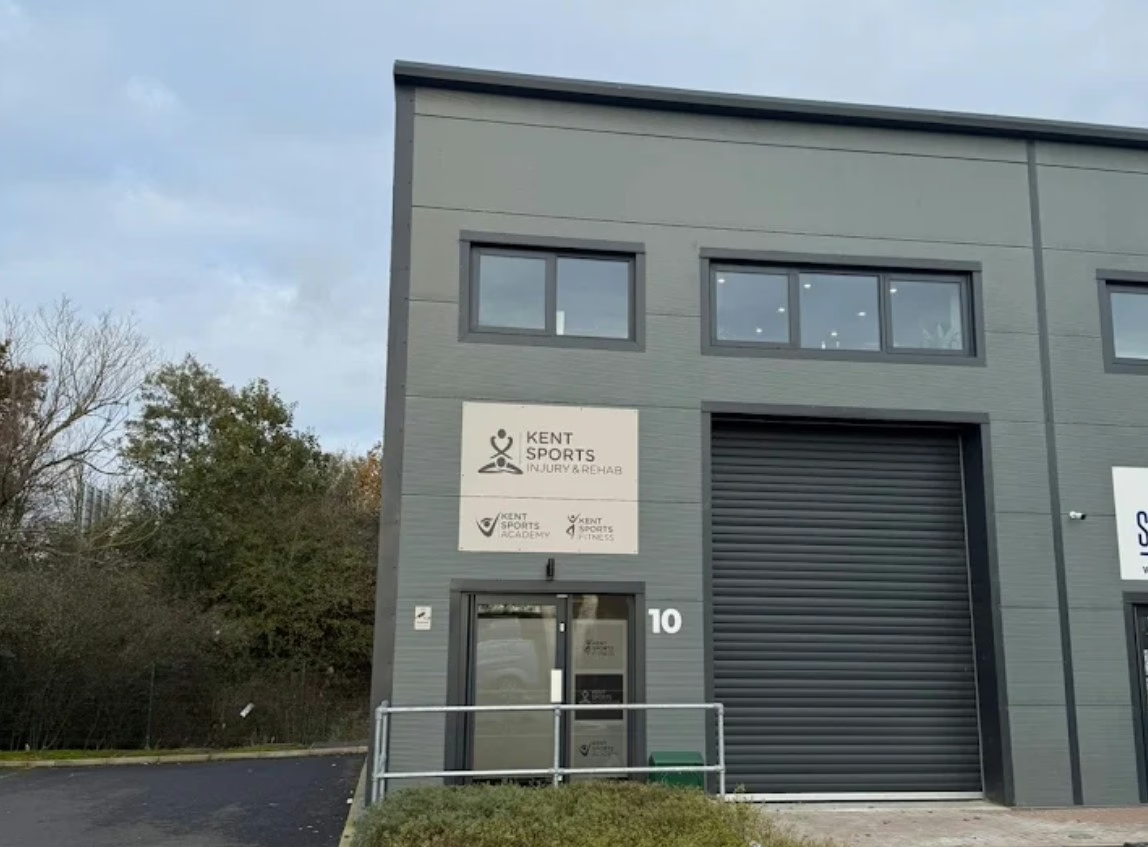
Ashford: Private Microsuction Ear Wax Removal in Ashford Tn24
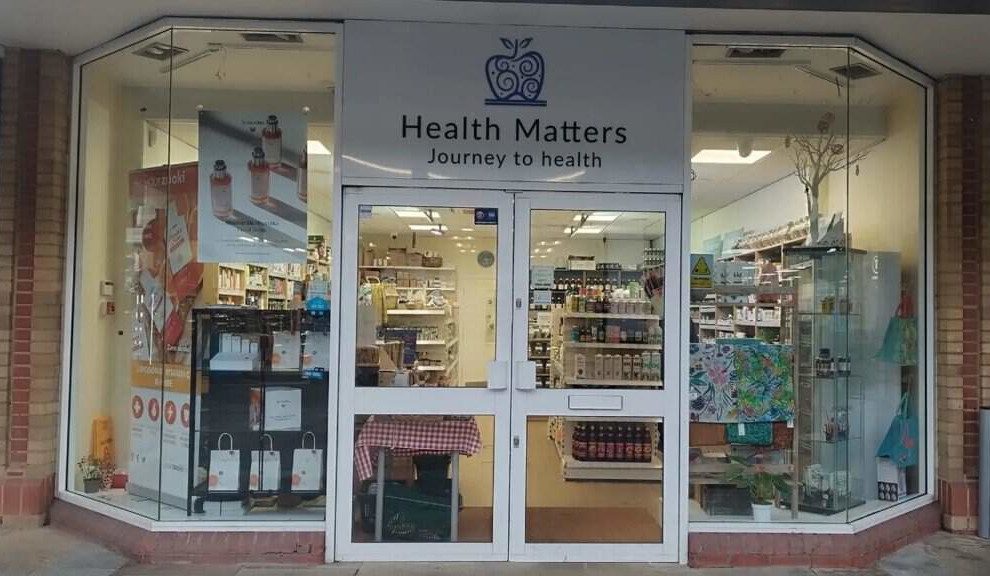
Barnet: Private Microsuction Ear Wax Removal in Barnet En5
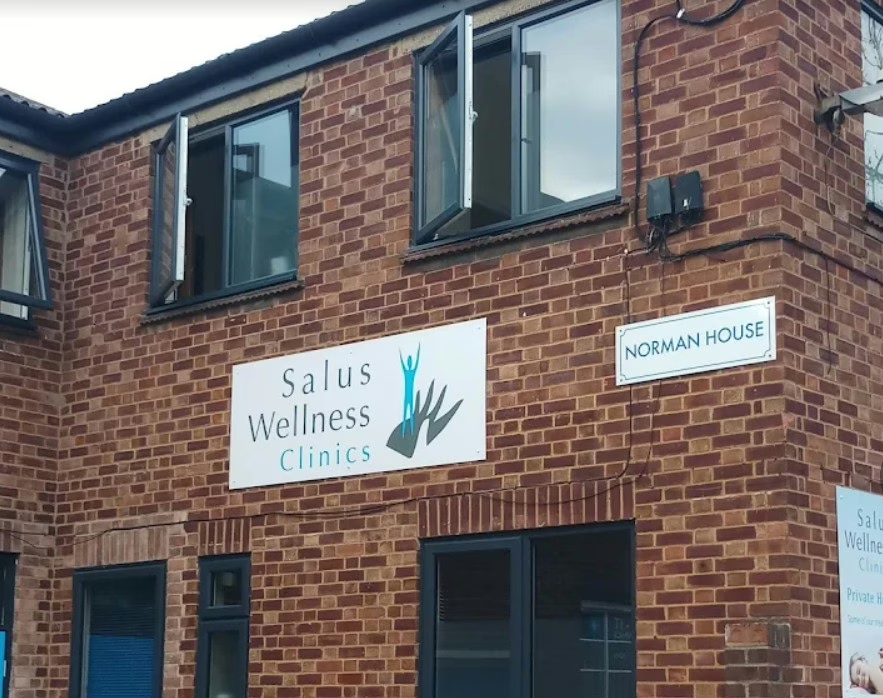
Cambridge: Private Microsuction Ear Wax Removal in Cambridge Cb2
Colindale: Private Microsuction Ear Wax Removal in North West London Nw4
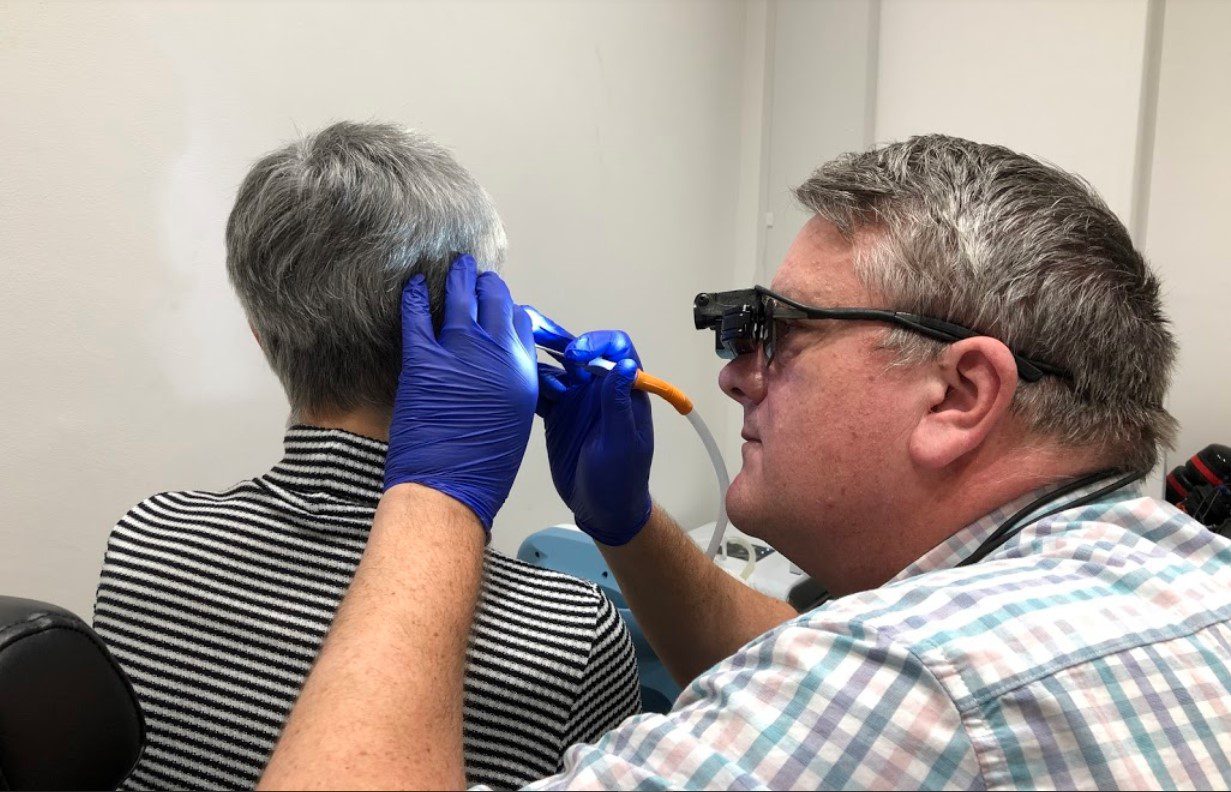
Ealing: Private Microsuction Ear Wax Removal in Ealing W5
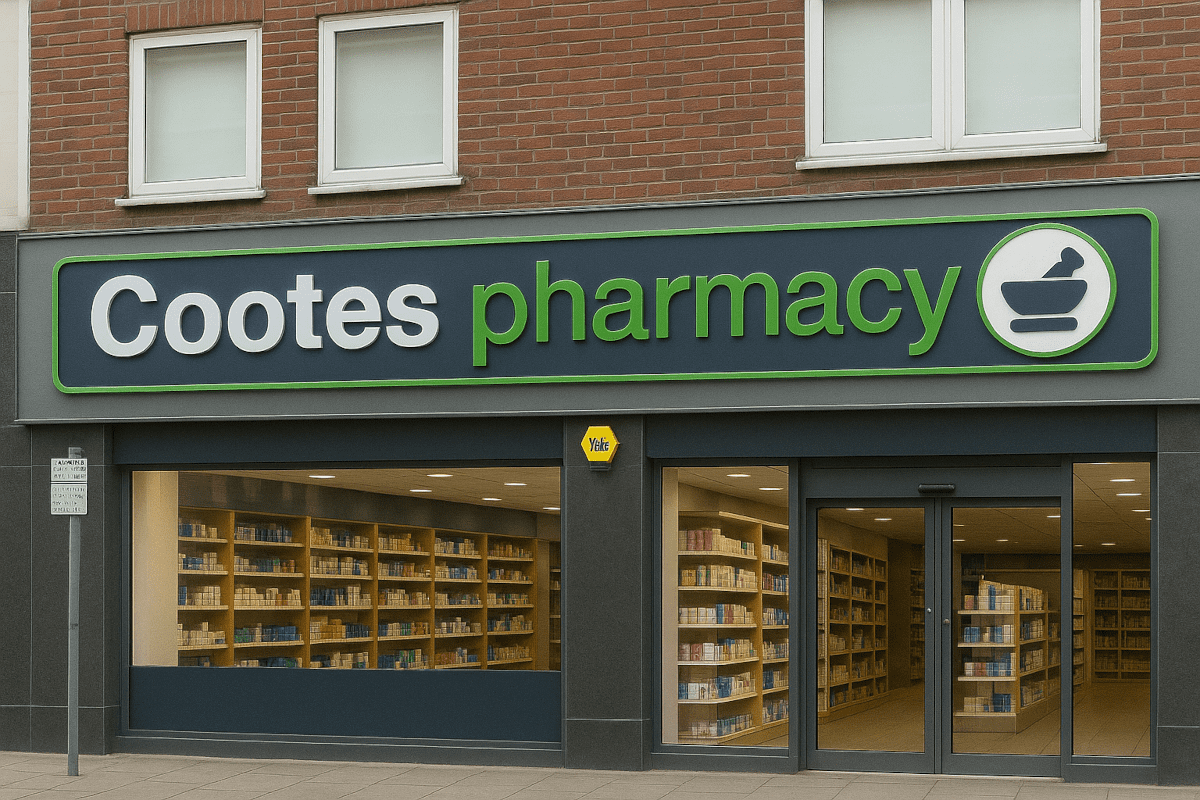
East Finchley: Private Microsuction Ear Wax Removal in East Finchley N2
Edgware: Private Microsuction Ear Wax Removal in North London Nw4
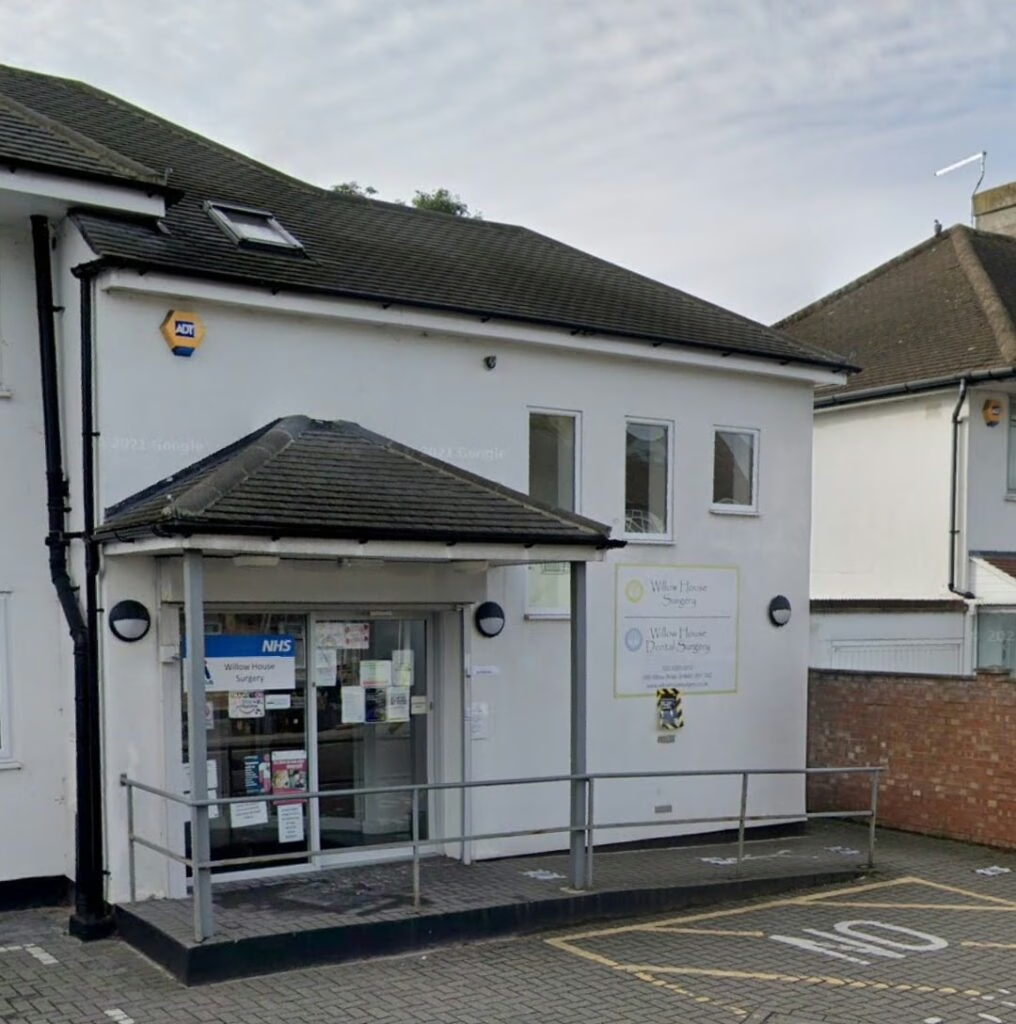
Enfield: Private Microsuction Ear Wax Removal in Enfield En1
Finchley: Private Microsuction Ear Wax Removal in Finchley North London
Hastings: Private Microsuction Ear Wax Removal in Hastings Tn34
Hendon: Private Microsuction Ear Wax Removal in North West London Nw4
Hythe: Private Microsuction Ear Wax Removal in Hythe Ct21
Kingston: Private Microsuction Ear Wax Removal in Kingston-Upon-Thames Kt6
Mill Hill: Private Microsuction Ear Wax Removal in North West London Nw4

Milton Keynes: Private Microsuction Ear Wax Removal Mk in Bucks Mk2
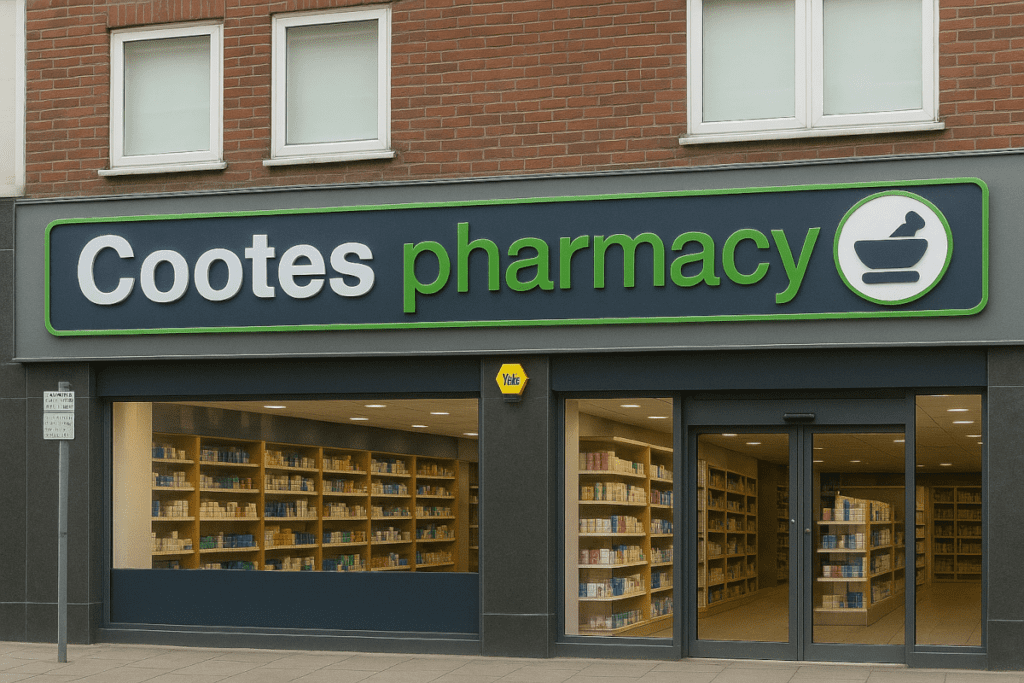
Muswell Hill: Private Microsuction Ear Wax Removal in Muswell Hill N2

Oxford: Private Microsuction Ear Wax Removal in Oxford Ox2
Reading: Private Microsuction Ear Wax Removal in Reading Rg30
Surbiton: Private Microsuction Ear Wax Removal in Surbiton Kt6
Find the Right Clinic for Your Location and Needs
The real value of a services list is that it matches the right clinic to the right user quickly. Someone in North London may want a nearby clinic with parking and ground floor access, while another person may prioritise a site near a station or a shopping centre. A good list supports both needs without forcing the reader to work too hard. It offers a clear route into local ear care, making it easier to compare options and choose a private microsuction provider that fits the journey, the building, and the appointment style.
What to Prioritise First
Begin with the clinic's area, then review access and transport, then read the treatment description. That order reflects how most people make healthcare choices in everyday life. It also fits answer-first content design, which is useful for voice search and AI summaries. The clearer the page, the easier it is for a user to trust it and act on it.
Final Practical Note
For a services list to work well, it must be honest, direct, and easy to use. Facts about location, access, and the service itself are the foundation. When those are presented clearly, patients can make a more confident choice about ear wax removal and related hearing care.