Categories
Health & Wellness Hearing Safety

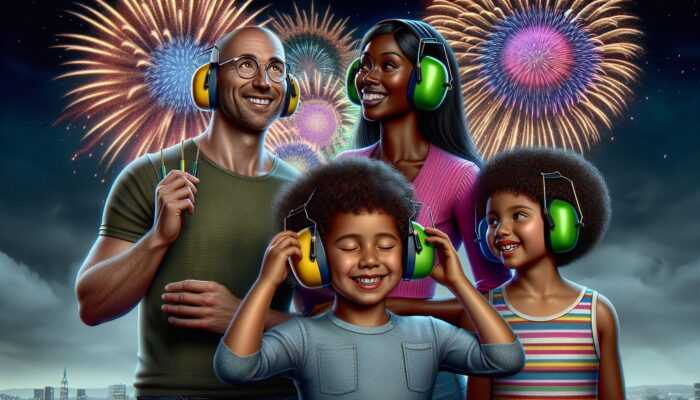
Ear Protection at Concerts: Essential for Universal Safety

Last Updated on 04/01/2026 by Admin

Understanding the Critical Need for Ear Protection

Exploring the Risks of Noise-Induced Hearing Loss

Exposure to loud music, particularly in concert settings, presents a serious threat to your hearing health, potentially resulting in permanent hearing damage. <a href="https://www.earwaxremoval.net/noise-induced-hearing-loss-your-essential-guide/">Noise-Induced Hearing Loss</a> (NIHL) is not limited to professionals in the music industry; it is a widespread issue that impacts concert attendees globally. Prioritizing early intervention and prevention is vital for safeguarding your auditory well-being, yet many individuals fail to recognize the importance of wearing ear protection. Signs of hearing loss can manifest as:

  • Difficulty in hearing conversations, particularly in loud environments
  • Experiencing ringing or buzzing sounds in the ears, known as tinnitus
  • A sensation of fullness or pressure in the ears
  • Challenges in detecting high-pitched sounds
  • Frequent misunderstandings during discussions
  • Increased sensitivity to certain noises
  • Struggling to enjoy music or sounds at regular volumes

Recognizing these symptoms is crucial, as they may signify the onset of NIHL. The auditory damage caused by exposure to loud music is cumulative, meaning that each concert attended without adequate ear protection leads to a gradual decline in hearing ability. Protecting your ears is essential, not only for enjoyment but for preserving your ability to appreciate music and sound.

How Do Ear Protection Devices Function?

Ear protection devices, including earplugs and earmuffs, play a fundamental role in reducing the sound intensity that reaches your ears. These devices are expertly designed to filter out harmful frequencies while still allowing you to enjoy the music to its fullest. There are various types of ear protection available, each tailored to meet different preferences and needs:

  • Disposable earplugs: Affordable and convenient for occasional use.
  • Custom-fitted earplugs: Molded to the unique shape of your ear, offering a snug fit and superior sound attenuation.
  • Musician’s earplugs: Crafted to maintain sound quality while lowering volume, ideal for concert enthusiasts.
  • Earmuffs: Larger devices that encompass the entire ear, providing significant noise reduction.
  • Electronic earplugs: Advanced options that adapt to the surrounding sound environment.

Each type of ear protection offers distinct advantages and is suited for various environments. For example, musician’s earplugs are perfect for those who wish to experience live music without compromising sound quality. Understanding how these devices function empowers concert-goers to make educated choices that greatly enhance their auditory safety.

Discovering the Benefits of Ear Protection Beyond Hearing Preservation

The advantages of utilizing ear protection at concerts go well beyond merely averting hearing loss. With the right ear protection, concert-goers can cultivate a deeper and more satisfying connection to the music. One key benefit is the reduction of fatigue; loud environments can be overwhelming and draining. By lowering sound intensity, ear protection helps sustain energy levels throughout the event.

In addition, ear protection can enhance sound clarity. It allows listeners to focus on the intricate details of the performance instead of being overwhelmed by harsh sounds. This improvement leads to a richer experience, revealing subtleties in live music that might otherwise go unnoticed. Furthermore, using ear protection supports overall health and wellness. The stress caused by loud noises can lead to anxiety and fatigue, both of which ear protection can help alleviate, transforming the concert experience into something both enjoyable and beneficial for your health.

Insights from Experts on the Importance of Ear Protection at Concerts

Recommendations from Audiologists

Audiologists stress the critical importance of using ear protection at concerts to prevent irreversible hearing damage. They often recommend specific products designed for the unique acoustic conditions of live performances. Common suggestions include custom-fitted earplugs and musician’s earplugs, which effectively balance sound quality with volume reduction.

For example, Dr. Jane Smith, a well-known audiologist, emphasizes that “investing in ear protection is as essential as purchasing a ticket to the concert.” She frequently advises her patients to prioritize comfort and fit when choosing ear protection, as poorly fitted devices may not offer sufficient protection. Additionally, audiologists recommend that concert-goers wear ear protection throughout the entire event, as even brief exposure to high decibel levels can be harmful. By equipping individuals with this knowledge, they can effectively safeguard their hearing while still enjoying their musical experiences.

Perspectives from the Music Industry on Ear Protection

Musicians and sound engineers are among the strongest advocates for ear protection, often sharing their personal experiences with hearing loss and the impact it has had on their careers. Many musicians, particularly those performing in large venues, routinely wear earplugs during their performances to protect their hearing. This practice has become an integral part of their preparation, highlighting the importance for concert-goers to adopt similar habits.

Sound engineers, who are regularly exposed to loud volumes, emphasize the necessity of education regarding ear protection. They encourage concert-goers to take proactive steps, such as bringing their own earplugs and being mindful of their proximity to speakers. By making ear protection a part of concert culture, both musicians and fans can foster a healthier auditory environment. This shared responsibility not only alters individual habits but also shifts the overall perspective on hearing health within the music industry.

Understanding the Long-Term Health Benefits of Ear Protection

The long-term health benefits of consistently using ear protection cannot be overstated. Regular exposure to loud music can lead to severe auditory issues, including tinnitus and permanent hearing loss. Tinnitus, characterized by a constant ringing in the ears, can significantly diminish one’s quality of life. By wearing ear protection at concerts, individuals can greatly reduce their risk of developing these conditions.

Experts suggest that those who prioritize ear protection are less likely to face auditory problems as they age. This proactive approach promotes a healthier lifestyle by encouraging safer listening practices both in and out of concert settings. Additionally, protecting one’s hearing fosters better communication and social interactions, thereby decreasing the likelihood of social withdrawal often linked to hearing difficulties.

Exploring the Psychological Impact of Noise-Induced Hearing Loss

The psychological consequences of noise-induced hearing loss stretch far beyond simple auditory impairment. Research shows that individuals experiencing hearing loss are at an elevated risk for anxiety and depression. The struggle to communicate effectively in social environments can lead to feelings of isolation and frustration. This burden underscores the importance of ear protection as a preventive measure.

Utilizing ear protection at concerts not only safeguards hearing but also enhances mental well-being by alleviating the stresses associated with loud environments. Employing coping strategies—such as using ear protection and seeking professional advice—can help mitigate the adverse effects of noise exposure on mental health. By prioritizing hearing health, concert-goers can relish musical experiences while simultaneously protecting their emotional and psychological wellness.

Guidelines for Selecting the Most Suitable Ear Protection

Exploring Different Types of Ear Protection Options

Choosing the right ear protection is critical to ensuring an enjoyable concert experience. The market provides a diverse range of options, each tailored to meet varying needs and preferences. Understanding the fundamental differences between these types can assist users in making informed choices.

Disposable earplugs are popular due to their affordability and convenience, making them ideal for occasional concert attendees. In contrast, custom-fitted earplugs are molded specifically to the contours of the wearer’s ear, offering superior comfort and fit for frequent concert-goers. Earmuffs provide substantial noise reduction and are often preferred by individuals attending particularly loud events. Lastly, electronic earplugs can dynamically adjust to varying sound levels, allowing users to experience the concert while still receiving protection.

Each type of ear protection possesses its own set of advantages depending on individual preferences and concert environments. Understanding these distinctions empowers attendees to choose ear protection that effectively balances safety, comfort, and sound quality.

Key Factors to Consider When Purchasing Ear Protection

When selecting ear protection, several factors should guide your decision to ensure optimal performance and comfort. First, examine the Noise Reduction Rating (NRR); a higher rating indicates superior sound attenuation. Comfort is equally important; ear protection must fit snugly without causing discomfort over extended periods.

Another critical consideration is reusability. While disposable earplugs are practical for one-time use, investing in reusable options can be more sustainable and economically wise. Additionally, consider the materials used; some users may have sensitivities to specific substances, making hypoallergenic options preferable.

Here’s a summary of essential buying considerations:

  • Noise Reduction Rating (NRR)
  • Fit and comfort
  • Reusability and sustainability
  • Material sensitivity

By carefully weighing these factors, concert-goers can select ear protection tailored to their specific needs, ensuring a safe and enjoyable experience.

Where to Find Quality Ear Protection

Finding high-quality ear protection is essential for effective hearing conservation during concerts. Numerous reputable sources offer a wide selection of options. Music stores frequently stock specialized ear protection designed specifically for concert attendees, allowing customers to try products before purchasing. Online retailers also provide an extensive array of choices, but it is crucial to buy from trusted sellers known for quality items.

Specialty shops that focus on hearing health can serve as excellent resources for customized solutions, particularly for custom-fitted earplugs. Furthermore, local audiologists may offer recommendations or even sell high-quality ear protection directly. Always review feedback and product ratings to assess the effectiveness of ear protection before finalizing your purchase.

Ultimately, ensuring that you are buying from a reliable seller helps guarantee that you receive a product capable of effectively protecting your hearing while you enjoy live performances.

Proper Fitting Techniques for Ear Protection

Achieving a proper fit is vital for maximizing the effectiveness of ear protection. For earplugs, the insertion technique is key. Begin by rolling the earplug into a small cylinder, gently pulling the outer ear up and back with the opposite hand to open the ear canal. Insert the earplug into the ear canal and hold it in place until it expands. It should fit snugly without causing discomfort.

For earmuffs, it is essential that they fully cover the ears and that the headband rests comfortably on your head without applying excessive pressure. Adjust the headband to ensure a secure fit, making sure the cushions create a good seal around the ears.

Taking the time to properly fit ear protection not only enhances comfort but also guarantees optimal noise reduction, making your concert experience both enjoyable and safe.

Essential Maintenance and Care for Ear Protection

To prolong the lifespan and effectiveness of ear protection, regular maintenance is crucial. Disposable earplugs should be discarded after single use, while reusable ear protection necessitates proper cleaning and storage. For earplugs, rinse them with mild soap and water after each use, allowing them to air dry completely before storing them in a clean, dry container.

Earmuffs should be cleaned with a damp cloth to remove dirt and debris. Regularly inspect the padding for wear or damage; replacing worn components is essential for maintaining their effectiveness. Proper storage in a cool, dry location also helps prevent damage.

Here’s a quick list of maintenance tips:

  • Rinse reusable earplugs with soap and water after each use
  • Store in a clean, dry container
  • Wipe earmuffs down with a damp cloth
  • Regularly check for wear and replace as needed

By adhering to these maintenance practices, users can ensure their ear protection remains effective concert after concert.

What Are the Dangers of Skipping Ear Protection?

Immediate Consequences of Loud Noise Exposure

Neglecting the need for ear protection in loud environments can lead to immediate consequences that are often alarming. Exposure to high volumes can cause temporary hearing loss, discomfort, or even pain. Individuals may experience symptoms such as muffled hearing, a ringing sensation in the ears, and increased sensitivity to noise.

These immediate reactions can interfere with the concert experience, making it challenging to fully immerse oneself in the music. Furthermore, the presence of tinnitus or a feeling of fullness in the ears indicates that the auditory system has experienced stress, potentially resulting in long-term damage if exposure persists without appropriate protection.

Recognizing these immediate symptoms is crucial; they serve as a warning signal to take necessary precautions to safeguard your hearing before permanent damage occurs.

Long-Term Implications of Neglecting Ear Protection

The long-term implications of disregarding ear protection are profound and potentially devastating. Continuous exposure to loud music can lead to irreversible auditory issues, including chronic tinnitus and significant hearing loss. These conditions develop gradually but can severely hinder one’s ability to communicate and engage socially.

The onset of hearing loss may initially go unnoticed, leading individuals to underestimate the severity of the issue until it becomes significant. Over time, the cumulative effects of noise exposure can impede daily activities, resulting in frustration and isolation.

Understanding how these challenges develop underscores the importance of protecting your hearing early on. Preventing hearing loss is far easier than trying to manage its effects once they have manifested.

Effect on Overall Quality of Life

Hearing loss and tinnitus can drastically alter an individual’s quality of life. The communication difficulties that arise from auditory impairment may lead to social withdrawal and frustration, significantly impacting relationships and interactions. Everyday tasks, such as conversing or enjoying entertainment, become daunting.

Additionally, the psychological effects of living with hearing loss can contribute to feelings of anxiety and depression. Individuals may feel embarrassed or self-conscious about their hearing difficulties, leading to a cycle of avoidance and isolation.

Safeguarding your ears from noise exposure can help prevent these challenges, enabling individuals to maintain a fulfilling social life while enjoying concerts and music. Prioritizing ear protection is not solely about preserving hearing; it also represents a commitment to a healthier, more connected lifestyle.

Research-Backed Insights on the Importance of Ear Protection at Concerts

Scientific Studies on the Efficacy of Hearing Protection

Numerous scientific studies have demonstrated the effectiveness of ear protection in minimizing the risk of hearing damage during concerts. Research consistently shows that individuals who utilize earplugs or earmuffs experience significantly less auditory damage compared to those who forgo any form of hearing protection.

For instance, a study revealed that concert-goers who wore earplugs experienced a 50% reduction in sound exposure compared to those who did not use them. This highlights the profound effects simple measures can have on preserving hearing. For optimal use, it is essential to select ear protection specifically designed for musical environments, ensuring that sound quality is not compromised while preventing hazardous exposure levels.

By following these actionable steps, concert-goers can maximize the benefits of using ear protection effectively, creating a safer concert environment for all attendees.

Analyzing Noise Levels at Concerts

Measurements of noise levels at concerts reveal alarming statistics that underscore the necessity of ear protection. Concert sound levels can frequently surpass 100 decibels, dangerously close to levels that can inflict immediate hearing damage within minutes. Data indicates that prolonged exposure to volumes exceeding 85 decibels heightens the risk of permanent hearing loss.

Interpreting noise level data emphasizes the urgent need for concert-goers to take protective measures. Understanding the potential risks associated with high decibel levels empowers individuals to prioritize their hearing health and choose appropriate ear protection.

This awareness can prompt changes in personal habits, encouraging attendees to invest in their long-term auditory well-being.

Psychological and Physiological Benefits of Ear Protection

The positive impact of using ear protection extends to both psychological and physiological dimensions. Research indicates that effective ear protection can alleviate stress levels associated with loud environments, resulting in a more enjoyable concert experience.

Physiologically, safeguarding one’s hearing contributes to improved overall auditory health. By reducing the risks of noise-induced issues, users maintain better communication skills and enhance their social interactions. The comprehensive benefits of ear protection create a ripple effect, positively influencing both mental and physical well-being.

By acknowledging the significance of ear protection, concert-goers can relish their experiences with greater peace of mind, knowing they are taking proactive steps to safeguard their hearing and overall health.

Strategies for Effectively Using Ear Protection at Concerts

Preparing for the Concert Experience

Preparation is essential for ensuring a successful concert experience, particularly regarding ear protection. Before attending the event, confirm that you possess the appropriate ear protection suited to the concert environment. Researching the performers and venues can help inform your choice of ear protection.

Familiarize yourself with the correct usage of your ear protection. Practice inserting earplugs if necessary, ensuring you know how to achieve a proper fit. Additionally, consider packing extra earplugs in case of loss or damage during the event. Adequate preparation not only enhances your enjoyment but also ensures your hearing is safeguarded against potential harm.

By investing time in preparation, concert-goers can immerse themselves in the music while prioritizing their auditory health.

Ensuring Correct Use of Ear Protection

Correct usage of ear protection is vital for achieving maximum effectiveness. For earplugs, ensure they are properly inserted into the ear canal, creating a tight seal to block out sound. Adhere to the manufacturer’s instructions for use, as each type of earplug may have unique guidelines for optimal performance.

For earmuffs, adjust the headband to rest comfortably on your head, ensuring the cushions form a tight seal around your ears. Periodically check throughout the concert to ensure that the fit remains secure, as movement can occasionally loosen the protection.

Proper usage enhances the effectiveness of ear protection, maximizing your ability to enjoy the concert while safeguarding your hearing.

Maintaining and Storing Your Ear Protection

Caring for your ear protection is crucial for ensuring its longevity and effectiveness. Regular cleaning of reusable earplugs is necessary; rinse them with mild soap and water after each use, allowing them to air dry before storage. Store earplugs in a clean, dry container to avoid contamination.

Earmuffs should also be cleaned regularly; wipe them down with a damp cloth and inspect the padding for wear. Proper storage is equally important; keep them in a case or bag away from direct sunlight or extreme temperatures. Implementing these maintenance steps will ensure that your ear protection remains effective for many concerts to come.

Here are some maintenance tips to consider:

  • Rinse and dry reusable earplugs after each use
  • Store in a clean, dry container
  • Wipe earmuffs with a damp cloth regularly
  • Check padding for wear and replace as needed

Choosing the Ideal Ear Protection for Concert Experiences

Selecting the right ear protection for concerts is vital for enjoying live music while preserving your hearing. Opt for earplugs specifically designed for musical environments, as they maintain sound quality while reducing harmful noise levels. Look for earplugs with an appropriate Noise Reduction Rating (NRR) that aligns with the concert setting.

Comfort is also critical when selecting ear protection, as you will be wearing them for an extended duration. Custom-fitted earplugs may be ideal for frequent concert attendees, providing a snug fit that enhances both comfort and noise attenuation.

By emphasizing the importance of appropriate ear protection, concert-goers can effectively strike a balance between preserving their hearing and enjoying high-quality sound.

Confronting Social Stigma and Peer Pressure Regarding Ear Protection

Overcoming the social stigma associated with wearing ear protection at concerts can be challenging, especially for younger attendees who might worry about appearing uncool. However, education serves as a powerful tool; discussing the importance of hearing conservation with friends can help alter perceptions and encourage healthier behaviors.

Confidence in your health choices can positively influence those around you. Sharing personal stories, such as the joy of concerts without the anxiety of hearing damage, can help normalize the practice of wearing ear protection. By standing firm in your commitment to hearing health, you not only protect yourself but can also inspire a cultural shift toward greater awareness of hearing safety at concerts.

Advancing Awareness of Ear Protection

Educating Concert Attendees on Ear Protection

Raising awareness about the critical importance of ear protection can significantly influence behaviors at concerts. Education is pivotal in altering perceptions, especially among younger audiences who may not fully grasp the risks linked to loud music. Initiatives like workshops, informational pamphlets, and social media campaigns can effectively communicate the necessity of hearing protection.

Engaging with local music communities and organizations can also enhance outreach efforts. Partnering with venues to distribute educational materials at concerts or making announcements about ear protection can further elevate awareness. By fostering a culture of understanding and appreciation for hearing health, concert-goers will be more inclined to adopt protective measures.

Collaborating with Event Organizers for Ear Protection Initiatives

Collaboration with event organizers is crucial for embedding ear protection into concert culture. By working together, stakeholders can significantly impact the promotion of hearing safety. Event organizers can incorporate ear protection messaging in promotional materials, encourage vendors to sell earplugs, and even create designated areas for quieter listening.

Moreover, providing free or discounted ear protection at concerts can motivate more attendees to prioritize their hearing health. Events that emphasize ear safety are likely to see a shift in attendee behavior, cultivating an atmosphere where ear protection becomes the norm rather than an exception.

Community and Advocacy Efforts for Promoting Ear Protection

Advocacy groups and community initiatives play a critical role in driving change and promoting ear protection awareness. By mobilizing efforts and resources, these organizations can raise awareness and encourage the broader adoption of hearing protection practices. Successful strategies could involve organizing community events focused on hearing health and collaborating with healthcare providers to offer complimentary hearing screenings at concerts.

Engaging musicians and influential figures within the industry to champion ear protection can also amplify the message. Collective action and grassroots initiatives are essential for shifting perceptions and behaviors, leading to a culture that respects and prioritizes hearing health in concert settings.

Frequently Asked Questions

What is the significance of ear protection at concerts?

Ear protection is vital at concerts to prevent noise-induced hearing loss and maintain auditory health. Prolonged exposure to loud music can result in irreversible damage, making ear protection essential for enjoying music safely.

What types of ear protection are most effective for concerts?

The most effective types of ear protection for concerts include musician’s earplugs, custom-fitted earplugs, and earmuffs designed for sound attenuation. These options provide varying degrees of noise reduction while preserving sound quality.

How can I identify signs of hearing loss?

Signs of hearing loss may encompass difficulty understanding conversations, ringing in the ears, heightened sensitivity to sounds, and a sensation of fullness in the ears. Early recognition of these symptoms can help mitigate further damage.

What factors should I consider when selecting ear protection?

When choosing ear protection, consider aspects such as fit, comfort, Noise Reduction Rating (NRR), and material. Selecting options that align with your specific concert environment and personal preferences is vital.

Are disposable earplugs effective for hearing protection?

Disposable earplugs can be effective for one-time use; however, frequent concert-goers may find that reusable options or custom-fitted earplugs provide greater comfort and noise attenuation.

Can I still enjoy the music while using ear protection?

Absolutely! Utilizing ear protection designed for music, such as musician’s earplugs, allows you to appreciate the nuances of sound while reducing harmful noise levels, thereby enhancing your overall concert experience.

What should I do if I experience ringing in my ears after a concert?

Experiencing ringing in your ears post-concert, known as tinnitus, indicates noise exposure. It is advisable to consult a healthcare professional if the ringing persists or worsens, as this could signal potential hearing damage.

How can I educate others on the importance of ear protection?

You can educate others by sharing your experiences with ear protection, distributing informational resources, and fostering discussions about hearing health within your community and social circles.

Is ear protection necessary only at concerts?

No, ear protection is essential in various loud environments, including sports events, festivals, and even daily activities where noise levels are high. Prioritizing hearing protection is crucial for overall auditory health.

Where can I find quality ear protection products?

Quality ear protection can be found at music stores, specialty shops, and online retailers. Look for reputable brands and read reviews to ensure you are purchasing effective products.

Explore our world on X!

The post Ear Protection at Concerts: Essential for Universal Safety appeared first on The Microsuction Ear Wax Removal Network.

The post Ear Protection at Concerts: Essential for Universal Safety appeared first on Healthcare Marketing Service.

Categories
Health & Wellness Hearing Safety

Hearing Protection: Essential Safety for Hunters

Essential Reasons to Prioritize Hearing Protection While Hunting

What Is the Mechanism Behind Hearing Protection Devices?

A hunter in a forest using advanced hearing protection devices, focusing on a target with reduced sound waves around the ear.

Hearing protection devices are indispensable for any hunter aiming to safeguard their auditory health. These devices work by significantly lowering the intensity of loud noises—most notably gunfire and other abrupt sounds—that can harm the ear, thus effectively preventing potential hearing damage. The hunting environment can drastically shift, with sudden loud noises presenting a notable risk to hearing health. By consistently utilizing hearing protection, hunters can proficiently mitigate these risks, ensuring they enjoy their time in the field without compromising their hearing.

Hunters typically utilize several types of hearing protection, including:

These devices differ in design, noise-reduction capabilities, and comfort levels, enabling hunters to select the ideal option tailored to their specific needs and hunting scenarios.

What Advantages Does Hearing Protection Offer to Hunters?

The consistent use of hearing protection during hunting activities provides essential long-term benefits that contribute to both mental and physical well-being. Primarily, regular usage can prevent irreversible hearing loss, a critical concern often overlooked by hunters, especially given the advancements in firearm technology. Furthermore, utilizing hearing protection enhances the overall hunting experience by allowing hunters to concentrate on their surroundings without being distracted or uncomfortable due to loud noises.

Key advantages of incorporating hearing protection into hunting practices include:

  • Prevention of irreversible hearing loss
  • Reduction of tinnitus symptoms
  • Improved focus on vital sounds, such as wildlife
  • Enhanced communication with fellow hunters
  • Increased comfort during lengthy hunting trips
  • Better overall safety in the hunting environment

By integrating hearing protection into their hunting routines, hunters promote a culture of safety and well-being, enabling them to pursue their passion without compromising their auditory health.

How Does Noise Exposure Affect Hunters’ Hearing Health?

The effects of noise exposure on hunters cannot be underestimated. Prolonged exposure to loud sounds, particularly gunfire, can lead to immediate auditory damage, resulting in both temporary and permanent hearing challenges. Cumulative exposure over time can intensify these effects, posing a significant risk to hunters’ hearing. Understanding the ways in which noise impacts hearing health is crucial for all hunters who aspire to maintain their auditory functions for years to come.

Hunters frequently find themselves in high-noise environments, where the potential for hearing damage is heightened. Whether navigating through dense forests or expansive fields, the sharp sounds of gunfire can be jarring, leading to immediate discomfort and potential long-term consequences. Recognizing this impact underscores the necessity for proper hearing protection to combat both immediate and cumulative effects of noise exposure.

Expert Opinions on the Vital Role of Hearing Protection for Hunters

Hunter in forest wearing stylish hearing protection, highlighting safety and auditory health.

What Are the Long-Term Consequences of Noise Exposure for Hunters?

Extended exposure to loud noises can result in severe long-term effects for hunters, including permanent hearing loss, tinnitus, and a range of other auditory complications. Hunters who frequently engage in shooting activities without adequate hearing protection face a significantly higher risk of developing these conditions. Anecdotal evidence from seasoned veterans in the hunting community indicates that many experienced hunters have encountered considerable hearing impairments due to years of neglecting this critical aspect of hunting safety.

For example, consider a veteran hunter who has spent decades hunting across diverse terrains—from rugged mountains to dense forests—without proper hearing protection. Over the years, this individual began to suffer from persistent ringing in the ears and difficulty hearing high-frequency sounds. Such cases highlight the necessity of proactively protecting one’s hearing, rather than adopting a reactive approach after damage occurs.

How Can Hunters Effectively Evaluate Their Hearing Health?

Evaluating hearing health is vital for hunters aiming to remain active in the field for many years. Regular audiometric tests can provide essential insights into one’s hearing capabilities. These assessments measure the ability to hear various frequencies and volumes, allowing hunters to accurately gauge their hearing health.

Hunters can take proactive measures to monitor their hearing, including:

  • Scheduling annual hearing assessments with an audiologist
  • Maintaining a log of any changes in hearing abilities
  • Being attentive to any signs of hearing loss or discomfort
  • Noticing difficulties in understanding conversations in noisy settings
  • Utilizing smartphone applications designed to monitor hearing health

By proactively assessing their hearing, hunters can identify issues early and make informed decisions regarding their hearing protection requirements.

What Recommendations Do Experts Provide for Hearing Protection in Hunting?

A hunter in a forest wearing advanced, adjustable noise-reduction ear protection for safety and comfort.

Experts unanimously recommend the consistent use of high-quality hearing protection devices among hunters. The diverse environments hunters encounter necessitate adaptable solutions, and professionals suggest evaluating individual needs to select the most appropriate options. Best practices for hearing protection in the hunting domain include regularly replacing outdated devices and ensuring proper fit and comfort.

Moreover, expert recommendations indicate that hunters should consider products specifically designed for their activities. Devices featuring adjustable noise reduction, comfortable fit designs, and advanced technology for sound amplification can significantly enhance safety while improving the overall hunting experience.

How Do Different Hunting Environments Influence Hearing Protection Needs?

Various hunting environments can considerably impact noise levels and the overall risk of hearing damage. For instance, hunters in dense, wooded areas may encounter echoes and reverberations that amplify sounds, while those in open fields may face direct and loud gunfire with minimal ambient noise. Numerous factors, including terrain and weather conditions, also play a role in the effectiveness of hearing protection.

Hunters should tailor their hearing protection strategies based on their surroundings. In wetlands, where sounds can travel significant distances, the risk of noise exposure escalates, highlighting the need for more robust hearing protection. Similarly, during windy conditions, hunters may struggle to hear critical auditory cues, necessitating heightened situational awareness and appropriate hearing devices.

What Are the Recent Innovations in Hearing Protection Technology for Hunters?

The hunting industry is experiencing exciting advancements in hearing protection technology, which are specifically designed to cater to the needs of contemporary hunters. New developments aim to enhance safety and comfort, making these technologies more appealing for regular use. Recent innovations include hearing protection devices equipped with smart technology that adapts to the surrounding environment, enabling hunters to hear important signals while simultaneously blocking harmful sounds.

Additionally, many new products incorporate integrated communication systems that allow hunters to maintain contact without removing their hearing protection. These advancements not only bolster safety but also enrich the overall hunting experience, enabling hunters to remain aware of their surroundings while effectively protecting their hearing.

Exploring Various Types of Hearing Protection Devices

What Role Do Earplugs Play in Hunting Hearing Protection?

Earplugs are a vital component of hearing protection for hunters due to their compact, lightweight design and effectiveness in reducing noise levels. They are especially favored among hunters for their portability and affordability, making them a practical choice for many. Foam earplugs, in particular, conform to the ear canal, offering excellent noise reduction while being easy to carry in a pocket or hunting pack.

Custom-molded earplugs represent another excellent option for hunters frequently exposed to loud environments. These earplugs are specifically crafted to fit the unique shape of an individual’s ear, providing superior comfort and a more reliable noise reduction seal. Many hunters value the convenience and effectiveness of earplugs, particularly during long days spent in the field.

Why Are Earmuffs a Popular Choice for Hearing Protection Among Hunters?

Earmuffs deliver a comprehensive solution for hearing protection, making them a preferred option among hunters, particularly in colder climates. Their design encompasses the entire ear, providing significant noise reduction while also offering insulation from cold weather. Many earmuffs are adjustable, allowing for a customized fit that enhances comfort during extended use.

A variety of models are available, ranging from basic passive earmuffs to advanced electronic variations that include features such as sound amplification. Hunters can select earmuffs based on their specific needs, ensuring they have the necessary protection for varying sound levels while remaining comfortable throughout their hunting adventures.

What Are the Benefits of Electronic Hearing Protection Devices?

Electronic hearing protection devices represent the forefront of innovation in hunting safety. These advanced devices are engineered to amplify softer sounds—such as rustling leaves or distant animal calls—while concurrently reducing the volume of loud noises, like gunfire. This dual-action functionality allows hunters to remain cognizant of their surroundings without compromising their hearing.

Hunters can greatly benefit from using electronic earmuffs or earplugs in situations where communication with fellow hunters is essential. Numerous models come equipped with communication systems that facilitate conversations without the necessity of removing protective gear. This technology not only enhances safety but also contributes to a more enjoyable hunting experience.

Choosing the Most Suitable Hearing Protection

What Key Factors Should Hunters Evaluate When Selecting Hearing Protection?

Choosing the right hearing protection is paramount for maximizing safety and comfort during hunting excursions. Hunters should consider several essential factors when selecting their devices. Primarily, the noise reduction rating (NRR) is crucial; a higher NRR indicates greater protection from loud sounds. Additionally, comfort and fit are significant aspects to consider.

Compatibility with other hunting gear also plays a vital role. Hunters often wear hats, glasses, and other equipment that might interfere with their hearing protection. Evaluating how hearing devices integrate with these accessories ensures that safety is not compromised for the sake of convenience. By considering these factors, hunters can make informed decisions regarding their hearing protection choices.

Why Is the Noise Reduction Rating (NRR) Crucial for Hunters?

The noise reduction rating (NRR) is a vital measurement that indicates how effectively a device can block sound. The higher the NRR, the greater the protection. For hunters, understanding this rating is essential. Selecting devices with an adequate NRR ensures sufficient protection from the sudden loud noises often encountered in hunting environments.

Hunters should aim for hearing protection that offers a suitable NRR based on their specific hunting conditions and firearm usage. Opting for devices that provide reliable noise reduction not only safeguards hearing health but also enhances the overall hunting experience by allowing hunters to maintain focus and engagement.

How Can Comfort Be Customized in Hearing Protection Devices?

Comfort is paramount concerning hearing protection. Custom-fit hearing protection devices can significantly enhance both comfort and effectiveness, encouraging hunters to wear them consistently. These devices are molded to the unique shape of an individual’s ear, providing an optimal fit that minimizes discomfort and allows hunters to concentrate on their surroundings rather than their gear.

Investing in custom hearing protection not only improves comfort but also enhances safety, ensuring that the devices function correctly. This investment is especially beneficial for hunters who spend extended periods in the field, as comfortable protection promotes habitual use, ultimately preserving hearing health.

Assessing Compatibility with Other Hunting Equipment

Ensuring that hearing protection is compatible with other hunting gear is a fundamental aspect of safety and convenience during hunting trips. Numerous hunters wear hats, glasses, and headsets, which can interfere with the fit and effectiveness of hearing protection devices. Evaluating how these components interact can help hunters maintain both comfort and safety.

When selecting hearing protection, hunters should assess the overall design to ensure that it works harmoniously with their existing gear. For instance, earmuffs should not hinder the fit of a hunting hat, nor should earplugs compromise the seal of shooting glasses. By prioritizing compatibility, hunters can enhance their overall experience and ensure that their hearing protection remains effective.

Strategies for Maintaining and Caring for Hearing Protection

How Should Hunters Clean and Store Their Hearing Protection?

Proper maintenance of hearing protection devices is crucial for maximizing their lifespan and effectiveness. Regular cleaning and appropriate storage should be integral to every hunter’s routine. Depending on the type of device, cleaning methods may vary. However, most require gentle cleaning using warm, soapy water and a soft cloth to maintain their integrity.

Moreover, storing hearing protection in a dry, cool place away from direct sunlight is essential for preserving their functionality. Adhering to the manufacturer’s guidelines for maintenance guarantees that devices retain their protective qualities, ensuring they remain safe for use during hunting excursions.

When Is It Necessary to Replace Hearing Protection Devices?

Hearing protection should be replaced promptly when signs of wear or damage become apparent. Regular checks are essential to ensure that devices remain effective. Worn-out or damaged hearing protection can significantly reduce their noise reduction capabilities, leading to potential hearing risks for hunters.

Typically, foam earplugs should be discarded after a limited number of uses, whereas earmuffs may have a longer lifespan but should still be inspected regularly for signs of wear. By adhering to a replacement schedule, hunters can uphold their hearing safety and effectively protect their auditory health.

What Indicators Suggest Hearing Protection Devices Are Worn Out?

Recognizing the signs of worn-out hearing protection is crucial for maintaining auditory safety. Common indicators include visible cracks, tears, or any noticeable decline in noise reduction capabilities. If hearing protection feels loose or uncomfortable, it may no longer provide adequate safety.

Hunters should routinely inspect their devices, ensuring they remain in good condition. Failing to replace worn-out hearing protection can expose hunters to unnecessary risks and jeopardize their hearing health during hunting activities.

How Can Hunters Effectively Inspect Their Hearing Protection for Damage?

Conducting regular inspections of hearing protection for damage is essential to ensure they remain effective and safe for use. Hunters should check for any obvious signs of wear, such as cracks or tears in the material, and be attentive to changes in noise reduction effectiveness.

Performing these inspections routinely allows hunters to address potential issues before heading into the field, thereby maintaining optimal hearing protection standards. By prioritizing regular checks, hunters can ensure their devices perform effectively when needed most.

What Is the Proper Way to Dispose of Old Hearing Protection?

Disposing of worn-out or damaged hearing protection in accordance with local regulations is vital to prevent environmental harm and ensure safety. Many hearing protection devices, particularly those made from foam or plastic, necessitate specific disposal methods to mitigate their ecological impact.

Hunters should research disposal guidelines in their area to ensure responsible handling of used devices. By following these regulations, hunters contribute to environmental sustainability while also upholding safety and health standards in their hunting practices.

Effective Strategies for Emphasizing the Importance of Hearing Protection in Hunting

How Can Hunters Integrate Hearing Protection into Their Regular Routines?

Incorporating hearing protection into daily hunting routines is essential for ensuring consistent use and preserving auditory health. One effective strategy is to make hearing protection a critical component of every hunting trip, akin to bringing firearms or other essential gear.

Hunters can take actionable steps to establish hearing protection as a habit, such as designating a specific location in their gear for their devices, conducting pre-hunt checklists that include hearing protection, and encouraging fellow hunters to adopt similar practices. By embedding hearing protection into their routines, hunters are more likely to prioritize their auditory safety.

What Best Practices Should Be Followed When Using Hearing Protection?

Adhering to best practices for using hearing protection can greatly enhance its effectiveness for hunters. First and foremost, it is vital to wear protection during all hunting activities, not solely during firearm discharge. Sounds from wildlife, movement, and environmental cues can all contribute to hearing strain.

Ensuring a proper fit is equally crucial; devices should snugly fit and create a seal to guarantee optimal noise reduction. Hunters should familiarize themselves with their specific protection, understanding how to adjust it for comfort without compromising safety. By following these best practices, hunters can maximize the effectiveness of their protective gear.

How Can Hunters Advocate for Hearing Protection Among Peers?

Educating others about the importance of hearing protection is vital for cultivating a culture of safety within the hunting community. Hunters can share their personal experiences and insights with both newcomers and peers to promote hearing safety.

Practical examples of successful education efforts include hosting workshops that demonstrate proper hearing protection usage, sharing informative articles or resources on social media, and engaging in discussions during hunting events. By leading by example and advocating for hearing safety, hunters can contribute to a broader awareness of auditory health issues within the hunting community.

Legal and Ethical Responsibilities Regarding Hearing Protection

What Are the Legal Mandates Surrounding Hearing Protection in Hunting?

In various regions, regulations exist that mandate the use of hearing protection during hunting activities. Understanding these laws is crucial for ensuring compliance and safety. Regulations may differ significantly based on location and type of hunting, making it imperative for hunters to familiarize themselves with local laws regarding hearing protection.

Hunters should research the legal requirements in their areas to ensure compliance and avoid potential penalties while safeguarding their hearing. Awareness of these regulations not only promotes individual safety but also elevates community standards for safety within the hunting community.

What Ethical Responsibilities Do Hunters Have Regarding Hearing Protection?

Utilizing hearing protection while hunting is not merely a personal choice; it embodies an ethical responsibility to safeguard one’s health and safety. By taking charge of their auditory health, hunters demonstrate a commitment to self-care and the well-being of others in their hunting community.

Moreover, fostering a culture of safety through the consistent use of hearing protection sets a positive example for newcomers and encourages a community-wide commitment to hearing health. This ethical perspective enhances overall hunting safety, ultimately nurturing a more responsible community of outdoor enthusiasts.

How Can Hunters Promote Hearing Safety Within Their Community?

Hunters play a crucial role in advocating for hearing safety within their community. Here are several effective methods to promote hearing safety:

  • Initiating discussions about hearing protection at hunting clubs
  • Sharing personal experiences and insights on social media
  • Providing resources and educational materials to fellow hunters
  • Encouraging friends and family to adopt hearing protection practices
  • Organizing community events centered on hearing safety
  • Leading by example by consistently wearing hearing protection
  • Collaborating with local organizations to raise awareness

By engaging in these activities, hunters can cultivate a culture that values hearing safety and promotes responsible hunting practices.

What Are the Potential Consequences of Ignoring Hearing Protection Laws?

Neglecting to comply with hearing protection regulations can lead to various repercussions, including fines, legal action, and an increased risk of hearing damage. Non-compliance not only jeopardizes personal safety but may also compromise the safety of fellow hunters nearby.

Understanding the potential implications of disregarding hearing protection laws is essential for everyone within the hunting community. By prioritizing adherence to these regulations, hunters can ensure their safety while fostering a culture of responsibility and respect for auditory health.

How Can New Hunters Be Educated About Hearing Protection?

It is crucial to inform new hunters about the significance of hearing protection from the outset of their hunting journey. Instilling a culture of safety in newcomers ensures they comprehend the associated risks and the measures they can adopt to mitigate them.

Practical strategies for teaching beginners about hearing protection may include offering introductory workshops that cover its importance, demonstrating the proper use of various devices, and sharing personal stories that underscore the relevance of hearing safety. By equipping new hunters with this knowledge, the hunting community can collectively enhance safety standards and prioritize auditory health.

Envisioning the Future of Hearing Protection in Hunting

What Innovations Are Emerging in Hearing Protection Technology?

The future of hearing protection technology is filled with exciting possibilities for hunters. Recent advancements are making devices more comfortable and effective, often integrating state-of-the-art materials and technologies to address the unique needs of hunters. Innovations such as noise-canceling features, Bluetooth capabilities, and customizable sound profiles are transforming the approach to hearing safety.

As these technologies continue to advance, hunters can anticipate more innovative solutions that offer tailored protection, fostering a more enjoyable and safer hunting experience. Such innovations not only enhance comfort but also help ensure hunters remain engaged with their environment while adequately protecting their hearing.

How Will Future Technologies Influence Hunting Practices?

Future technologies are poised to significantly impact hunting practices by improving sound management and integrating hearing protection with other hunting gear. Devices that provide better communication, situational awareness, and sound amplification will revolutionize how hunters experience nature while maintaining safety.

Additionally, advancements in artificial intelligence and smart technology could lead to devices that intelligently adjust noise reduction levels based on the surrounding environment. This adaptability would enrich hunters’ experiences, allowing them to stay connected with their surroundings while simultaneously safeguarding their hearing.

What Role Will Education Play in Advancing Hearing Protection Awareness?

Education will continue to be a cornerstone of promoting the use of hearing protection in the future. As technology evolves, ensuring that hunters are aware of the latest advancements and best practices will be vital for maximizing safety. Educational initiatives that emphasize the importance of hearing protection will remain significant in cultivating a culture that prioritizes auditory health.

Efforts to raise awareness and disseminate knowledge about hearing protection will be essential in ensuring that hunters remain informed and responsible in their practices. By emphasizing the importance of education within the hunting community, ongoing dialogue surrounding hearing safety can continue effectively, leading to improved standards for future generations.

Frequently Asked Questions About Hearing Protection

Why Is Hearing Protection Essential for Hunters?

Hearing protection is vital for hunters to prevent long-term hearing loss and maintain overall auditory health during activities that involve exposure to loud noises, such as gunfire.

What Are the Common Types of Hearing Protection Available for Hunters?

Common types of hearing protection for hunters include foam earplugs, custom-molded earplugs, passive earmuffs, electronic earmuffs, and noise-canceling headphones.

How Frequently Should Hunters Replace Their Hearing Protection Devices?

Hunters should replace their hearing protection devices when they exhibit signs of wear or damage, such as cracks or reduced noise reduction effectiveness.

What Are the Indicators That Hearing Protection Is No Longer Effective?

Signs of worn-out hearing protection include visible cracks or tears in the material, discomfort during use, and diminished noise reduction capabilities.

Can Hunters Evaluate Their Hearing Health?

Yes, hunters can assess their hearing health through regular audiometric tests with an audiologist to track any changes in hearing capabilities.

What Innovations Are Being Developed in Hearing Protection Technology?

Recent advancements in hearing protection technology encompass noise-canceling features, Bluetooth connectivity, and devices that adapt to the hunting environment for enhanced sound management.

How Can Hunters Educate Others on the Importance of Hearing Protection?

Hunters can educate others by sharing personal experiences, hosting workshops, and providing resources and information on the significance of hearing protection within the hunting community.

What Legal Obligations Exist Regarding Hearing Protection During Hunting?

Legal requirements for hearing protection during hunting can vary by region, with some areas mandating its use. Hunters should be informed about local laws to ensure compliance.

What Are the Long-Term Implications of Noise Exposure for Hunters?

Long-term exposure to loud noises can lead to permanent hearing loss, tinnitus, and other auditory issues, underscoring the need for consistent hearing protection.

What Should Hunters Consider When Selecting Hearing Protection Devices?

Hunters should evaluate factors such as noise reduction rating, comfort, compatibility with other gear, and the specific hunting environment when choosing hearing protection.

Explore our journey on X!

The post Hearing Protection: Essential Safety for Hunters appeared first on The Microsuction Ear Wax Removal Network.

Categories
Health & Wellness Hearing Safety

Safe Listening Tips to Avoid Ear Damage From Headphones

Identifying the Dangers of Headphone Usage

Listening to music, podcasts, or audiobooks through headphones is a daily ritual for billions of individuals around the globe. However, many users are unaware of the significant risks that accompany this enjoyable habit. The risks associated with headphone usage encompass a variety of potential hearing impairments that can develop gradually and silently over time. These range from temporary <a href="https://www.earwaxremoval.net/daily-habits-for-preventing-tinnitus-key-tips-to-follow/">tinnitus</a> to more severe and irreversible hearing loss. Acknowledging and understanding these risks is the foundational step toward preventing ear damage from headphones and preserving your auditory health for the long term.

Exploring Different Types of Hearing Damage

Cross-section of ear showing damaged and normal cochlear hair cells, with loud headphones, illustrating noise-induced hearing loss.

Excessive exposure to loud sounds through headphones can result in several types of hearing loss. One common form is the temporary threshold shift, where the ears feel muffled after extended exposure to high volumes, indicating the onset of possible damage. If this pattern persists, it may escalate to a permanent threshold shift, leading to irreversible hearing impairment. Research has shown that the auditory system is susceptible to noise-induced hearing loss (NIHL), which involves damage to the delicate hair cells located within the cochlea. These tiny yet crucial cells are responsible for transforming sound waves into electrical signals that the brain interprets. Over time, consistent exposure to loud music can deactivate these cells, causing permanent auditory damage. Gaining insight into these various types of hearing impairment is essential for individuals who frequently use headphones, as early intervention can significantly mitigate further harm.

Understanding the Effects of Volume Levels on Hearing Health

The volume at which you listen to audio content plays a pivotal role in your overall hearing health. The World Health Organization (WHO) strongly advises keeping volume levels below 85 decibels (dB) to help minimize the risk of hearing loss. Listening at volumes exceeding this threshold can jeopardize your auditory system. Many individuals fall into the habit of increasing their volume to overpower background noise, particularly in bustling urban settings or crowded public transport. This tendency can significantly increase the likelihood of hearing damage. It’s crucial to recognize that even brief bursts of loud volumes can induce acoustic trauma, leading to lasting injury. By understanding how volume levels impact your hearing, you can take proactive measures to safeguard your ears.

Identifying the Warning Signs of Ear Damage

Being able to recognize the signs of ear damage is vital for effective prevention. Symptoms such as persistent ringing in the ears, difficulty engaging in conversations, or a sensation of fullness in the ears should not be dismissed. These signs often indicate that your hearing health is at risk. The sooner you identify these symptoms, the greater your chances of reversing any potential damage. If you experience ongoing tinnitus or a sensation of muffled sounds, it’s crucial to pay attention to these warning signs and reassess your headphone usage habits. Consulting with an audiologist can provide valuable insights and recommendations for your next steps in preserving your hearing.

Implementing Safe Listening Practices for Headphone Users

Person with headphones, volume at 60%, clock showing 60 minutes, smartphone with hearing app, serene background.

Adopting safe listening practices is essential for individuals who frequently use headphones. The 60/60 rule is a widely recognized guideline: keep your volume at no more than 60% of its maximum capacity and limit listening sessions to no more than 60 minutes at a time. This rule aids in reducing the risks associated with prolonged exposure to loud sounds. Additionally, taking routine breaks is also critical. Each hour, step away from your headphones for a minimum of five to ten minutes. This straightforward strategy allows your ears to recuperate and diminishes the risk of damage. Furthermore, cultivating a habit of utilizing applications that monitor volume levels can enhance your listening experience while providing additional protection for your hearing. With a few mindful adjustments, you can indulge in your audio content without jeopardizing your ear health.

Exploring the Long-term Effects of Frequent Headphone Use

The long-term implications of regular headphone usage can be alarming. Studies indicate that a notable percentage of young adults are experiencing hearing loss at an earlier age than previous generations, primarily due to the widespread use of headphones and earbuds. Chronic exposure to loud sounds can lead not only to hearing impairment but also contribute to feelings of social isolation, anxiety, and depression as communication becomes increasingly challenging. Additionally, emerging research suggests a connection between hearing damage and cognitive decline. The brain’s capacity to process sound can degrade, resulting in difficulties in understanding speech amidst background noise. Recognizing these long-term effects should motivate users to implement proactive strategies for preventing ear damage from headphones and prioritizing their hearing health.

Making Informed Choices When Selecting Headphones

Choosing the right headphones is crucial for both enhancing your listening experience and protecting your hearing. With an abundance of options available, it’s essential to understand how various features can influence both your audio enjoyment and ear safety.

Benefits of Noise-Cancelling Headphones

Person in cafe using noise-cancelling headphones, enjoying music with visible sound wave cancellation.

Noise-cancelling headphones have gained immense popularity for their ability to create an immersive listening experience. By effectively reducing external noise, these headphones enable you to enjoy your music at lower volumes, which is a critical aspect of preventing ear damage from headphones. This feature is particularly advantageous for those who frequently listen to audio in loud settings such as cafes, airplanes, or public transportation. Furthermore, active noise cancellation technology employs microphones to detect ambient sounds, generating opposing sound waves that cancel them out. This innovative technology not only safeguards your hearing but also enhances sound quality, allowing for a richer auditory experience. Consequently, investing in high-quality noise-cancelling headphones can be a wise decision for preserving your hearing health while relishing your favorite tunes.

Comparing Over-Ear and In-Ear Headphone Models

When deciding between over-ear and in-ear headphone models, it is crucial to weigh safety and sound isolation as key factors. Over-ear headphones envelop your ears, providing superior sound isolation, which decreases the likelihood of needing to increase the volume. This design is especially beneficial for prolonged listening sessions, as it alleviates strain on your auditory system. On the other hand, in-ear models are compact and portable, but they may sometimes create a misleading sense of increased volume, prompting users to listen at higher levels. Understanding the distinctions between these headphone models empowers you to make informed choices that align with your lifestyle while prioritizing your ear health.

Evaluating Headphone Quality and Safety Standards

Not all headphones are created equal, particularly concerning sound quality and safety features. Look for headphones that conform to established safety standards, such as those outlined by the American National Standards Institute (ANSI) or the International Electrotechnical Commission (IEC). High-quality headphones typically utilize superior materials and engineering, which enhance sound fidelity while minimizing distortion. When sound quality improves, users are less inclined to crank their music to harmful levels. Additionally, reputable brands often conduct thorough testing, ensuring their products are not only enjoyable but also safe for prolonged use. Prioritizing quality over price represents an investment in both your hearing health and overall audio experience.

Weighing the Pros and Cons of Wireless vs. Wired Headphones

The ongoing debate between wireless and wired headphones encompasses considerations of convenience, sound quality, and safety. Wireless headphones offer the freedom to move while enjoying audio, eliminating the hassle of tangled wires; however, they may occasionally sacrifice sound quality, particularly if the Bluetooth connection is not robust. Conversely, wired headphones often deliver superior sound fidelity. Regardless of your choice, it is vital to ensure that whichever option you select allows you to maintain safe listening levels. Additionally, take into account battery life and potential Bluetooth interference when selecting wireless models. Ultimately, the right choice depends on personal preferences, but either option can fulfill your audio needs while prioritizing your hearing health.

Incorporating Safe Listening Practices into Your Routine

In a time when audio content is readily accessible, adopting safe listening habits is more crucial than ever. The simple adjustments you implement today can safeguard your hearing for years to come.

Implementing the 60/60 Rule for Safer Listening

The 60/60 rule serves as an excellent guideline for promoting safe headphone usage. Listening at no more than 60% of your device’s maximum volume for no longer than 60 minutes at a time can significantly reduce the risk of hearing damage. Numerous studies have demonstrated that prolonged exposure to elevated volumes can lead to irreversible hearing impairment. By adhering to this rule, you can create a safer listening experience without compromising your enjoyment. Utilizing timers or apps that remind you to take breaks can reinforce this habit effectively. This guideline is straightforward yet impactful, encouraging healthy listening practices while allowing you to relish your favorite audio content.

Prioritizing Regular Breaks During Listening Sessions

Integrating regular breaks into your listening routine is essential for maintaining ear health. Continuous exposure to sound, even at safe levels, can lead to auditory fatigue and stress on the hearing system. Aim to take breaks every hour, stepping away from your headphones for at least five to ten minutes. During these intermissions, engage in quiet activities or simply enjoy the silence, providing your ears with an opportunity to recuperate. This practice not only aids in preserving your hearing health but can also enhance your appreciation of sound, making each listening session more enjoyable. By prioritizing breaks, you invest in your auditory well-being and lay the foundation for a more fulfilling audio experience.

Monitoring Your Headphone Volume for Better Hearing Protection

Maintaining awareness of your volume levels can significantly contribute to avoiding ear damage from headphones. Many smartphones and music players now feature built-in options or apps designed to monitor and limit volume levels. By utilizing these tools, you can ensure that your listening habits remain within safe limits. Additionally, some headphones come equipped with built-in volume limiters, preventing you from unintentionally raising the sound too high. Regularly checking your volume settings can develop into a helpful habit, improving your awareness of your listening environment. By being proactive about your volume management, you can protect your hearing and ensure a lasting relationship with your favorite audio content.

Benefits of Using Noise-Cancelling Headphones

Choosing noise-cancelling headphones can be transformative for your listening habits. By effectively blocking out external noise, these headphones allow you to listen at lower volumes, which is essential for preventing ear damage from headphones. This feature is especially valuable in environments where background noise might tempt users to raise their volume to unsafe levels. Moreover, many noise-cancelling models deliver exceptional sound quality, enabling users to appreciate every detail of their audio without the necessity of excessive volume. Investing in high-quality noise-cancelling headphones not only elevates your listening experience but also actively protects your ears from potential harm.

Implementing Protective Measures for Ear Health

Safeguarding your ears involves more than just selecting the right headphones. Implementing additional protective measures can further enhance your hearing health while enjoying your favorite audio.

Utilizing Earplugs in Noisy Environments

In situations where encountering loud environments is unavoidable, considering the use of earplugs can provide an additional layer of protection while using headphones. Earplugs can significantly reduce ambient noise, allowing you to listen at safer volumes without sacrificing audio quality. Many musicians and concert-goers opt for high-fidelity earplugs, which maintain sound quality while blocking harmful noise levels. This simple yet effective solution acts as a protective barrier against overwhelming sounds encountered at concerts, clubs, or even busy streets. By proactively incorporating earplugs into your listening routine, you can combat noise-induced hearing loss while still enjoying your favorite tunes.

Scheduling Regular Hearing Check-ups for Proactive Care

Scheduling regular hearing assessments is a critical component of maintaining your auditory health. Audiologists can conduct comprehensive evaluations and monitor any changes in your hearing over time. Early detection of hearing loss is vital for implementing timely interventions, which can potentially reverse or slow down any damage. Unfortunately, many individuals neglect their hearing health until significant impairment occurs, making regular check-ups an often-overlooked aspect of personal wellness. Taking the initiative to prioritize your hearing health by consulting with professionals can help you stay informed and protect your ears from potential harm.

Maintaining Proper Ear Hygiene for Optimal Health

Ensuring good ear hygiene is vital for preventing infections and other issues that could compromise your hearing health. Regularly clean your headphones to prevent bacterial buildup, which can lead to ear infections. Furthermore, refrain from inserting objects into your ears, as this can cause injury or push wax deeper into the ear canal. Instead, gently clean the outer ear with a damp cloth and consult a professional for any concerns related to earwax buildup. By prioritizing ear hygiene, you not only protect your hearing but also enhance your overall listening experience.

Spreading Awareness About Safe Listening Practices

Promoting safe listening practices is not only about your own health; it’s about fostering awareness and educating those around you. By sharing knowledge and resources, you can contribute to a community that values hearing health.

Educating Family Members on Safe Listening Habits

Teaching family members about the significance of safe listening practices can cultivate a culture of awareness and responsibility. Start by discussing the risks associated with loud headphone use and the benefits of adhering to the 60/60 rule. Encourage family members to monitor their listening habits and share tools that can assist in maintaining safe volume levels. Establishing a family pact to prioritize hearing health can strengthen relationships while fostering a commitment to well-being. When everyone comprehends the risks and advantages, the collective effort can lead to improved ear health for all family members.

Raising Awareness Among Friends and Colleagues

Spreading awareness among friends and colleagues can amplify the impact of safe listening practices. Share articles, resources, or even personal anecdotes that emphasize the importance of protecting hearing health. Organize discussions about headphone safety during social gatherings or work meetings, encouraging open conversations about listening habits. By fostering a supportive environment where everyone feels comfortable sharing their audio experiences, you can collectively prioritize hearing health and inspire positive changes in listening habits.

Engaging Young Listeners in Conversations About Hearing Health

Educating young individuals about the risks associated with loud headphone usage is crucial for cultivating a generation that values hearing health. Utilize relatable examples, such as popular music or gaming experiences, to convey the importance of safe listening practices. Encourage them to adopt the 60/60 rule and introduce fun apps or games that promote healthy listening habits. Engaging young listeners in discussions about ear health can empower them to make informed choices, ultimately leading to a healthier audio experience in their daily lives.

Leveraging Technology for Safer Listening

As technology continues to advance, innovative solutions for safe listening are emerging. Staying informed about these developments can help you make better choices for your auditory health.

Utilizing Volume Limiting Features for Better Hearing Protection

Employing devices and applications that automatically restrict volume to safe levels is an effective strategy for avoiding ear damage from headphones. Many smartphones and music streaming platforms now include volume-limiting features. By enabling these settings, you can ensure that your listening habits remain within safe parameters, significantly reducing the risk of hearing loss. Some headphones also come with built-in volume limitations, making it easier to adhere to healthy listening levels. Embracing technology that prioritizes your hearing health is a proactive step toward creating a safer audio experience.

Connecting Sound Quality to Ear Health

Understanding how improved sound quality can minimize the need for higher volumes is essential for protecting your ears. High-quality headphones generally produce clearer and more nuanced sound, enabling you to appreciate music as the artist intended. With enhanced sound fidelity, users are less inclined to raise the volume to compensate for subpar audio quality. Investing in superior headphones not only elevates your listening experience but also plays a significant role in safeguarding your hearing health. Prioritizing quality audio can lead to safer listening habits, allowing you to enjoy your favorite content without risking damage.

Future Innovations in Headphone Safety Technologies

Keeping abreast of new technologies designed to protect hearing can provide you with an advantage in practicing safe listening. Innovations such as smart headphones that monitor your environment and adjust volume levels accordingly are on the horizon. Additionally, ongoing research into bone conduction headphones shows promise for reducing traditional auditory strain while offering a unique listening experience. Being aware of these advancements can empower you to make informed choices regarding your hearing health. As technology continues to evolve, adopting innovations that prioritize safety will be crucial in avoiding ear damage from headphones.

Making Lifestyle Adjustments for Better Hearing Health

Implementing lifestyle changes can significantly enhance your overall hearing health, complementing your headphone habits. Simple modifications can lead to lasting improvements in your auditory well-being.

Strategies for Reducing Overall Noise Exposure

Minimizing exposure to loud environments is a crucial strategy for safeguarding your hearing. Whether avoiding noisy clubs, loud concerts, or even mowing the lawn without ear protection, being mindful of your surroundings can make a significant difference. When you must engage in noisy activities, consider using earplugs or noise-cancelling headphones to mitigate the impact. Cultivating a habit of assessing environments for potential noise hazards will help you prioritize your ear health and make informed decisions regarding your exposure.

Incorporating Quiet Moments into Your Daily Routine

Making time for quiet activities is vital for allowing your ears to rest from constant stimulation. Whether it’s practicing mindfulness, reading a book, or simply enjoying moments of silence, integrating quiet time into your daily life can help your ears rejuvenate. It’s easy to overlook the value of downtime in a fast-paced world filled with noise. By prioritizing quiet moments, you not only benefit your hearing health but also enhance overall well-being. Consider scheduling regular quiet breaks throughout your day to give your auditory system the opportunity to recuperate.

Balancing Headphone Use with Other Engaging Activities

Diversifying your activities can reduce your dependence on headphones and promote a more balanced lifestyle. Engage in outdoor activities, sports, or social gatherings that do not revolve around audio consumption. By enriching your life with experiences that don’t require headphones, you allow for natural auditory rest and maintain a healthier relationship with sound. Additionally, exploring new hobbies or interests can enhance your overall quality of life while actively contributing to your ear health.

Frequently Asked Questions About Headphone Safety

What are the primary risks associated with headphone usage?

The main risks include temporary or permanent hearing loss, tinnitus, and auditory fatigue. Prolonged exposure to loud volumes can damage the hair cells in the cochlea, leading to irreversible hearing impairment.

How can I determine if my headphones are too loud?

If you find it difficult to hear someone speaking next to you while wearing headphones or if you experience ringing in your ears after use, your volume is likely too high.

What does the 60/60 rule entail?

The 60/60 rule recommends listening to music at no more than 60% of your device’s maximum volume for no more than 60 minutes at a time to protect your hearing.

Are noise-cancelling headphones considered safe?

Yes, noise-cancelling headphones can be safe as they diminish the need to increase volume in noisy environments, thereby helping to protect your hearing.

How often should I take breaks from my headphones?

It’s advisable to take a break every hour for at least five to ten minutes to allow your ears to rest and recover.

What steps can I take to prevent ear infections while using headphones?

Maintain cleanliness of your headphones, avoid sharing them, and ensure your ears remain dry and clean to prevent infections.

How can I monitor my headphone volume effectively?

You can utilize built-in volume limit settings on your device or download applications that assist you in monitoring and limiting your headphone volume.

Do earplugs provide real benefits when using headphones?

Yes, earplugs can offer additional protection in loud environments, enabling you to listen at lower volumes without compromising your enjoyment.

What should I do if I suspect I have hearing damage?

If you suspect hearing damage, consult an audiologist for a comprehensive evaluation and guidance on how to protect your hearing moving forward.

How can I educate others about safe headphone use?

Share information regarding safe listening practices with family and friends, engage in discussions, and utilize social media to promote awareness about hearing health.

Explore our world on X!

The post Safe Listening Tips to Avoid Ear Damage From Headphones appeared first on The Microsuction Ear Wax Removal Network.

Categories
Health & Wellness Hearing Safety

Hearing Damage Prevention: Essential Tips for Fireworks Safety

Exploring the Connection Between Fireworks and Hearing Loss Risks

Fireworks are an exhilarating component of cultural festivities around the globe, yet the potential auditory repercussions often remain unnoticed. The loud explosive sounds generated during these displays can reach alarming decibel levels, which pose significant threats to our hearing health. Understanding the ways in which these vibrant celebrations can negatively impact our auditory systems is essential for everyone, particularly for those who frequently attend fireworks shows. By raising awareness about the potential dangers, we can take steps to protect our hearing while still enjoying the excitement that fireworks bring to our celebrations.

Understanding the Mechanism Behind Fireworks-Induced Hearing Damage

The loud blasts produced by fireworks create a chaotic symphony of sound that can reach dangerously high decibel levels. The unique explosive reaction within fireworks generates powerful noise due to the rapid expansion of gases, which ignites and creates sound waves. The fragile structures of the inner ear, responsible for converting sound vibrations into signals for the brain, are particularly vulnerable to damage from these intense auditory events. Even a single exposure to the explosive sounds of fireworks can result in a temporary threshold shift, where an individual experiences a temporary reduction in hearing ability. If exposure is frequent or prolonged, the risk escalates to permanent hearing loss, as the delicate hair cells in the inner ear may face irreversible damage. This risk is notably higher for those positioned close to the explosions, where decibel levels can reach unsafe thresholds.

Decibels and the Science of Sound: Understanding the Risks

Grasping the principles of sound is crucial for understanding the hazards linked to fireworks. Sound intensity is measured in decibels (dB), and it is widely accepted that sounds exceeding 85 dB can pose risks to hearing health. Fireworks commonly exceed 140 dB, a level capable of inflicting immediate harm to hearing receptors. The nature of sound intensity is logarithmic; hence, an increase of 10 dB signifies a tenfold increase in sound intensity. This stark difference highlights the contrast in sound intensity between everyday sounds, such as a normal conversation at around 60 dB, and the deafening blasts of fireworks. On a broader scale, raising awareness of these sound levels allows individuals to make informed choices regarding their exposure to fireworks, especially during public celebrations and holidays where large crowds gather.

Understanding the Long-Term Consequences of Fireworks Exposure

Repeated exposure to the loud sounds generated by fireworks can lead to immediate discomfort but also harbor cumulative long-term effects. Over time, individuals may suffer from progressive hearing loss, often without realizing it until significant auditory damage has occurred. Audiologists have noted that chronic exposure to environments with high decibel levels, including those generated by fireworks, can lead to a gradual decline in hearing ability. Additionally, this risk can be amplified by various factors, such as aging, pre-existing health issues, and genetic susceptibilities. The dangers are particularly pronounced for individuals living in bustling urban areas where fireworks displays occur with high frequency.

Effective Strategies to Prevent Fireworks-Induced Hearing Loss

Family at a safe distance from fireworks, wearing colorful ear protection, children adjusting earplugs, vibrant night sky.

Taking proactive measures to prevent hearing damage from fireworks begins with awareness. Utilizing ear protection, such as specialized earplugs or earmuffs engineered for high-decibel environments, can significantly reduce the risks associated with loud sounds. Maintaining a safe distance from the fireworks launch site is equally important; the further you are from the source of the explosions, the less intense the sounds will be. Additionally, limiting the duration of exposure to fireworks is crucial for safeguarding hearing health. For families with children, instilling the habit of using ear protection from a young age can help foster lifelong practices that protect their auditory well-being.

Preparatory Steps for Safe Fireworks Viewing

Preparation plays a vital role in ensuring a responsible and enjoyable fireworks experience. By implementing preventive measures beforehand, individuals can greatly diminish the chances of incurring hearing damage.

Selecting Appropriate Ear Protection for Fireworks Events

Choosing the right ear protection is essential in preventing hearing damage from fireworks. Opting for earplugs specifically designed for high-decibel environments can significantly lower sound intensity while allowing you to enjoy the visual spectacle. Earmuffs, particularly those rated for use at concerts or loud events, provide an additional protective layer. Ensuring a proper fit is crucial; ill-fitting ear protection may compromise efficacy. There is a variety of options available, ranging from disposable foam earplugs to reusable silicone alternatives, accommodating different comfort preferences and needs. The selection should depend on anticipated noise levels and personal comfort to ensure maximum protection.

Preparing for Fireworks Events: Key Considerations

Family at fireworks display, using blankets, chairs, earplugs, and earmuffs for safety.

When planning to attend fireworks displays, thorough preparation is essential for ensuring safety. Assessing your proximity to the fireworks is critical; the closer you are, the louder the noise will be. Arriving early allows you to secure a prime viewing spot that is also at a safe distance from the launch site. Additionally, having ear protection readily available is vital; packing extra earplugs or earmuffs ensures that you or others can easily access protection if needed. Anticipating the event’s noise level based on the types of fireworks being utilized can further aid in making informed decisions regarding protective measures.

Educating Family and Friends About Fireworks Safety

Promoting awareness about the importance of ear protection during fireworks events is essential. Many individuals underestimate the potential harm that loud noises can inflict on hearing health. Encourage family members and friends to prioritize ear protection and engage them in conversations about the risks associated with fireworks displays. Children, in particular, should be taught about the necessity of protective gear in an enjoyable and engaging manner. By fostering a culture of safety and awareness around fireworks, we can ensure a more enjoyable experience for everyone involved while protecting their hearing.

Ensuring Safety During Fireworks Displays

As the fireworks light up the sky, maintaining safety and awareness is paramount. Adhering to specific guidelines can greatly reduce the risk of hearing damage during these exhilarating displays.

Importance of Maintaining a Safe Distance from Fireworks

One of the most effective strategies for protecting your hearing while enjoying fireworks is to maintain a safe distance from the display. The intensity of sound diminishes as distance increases, making it crucial to position yourself away from the launch site to significantly lower noise levels. While many individuals may prefer to sit closer for an enhanced view, prioritizing safety over spectacle is essential. Large public fireworks displays often have designated viewing areas that are both enjoyable and safe. Familiarizing yourself with the venue layout can enhance your experience while safeguarding against the detrimental effects of loud sounds.

Proper Usage of Ear Protection During Fireworks

Even the most effective ear protection can fail if not used correctly. If you opt for earplugs, ensure they are inserted deeply enough to adequately block sound without causing discomfort. Earmuffs should fit snugly over the ears to create an effective seal. For families, educating children on how to wear ear protection correctly is crucial to ensure they benefit fully from these safety measures. Always check the noise reduction rating (NRR) of your protective gear to confirm it meets the necessary standards for high-decibel environments like fireworks displays.

Supervising Children’s Exposure to Fireworks Noise

Children are particularly susceptible to hearing damage from fireworks. It is vital to ensure that young ones are equipped with ear protection and that their usage is actively monitored. Kids may not fully comprehend the importance of keeping their ear protection in place, so engaging them in discussions about the significance of noise safety can cultivate understanding. Parents should set a positive example by wearing their protective gear and demonstrating its importance. Designating an area where children can safely enjoy the show while being distanced from the noise can also be advantageous.

Educating Event Attendees on Safety Protocols

In addition to individual preparations, it is critical to educate all attendees about safety protocols to enhance the collective experience. Discussing where to stand, appropriate behavior during emergencies, and the importance of adhering to instructions from event organizers can foster a safer environment. Cultivating an understanding of the risks associated with fireworks among all participants can empower individuals to make informed choices about their health and enjoyment, ultimately leading to a more responsible attitude toward fireworks displays.

Post-Event Care: Monitoring Hearing Health

Once the fireworks have concluded, it is essential to assess any potential impacts on your hearing health. Being proactive about post-event care can significantly influence your auditory well-being.

Identifying Symptoms of Hearing Damage After Fireworks

After attending a fireworks display, it is crucial to remain vigilant for any signs of hearing damage. Symptoms such as ringing in the ears, known as tinnitus, or experiencing muffled hearing can indicate that your auditory system has been compromised. In some instances, individuals may experience temporary discomfort that may subside within a few hours. However, being mindful of these symptoms and taking them seriously is vital for safeguarding long-term hearing health. If any symptoms persist, it is essential to seek medical attention to address potential issues.

Importance of Seeking Medical Attention for Hearing Issues

If you experience ongoing hearing problems following a fireworks event, consulting a healthcare professional is crucial. Audiologists can conduct comprehensive hearing assessments to evaluate the extent of any damage and recommend appropriate treatment options. Early intervention is key in preventing long-term consequences, as certain hearing issues may be reversible if addressed promptly. Prioritizing your hearing health is paramount, and seeking help can mitigate the risk of further complications.

Allowing Your Ears to Rest After Loud Noises

Following exposure to loud noises, it is essential to allow your ears adequate time to recover. This means refraining from further exposure to loud sounds during your recovery period. Whether by avoiding loud music, steering clear of crowded events, or simply enjoying quiet time at home, allowing your ears to rest can significantly aid in the recovery process. Simple practices, like spending time in quieter environments, can help restore your hearing health over time and prevent further complications.

Commitment to Using Protective Measures for Future Events

To ensure the safety of your hearing during future fireworks displays and other loud events, it is crucial to commit to consistently using ear protection. Whether you choose earplugs or earmuffs, being diligent about wearing them can foster sustainable habits that protect your auditory health. Moreover, advocating for safe practices within your community can help raise awareness and encourage others to prioritize hearing safety, ultimately fostering a culture that values auditory health during celebratory events.

Exploring Alternatives to Conventional Fireworks Displays

As awareness regarding the risks associated with fireworks increases, the exploration of alternatives to traditional fireworks becomes increasingly important. Innovations in entertainment can offer thrilling experiences while prioritizing hearing safety.

Discovering Quieter Fireworks Options for Safer Celebrations

Not all fireworks need to be loud to be enjoyable. Quieter fireworks options are gaining popularity, providing a balanced approach between visual stimulation and auditory safety. These displays produce significantly less noise while still delivering a stunning visual spectacle. For individuals who appreciate the beauty of fireworks but are concerned about potential hearing damage, quieter alternatives like low-noise fireworks represent an excellent choice. Communities can consider incorporating these safer options into their firework shows, leading to enhanced enjoyment for all.

Engaging Audiences with Laser Light Shows

Laser light shows offer an exciting and visually stunning alternative to traditional fireworks. These captivating displays create remarkable visual effects without the accompanying loud noises common with pyrotechnics. Increasingly popular at festivals and events across the globe, laser light shows showcase vibrant colors and mesmerizing designs that enchant audiences of all ages. As communities seek to provide engaging visual experiences, laser light shows can serve as a sustainable option that minimizes the risk of hearing damage from fireworks.

Innovative Drone Displays: A New Frontier in Entertainment

Cutting-edge drone displays are emerging as a unique and quiet alternative to fireworks. By utilizing coordinated drones equipped with LED technology, these shows can create intricate patterns and mesmerizing visuals in the night sky without the loud explosions characteristic of traditional fireworks. Drone displays offer an environmentally friendly and safe alternative that is gaining momentum worldwide. As technology advances, embracing such innovative options can provide spectacular experiences while prioritizing the safeguarding of hearing health.

Building Community Awareness About Fireworks and Hearing Safety

Raising awareness about the risks associated with fireworks is imperative for cultivating a culture of safety. Communities play a vital role in advocating for responsible fireworks practices.

Promoting Safe Fireworks Practices Within Communities

Local organizations and community leaders can spearhead initiatives to promote safe fireworks practices. These efforts can include public campaigns highlighting the significance of using ear protection and maintaining safe distances from fireworks displays. Community events can serve as platforms for educating residents about the risks of hearing damage from fireworks, ensuring that everyone is informed and prepared. By fostering awareness at the community level, we can cultivate a safer environment for all.

Empowering the Public Through Hearing Health Education

Educational programs focused on hearing health can empower individuals to take proactive steps to protect their hearing. Workshops, informational brochures, and community seminars can provide valuable insights into the importance of hearing protection during fireworks events and other loud environments. Collaborating with health professionals and audiologists can enhance the credibility of these programs and help dispel misconceptions about noise exposure. Raising awareness about hearing health on a broader scale can lead to significant improvements in public understanding and behavior.

Advocating for Responsible Fireworks Use in the Community

Community leaders can advocate for responsible fireworks use by promoting local regulations that limit fireworks usage or mandate safety measures during public displays. By initiating conversations about the implications of fireworks on hearing health, communities can champion safer alternatives and best practices. Encouraging participation in community-led initiatives can foster a sense of responsibility among residents, emphasizing the importance of protecting not only their own hearing but also that of their neighbors and loved ones.

Creating a Culture of Safety Around Fireworks Displays

Establishing a culture of safety surrounding fireworks requires collaboration among various stakeholders, including event organizers, community leaders, and the public. Encouraging open discussions about the risks associated with loud noises can lead to more informed and cautious approaches to fireworks displays. As communities unite to prioritize hearing safety and awareness, their collective efforts can ultimately create a safer environment for everyone involved.

Frequently Asked Questions About Fireworks and Hearing Safety

What are the decibel levels typically associated with fireworks?

Fireworks generally exceed 140 decibels, which can result in immediate hearing damage upon exposure.

What steps can I take to prevent hearing damage when attending fireworks?

Utilizing earplugs or earmuffs, maintaining a safe distance from the display, and limiting your exposure time can significantly lower the chances of hearing damage.

Are there quieter fireworks options available?

Indeed, there are quieter fireworks alternatives designed to minimize noise while still providing an impressive visual display.

What actions should I take if I experience ringing in my ears after a fireworks event?

If you notice persistent ringing or discomfort in your ears following fireworks, it is advisable to consult a healthcare professional for a thorough evaluation.

Are laser light shows considered safe alternatives to traditional fireworks?

Absolutely! Laser light shows provide an impressive visual experience without the loud noise commonly associated with traditional fireworks.

How can I select the appropriate ear protection for fireworks events?

Seek out earplugs or earmuffs specifically designed for high-decibel environments, ensuring they fit snugly for optimal protection.

Is it safe for children to use ear protection during fireworks displays?

Yes, children should wear ear protection during fireworks displays, and parents should supervise to ensure they are wearing it correctly.

What are the long-term effects of repeated exposure to fireworks noise?

Repeated exposure to fireworks can lead to gradual, long-term hearing loss, increasing the likelihood of permanent auditory damage.

How can communities promote safe fireworks practices effectively?

Communities can organize educational campaigns, promote the use of ear protection, and advocate for quieter fireworks options to enhance safety.

What proactive measures can I take to protect my hearing at loud events?

Implementing ear protection, closely monitoring exposure time, and maintaining a safe distance from sources of noise are essential strategies for protecting your hearing.

Explore our world on X!

The post Hearing Damage Prevention: Essential Tips for Fireworks Safety appeared first on The Microsuction Ear Wax Removal Network.

Categories
Health & Wellness Hearing Safety

Hearing Loss in Athletes: Understanding Hidden Risks

Last Updated on 03/06/2025 by Admin

Understanding the Factors Leading to Hearing Loss in Athletes

Exploring the Dangers of Noise Exposure on Auditory Health

Prolonged exposure to loud environments poses a significant risk for hearing loss in athletes: hidden risks. Picture a vibrant stadium teeming with enthusiastic fans or an intense gym where weights clang and commands echo loudly. Such high-decibel settings can result in noise-induced hearing loss (NIHL), a condition where the hair cells in the inner ear are damaged by excessive sound levels. Athletes engaged in high-impact sports, including football, basketball, or track and field, may not immediately be aware of the cumulative impact these sounds have on their auditory health. This lack of awareness can lead to serious repercussions over time, necessitating greater attention to the auditory environment surrounding athletes.

Imagine an athlete training on a track, surrounded by coaches shouting instructions or the pulsating music at a fitness class. Over time, such auditory challenges can result in irreversible damage, greatly affecting an athlete’s overall performance. Research indicates that many athletes overlook their hearing health, prioritizing physical training instead, which has contributed to a troubling trend of undiagnosed hearing issues in this demographic. When athletes struggle to hear vital cues from coaches or teammates, it not only hampers their performance but also poses safety risks, underscoring the pressing need for increased awareness in this crucial area of health.

The Dangers of Physical Trauma and Its Effects on Hearing

The risk of physical trauma is a constant reality in sports, where head injuries—ranging from minor concussions to more severe trauma—can lead to immediate or progressive hearing loss in athletes: hidden risks. When an athlete suffers a blow to the head, the delicate structures within the ear can sustain damage. This damage may present as sudden hearing loss, persistent tinnitus, or a sensation of fullness in the ear, necessitating prompt medical evaluation and intervention to mitigate long-term effects.

A concerning number of athletes, particularly in contact sports such as rugby and American football, experience concussions. Although the link between concussions and <a href="https://www.earwaxremoval.net/iots-influence-on-hearing-health-a-comprehensive-overview/">hearing health</a> is not always evident, research highlights the necessity of monitoring auditory health following head injuries. The cumulative effects of multiple concussions can lead to a gradual decline in hearing ability, making it critical for athletes to pursue thorough assessments after any head trauma they may incur during their careers.

The Overlooked Issue of Chronic Ear Infections in Athletes

Chronic ear infections represent a common yet frequently underestimated issue that can lead to hearing loss in athletes: hidden risks. Athletes often find themselves in environments with high water exposure—swimmers, for instance, face an elevated risk of developing ear infections due to constant water immersion. The accumulation of sweat and moisture can create an ideal environment for bacterial growth, leading to recurrent ear infections that may gradually impair hearing abilities over time.

The ramifications of untreated ear infections can result in long-lasting auditory complications. For athletes who depend heavily on their hearing—whether for following a coach’s strategy or anticipating their opponents—this can lead to considerable performance setbacks. Raising awareness and proactively managing ear health through regular check-ups can help mitigate these risks, allowing athletes to maintain peak performance levels and ensure their auditory health is preserved.

Identifying Symptoms and the Importance of Accurate Diagnosis

Spotting Early Indicators of Hearing Loss

Recognizing the early signs of hearing loss in athletes: hidden risks is essential for facilitating timely intervention. Athletes may initially encounter subtle symptoms, such as tinnitus—a persistent ringing in the ears—or difficulties in understanding speech amidst noisy environments. These signs are often dismissed or attributed to fatigue or stress, yet they can indicate a more serious underlying issue that warrants attention.

As the auditory system begins to deteriorate, athletes may struggle increasingly to communicate effectively with teammates during training or competition. This not only affects performance but can also create safety hazards. For example, a basketball player unable to hear a coach’s instruction during a critical moment may miss an essential play. It is vital for athletes, coaches, and support staff to recognize these symptoms and treat them with the seriousness they deserve, encouraging prompt evaluations to assess any potential hearing impairment.

Comprehensive Diagnostic Procedures for Hearing Assessment

The accurate diagnosis of hearing loss in athletes: hidden risks necessitates thorough audiological evaluations. Standard diagnostic procedures include pure-tone audiometry, which measures the faintest sounds an individual can hear at different pitches, and speech audiometry, which assesses the ability to recognize speech in noisy settings. These assessments provide invaluable insights into the severity and nature of the hearing loss experienced.

Athletes often have access to specialized audiologists who understand the unique demands of their training environments. Ensuring that athletes undergo regular hearing assessments is crucial for identifying issues early, allowing for timely interventions. This proactive approach is not only essential for preserving hearing health but also for enhancing overall athletic performance and resilience.

The Critical Role of Regular Hearing Check-ups

Regular check-ups serve as a fundamental aspect of preventative healthcare, particularly in relation to hearing loss in athletes: hidden risks. Like any other individuals, athletes frequently overlook routine health screenings amid the intense demands of training. However, consistent evaluations facilitate the early detection of hearing issues that could otherwise progress without notice.

By establishing a routine that incorporates hearing assessments, athletes can proactively manage their auditory health, just as they would with physical injuries. Coaches and trainers play a pivotal role in this process by integrating hearing health into comprehensive training programs. Athletes who prioritize their hearing are more likely to experience improved communication, enhanced teamwork, and better performance outcomes, ultimately benefiting their overall athletic careers.

The Significant Impact of Hearing Loss on Athletic Performance

The ramifications of hearing loss in athletes: hidden risks extend beyond mere auditory challenges; they can fundamentally disrupt the dynamics of athletic performance. Effective communication serves as the backbone of teamwork and strategy in sports. When an athlete’s hearing is compromised, their ability to respond quickly to auditory cues diminishes, which can lead to mistakes during competitions.

Consider a soccer player who cannot hear the referee’s whistle or a teammate’s urgent call for the ball. Such miscommunication can result in missed opportunities or, worse, injuries on the field. Additionally, hearing loss can evoke feelings of isolation, which may adversely affect an athlete’s mental state, leading to anxiety or diminished confidence. Recognizing these impacts is crucial for creating environments where athletes can thrive both physically and mentally, allowing them to perform at their best.

Strategies to Prevent Hearing Loss in Athletes

The Importance of Protective Gear in Safeguarding Auditory Health

An effective strategy for addressing hearing loss in athletes: hidden risks is the implementation of protective gear. Custom-fitted earplugs and earmuffs specifically designed for sports can significantly reduce noise exposure during training and competitions. For instance, musicians have long utilized earplugs to shield their hearing while still being able to hear their music clearly. Athletes can similarly benefit from using specialized ear protection tailored to their specific sports needs.

Furthermore, organizations can promote access to these protective measures, ensuring that athletes are well-informed about their importance. By raising awareness regarding the risks associated with noise exposure, many athletes can adopt protective practices early in their careers, preserving their auditory health throughout their professional lives. This proactive approach not only safeguards hearing but can also enhance overall athletic performance, allowing athletes to reach their potential.

Creating Quieter Training Environments to Protect Hearing

Developing quieter training and competition environments is another crucial prevention strategy against hearing loss in athletes: hidden risks. This can involve the strategic placement of speakers, the installation of sound barriers, or modifications to gym layouts that minimize echo and ambient noise. For example, indoor athletic facilities can incorporate sound-absorbing materials that help dampen noise levels, allowing athletes to train without the constant barrage of overwhelming sounds.

Additionally, coaches and trainers can adopt practices that limit unnecessary noise. Reducing loud music during training sessions or encouraging quieter communication methods can significantly alleviate the auditory strain on athletes. These environmental modifications not only protect hearing but also foster a more concentrated atmosphere conducive to skill development and performance improvement.

The Crucial Role of Education and Awareness in Hearing Health

Education plays an integral role in preventing hearing loss in athletes: hidden risks. Coaches, trainers, and athletes must be well-informed about the potential dangers linked to noise exposure and the importance of maintaining auditory health. Workshops and training sessions can provide essential insights into recognizing the early signs of hearing loss, understanding its impacts, and implementing preventive strategies effectively.

Moreover, organizations should invest in resources that promote hearing health awareness. For instance, integrating hearing health education into athlete training programs can empower athletes to take control of their auditory health, fostering a culture of wellness that transcends physical training. This collective effort towards awareness is vital for sustaining the long-term health of athletes and their careers.

Implications of Hearing Loss on Athletic Performance

Overcoming Communication Challenges to Enhance Teamwork

Effective communication is the lifeblood of successful teamwork, and any disruption to this dynamic can seriously affect athletic performance. For athletes dealing with hearing loss in athletes: hidden risks, the inability to hear instructions or calls from teammates can result in significant breakdowns in coordination and strategy. In fast-paced sports like basketball or soccer, where split-second decisions are essential, missing a verbal cue can be the difference between victory and defeat.

Consider a football quarterback who cannot hear the play call due to a raucous stadium. The risk of miscommunication escalates, potentially leading to mistakes that could cost the team a crucial victory. Training that emphasizes non-verbal communication techniques, such as hand signals or visual cues, can help mitigate these issues, ensuring that all athletes can effectively interact with their teammates despite any auditory challenges they may encounter.

The Interplay Between Hearing and Balance in Athletic Performance

The intricate relationship between hearing and balance is frequently overlooked, yet it plays a fundamental role in athletic performance. Athletes experiencing hearing loss in athletes: hidden risks may struggle with spatial awareness and coordination. The inner ear, which houses the cochlea responsible for hearing, also contains the vestibular system that governs balance. When hearing is compromised, balance may be adversely affected, increasing the risk of falls and injuries during sports.

Athletes may need to incorporate specific balance and coordination training into their routines to compensate for any auditory impairments. Techniques such as yoga, tai chi, or targeted balance exercises can improve overall stability and performance, enabling athletes to navigate their environments more effectively. Understanding the interplay between hearing and balance is crucial for optimizing performance and minimizing injury risk in competitive sports.

The Psychological Effects of Hearing Loss on Athletes

The psychological impact of hearing loss in athletes: hidden risks can be significant. Athletes may experience feelings of frustration or isolation due to their inability to communicate effectively with teammates and coaches. This emotional strain can lead to anxiety, adversely affecting mental health and overall performance.

Support systems, such as counseling or peer support groups, can be instrumental in assisting athletes in coping with the psychological ramifications of hearing loss. Encouraging open dialogues about hearing health can foster a sense of community and understanding among athletes, allowing them to share experiences and coping strategies. Combating the stigma surrounding hearing loss is vital for promoting mental well-being among athletes as they navigate their careers.

The Impact of Hearing Loss on Reaction Times in Competitive Sports

In competitive sports, reaction time is crucial. Athletes facing hearing loss in athletes: hidden risks may discover that delayed auditory cues hinder their ability to respond swiftly to dynamic situations on the field. For example, a sprinter who cannot hear the starting gun or a cyclist missing the sound of approaching traffic faces significant implications for both safety and performance, highlighting the urgent need for heightened awareness of auditory health in athletics.

Incorporating training methods that enhance visual reaction times can assist athletes in adapting to any auditory challenges they encounter. Techniques such as utilizing timing lights or visual signals can provide athletes with alternative cues, ensuring they remain sharp and responsive during competitions, regardless of their hearing capabilities.

Enhancing Focus and Concentration Despite Hearing Challenges

Maintaining focus amidst distractions is a skill every athlete aspires to master. For those experiencing hearing loss in athletes: hidden risks, filtering out background noise can become a formidable hurdle. The challenge of hearing instructions amidst the noise of a stadium or practice facility can detract from an athlete’s ability to concentrate fully on their performance.

Training environments designed to promote focused attention—such as quieter practice sessions or smaller group settings—can assist athletes in honing their concentration skills. By minimizing auditory distractions, athletes can immerse themselves more fully in their sport, ultimately leading to improved performance outcomes. Addressing hearing health is essential for unlocking an athlete’s complete potential and ensuring they can excel in their chosen disciplines.

Exploring Treatment Options for Hearing Loss

Utilizing Hearing Aids and Assistive Devices for Enhanced Auditory Perception

For athletes experiencing hearing loss in athletes: hidden risks, modern hearing aids and assistive devices can greatly improve quality of life and athletic performance. Tailored specifically for active individuals, these devices enhance auditory perception without compromising mobility. Advances in technology have resulted in hearing aids that are discreet, lightweight, and capable of filtering out background noise while amplifying important sounds.

Athletes can collaborate with audiologists to identify devices that cater to their specific needs, ensuring they can participate in their sports effectively. With the right technology, athletes can regain critical auditory cues, enabling them to perform at their best while prioritizing their hearing health and overall well-being.

Considering Surgical Interventions for Severe Hearing Loss

In cases of severe hearing loss, surgical options may be explored as a means of restoring hearing function. Cochlear implants, for example, can provide significant improvements for individuals who have not benefited from traditional hearing aids. These devices bypass damaged portions of the ear, directly stimulating the auditory nerve, which can greatly enhance auditory perception.

However, the decision to pursue surgical interventions should be approached with careful consideration and consultation with healthcare professionals specializing in audiology. Athletes must be well-informed about the potential risks and benefits associated with such procedures, ensuring they are equipped to make educated choices regarding their hearing health and treatment options.

The Importance of Rehabilitation and Therapy in Hearing Loss Management

Audiological rehabilitation is a crucial component in managing hearing loss in athletes: hidden risks. This process involves personalized strategies aimed at enhancing communication skills and adapting to changes in hearing ability. Therapy may include speech therapy, auditory training, and counseling to address the psychological aspects of hearing loss.

Supportive rehabilitation programs can foster resilience in athletes, equipping them with coping mechanisms and communication techniques to enhance their performance. This holistic approach ensures that athletes are not only addressing their hearing loss but are also prepared to navigate the challenges that accompany it, ultimately contributing to their success both on and off the field.

Implementing Assistive Listening Systems for Improved Communication

Assistive listening systems can significantly enhance the experience of athletes in specific settings, such as sports arenas or training facilities. These systems are designed to amplify sound directly from the source while diminishing the impact of background noise. For instance, a coach can utilize a wireless microphone system that transmits directly to an athlete’s hearing aid, ensuring clear communication even in bustling environments.

Incorporating these technologies can assist athletes with hearing loss in maintaining effective communication with their teams, ultimately boosting their performance while minimizing the risks associated with hearing loss in athletes: hidden risks. By leveraging innovative solutions, athletes can continue to thrive in competitive scenarios, ensuring they remain engaged and successful in their sports endeavors.

Adopting Lifestyle and Environmental Modifications for Better Hearing Management

Simple lifestyle and environmental modifications can substantially impact the management of hearing loss in athletes: hidden risks. This could include utilizing visual cues—such as hand signals or colored flags—to communicate essential information during training sessions and competitions. Additionally, athletes can adjust their environments to minimize auditory distractions, such as training in quieter locations or employing sound-dampening equipment.

Educating athletes on how to adapt their training and competition strategies is crucial for paving the way for success, ensuring they do not sacrifice performance due to auditory challenges. By embracing these modifications, athletes can foster a supportive atmosphere in which they can excel, ultimately enhancing their overall athletic experience.

The Essential Role of Sports Organizations in Protecting Hearing Health

Establishing Safety Protocols to Protect Athletes’ Auditory Health

Sports organizations play a vital role in safeguarding the auditory health of athletes by implementing comprehensive safety protocols that minimize noise exposure. This includes establishing guidelines for maximum noise levels in training and competition environments, as well as providing athletes with essential protective gear to maintain their hearing health.

By prioritizing hearing health, organizations can nurture a culture that values overall well-being, encouraging athletes to seek regular check-ups and to be proactive in managing their auditory health. These measures not only protect the athletes but also enhance their performance, reinforcing the significance of a holistic approach to sports and athlete care.

Providing Resources and Support for Athletes’ Hearing Needs

Offering access to audiologists and hearing health resources is a critical support measure that sports organizations can provide. By embedding audiological professionals within teams or facilities, organizations can ensure that athletes have immediate access to expert advice and treatment options related to their hearing health and wellness.

Moreover, creating educational resources—such as pamphlets, workshops, or online seminars—can further empower athletes and coaches to comprehend the risks associated with hearing loss in athletes: hidden risks and the preventative measures available. This proactive support can lead to improved health outcomes and sustained athletic performance, fostering a culture of awareness and care in sports.

Advocating for Policies That Promote Hearing Health in Sports

Advocacy for policies prioritizing hearing health in sports is essential for fostering long-term change. Sports organizations can take the lead in developing initiatives aimed at raising awareness about the risks of hearing loss among athletes. This may involve campaigns that highlight the significance of protecting auditory health, as well as collaborating with health organizations to create standardized protocols for prevention and management.

By championing these policies, sports organizations can contribute to a safer and healthier sporting environment, ensuring that athletes can pursue their passion without compromising their hearing health. This dedication to advocacy not only benefits individual athletes but also enhances the integrity and sustainability of sports as a whole, fostering a culture of wellness and responsibility.

Understanding the Long-term Consequences of Hearing Loss

The Impact of Untreated Hearing Loss on Career Longevity

Untreated hearing loss in athletes: hidden risks can have serious long-term consequences, including the potential to shorten an athlete’s career. The cumulative effects of auditory challenges can lead to performance issues, an increased risk of injury, and even affect mental health, ultimately forcing athletes to retire earlier than they might have otherwise.

Athletes who prioritize their hearing health from the beginning are more likely to enjoy extended careers, allowing them to compete at their highest levels for longer periods. By fostering a culture that recognizes the importance of auditory health, we can ensure that athletes are equipped to face the challenges of their sports without suffering the detrimental effects of hearing loss, thereby sustaining their passion and commitment to their athletic pursuits.

Frequently Asked Questions About Hearing Loss in Athletes

What are the main causes of hearing loss in athletes?

The primary causes of hearing loss in athletes include exposure to loud noise, physical trauma from head injuries, and chronic ear infections.

How can athletes identify early signs of hearing loss?

Early signs of hearing loss encompass symptoms such as tinnitus, difficulties hearing in noisy environments, and challenges in communication during training or competitions.

What tests are commonly used to diagnose hearing loss?

Audiological assessments such as pure-tone audiometry and speech audiometry are frequently employed to diagnose hearing loss and determine its severity.

Why are regular hearing check-ups vital for athletes?

Regular check-ups are essential for the early detection and management of hearing problems, enabling athletes to maintain optimal auditory health for peak performance.

How does hearing loss affect athletic performance?

Hearing loss can impair communication, affect reaction times, and hinder concentration, ultimately impacting an athlete’s performance and safety in their sport.

What protective measures can athletes take to prevent hearing loss?

Athletes can utilize earplugs or earmuffs, seek quieter training environments, and remain informed about the risks associated with noise exposure to safeguard their hearing.

What treatment options are available for hearing loss?

Treatment options include hearing aids, surgical interventions like cochlear implants, and audiological rehabilitation to enhance communication capabilities and overall auditory health.

How can sports organizations support athletes’ hearing health?

Sports organizations can implement safety protocols, provide access to audiologists, and advocate for policies prioritizing hearing health within the sports community.

What are the long-term consequences of untreated hearing loss in athletes?

Untreated hearing loss can lead to shortened athletic careers due to performance issues, increased injury risk, and negative impacts on mental health and well-being.

Are there lifestyle changes that can assist athletes with hearing loss?

Yes, lifestyle modifications such as employing visual cues, minimizing background noise, and integrating balance training can significantly enhance performance for athletes experiencing hearing loss.

Explore our world on X!

The post Hearing Loss in Athletes: Understanding Hidden Risks appeared first on The Microsuction Ear Wax Removal Network.