Categories
Health & Wellness Hearing Assistance

Test Hearing Aids Before Buying: Key Tips You Need

Last Updated on 09/01/2026 by Admin

Exploring the Fundamentals of Hearing Aids

What Different Types of Hearing Aids Are Available?

There exists a variety of hearing aids tailored to accommodate different levels of hearing loss and individual preferences. Each type boasts distinctive features and functionalities designed to meet diverse user requirements. The main categories of hearing aids include:

  • BTE (Behind-The-Ear): These devices are versatile and suitable for all types of hearing loss. They are positioned behind the ear and linked to an earmold or ear tip, offering excellent sound amplification.
  • ITE (In-The-Ear): Custom-fitted to the unique shape of the ear, ITE aids cater to users with mild to severe hearing loss while remaining discreet yet powerful.
  • ITC (In-The-Canal): Smaller than ITEs, ITC aids are designed to fit partially within the ear canal, striking a balance between visibility and performance.
  • CIC (Completely-In-Canal): These are the most compact hearing aids, fitting entirely within the ear canal to achieve near invisibility.
  • RITE (Receiver-In-The-Ear): Characterized by a small casing behind the ear, these hearing aids feature a receiver in the ear canal, which delivers a more natural sound experience.
  • Bone-Conduction: Ideal for individuals with conductive hearing loss, these devices transmit sound through vibrations in the bone.
  • Rechargeable Hearing Aids: A modern option, these models eliminate the inconvenience of battery changes, providing both convenience and eco-friendliness.

Choosing the appropriate type of hearing aid is essential for effective pre-purchase evaluations. Each design presents unique advantages, ensuring users can find a model that aligns well with their lifestyle and specific hearing needs. For example, a BTE may suit someone with significant hearing loss, while a CIC would be preferable for those prioritizing discretion.

How to Identify Key Features of Hearing Aids

Recognizing the key features of hearing aids is crucial to ensuring that users select devices that effectively address their auditory needs. Factors like sound quality, battery longevity, and connectivity options are vital when evaluating different choices. Here are some essential attributes to consider:

  • Sound Quality: Seek hearing aids that provide clear, dynamic sound with minimal distortion, especially in noisy environments.
  • Battery Life: Consider the longevity of the battery; devices with extended battery life lessen the need for frequent replacements.
  • Noise Reduction: Advanced sound processing technology filters background noise, improving clarity during conversations.
  • Feedback Cancellation: This feature reduces whistling and feedback, creating a more comfortable listening experience.
  • Bluetooth Connectivity: Many contemporary hearing aids come equipped with Bluetooth capabilities, enabling connections to smartphones and other devices.
  • Program Settings: Multiple listening programs enhance the hearing experience across various environments, from quiet spaces to lively gatherings.
  • Water and Dust Resistance: These features are essential for durability, particularly for users leading active lifestyles or living in humid conditions.

Understanding these features streamlines the initial evaluation phase. When testing hearing aids prior to purchase, pay close attention to how these attributes enhance your personal listening experience, ensuring the device complements your lifestyle effectively.

Why Is Routine Testing Crucial for Hearing Aids?

Regular testing of hearing aids plays a vital role in maintaining optimal hearing health. Pre-purchase evaluations offer a chance to assess device functionality, sound quality, and overall comfort. Here’s why these assessments are essential:

First, confirming device reliability ensures that users can enjoy consistent auditory performance. During the testing phase, individuals can evaluate sound clarity, fit, and comfort. If problems arise, they can be addressed with the provider before finalizing the purchase, minimizing the risk of future dissatisfaction.

Second, a thorough pre-purchase evaluation enables users to consider long-term usability factors. It is crucial not only to assess how hearing aids perform in controlled environments but also how they adapt to everyday scenarios. Will adjustments be necessary for varying settings? This consideration is key to ensuring sustained comfort and effectiveness over time.

Lastly, regular testing highlights the importance of user comfort. If a hearing aid feels cumbersome or awkward, it may lead to reduced usage, ultimately affecting hearing health. Testing allows potential buyers to experiment with different models, enabling informed decisions based on personal comfort and auditory needs.

How to Navigate the Hearing Aid Fitting Process

Navigating the fitting process for a hearing aid involves a structured approach that ensures the device meets individual hearing loss and lifestyle requirements effectively. Here’s how users can manage this fitting process efficiently:

The journey typically starts with a consultation with an audiologist. During this appointment, the audiologist conducts a thorough hearing assessment to evaluate the patient’s specific hearing loss profile. After this, users can discuss their lifestyle needs and preferences, which significantly influence the choice of hearing aid.

Once a suitable hearing aid model is identified, the audiologist will take precise ear measurements to create a custom fitting. This process ensures that the device fits comfortably and securely, optimizing sound quality while minimizing feedback issues. It often includes trying various earmolds or tips to find the best fit.

Finally, users will participate in an initial trial period where they can test the hearing aid in real-world situations. Regular follow-ups with the audiologist during this period are crucial, as they allow for adjustments based on user feedback. This phase is vital for tailoring the hearing aid to individual sound preferences, enhancing overall satisfaction.

Effective Preparation for the Hearing Aid Testing Process

How Can I Gather the Tools Needed for Testing?

Collecting the necessary tools for an effective hearing aid testing process is fundamental to ensuring a comprehensive evaluation. Preparation enhances the accuracy of assessments and boosts user confidence. Essential items to consider include:

  • Hearing Test Results: Bring previous audiogram results for reference, providing context for your hearing loss.
  • Notebook or App: Use a notebook or a dedicated app to record observations, preferences, and any challenges encountered during testing.
  • Smartphone: If testing Bluetooth-enabled hearing aids, ensure your smartphone is charged and ready for connectivity tests.
  • Environmental Sounds: Consider recording various sounds from different environments (e.g., cafes, parks) to evaluate how well the hearing aids perform in real-world situations.
  • Comfort Items: Bring personal items that enhance comfort, such as earplugs or silicone putty for fitting adjustments.
  • Feedback from Friends or Family: Having a trusted person accompany you can provide additional insights and perspectives on how well the hearing aids perform.

Preparing these tools allows for a thorough testing experience. Users can conduct multiple evaluations across different scenarios, ensuring the selected hearing aid meets their auditory needs in various contexts effectively.

How to Create an Optimal Testing Environment

Establishing an ideal setup for testing hearing aids is crucial for minimizing distractions and enhancing the accuracy of evaluations. The environment significantly influences how well the devices function during trials. Here are critical considerations for creating a conducive testing space:

Start by selecting a quiet location, free from background noise and interruptions. This could be a soundproof room or a calm area at home, where distractions are minimal. The objective is to focus on the hearing aid’s capacity to amplify sounds clearly and identify possible feedback issues.

Next, arrange seating and equipment to facilitate the testing process. Ensure that any necessary tools are easily accessible, including notepads for logging observations and smartphones for Bluetooth testing. Setting up chairs in a circular arrangement can foster a more conversational atmosphere, simulating social situations where the hearing aid will be utilized.

Lighting is another crucial factor when establishing the testing environment. Adequate lighting allows users to observe the device’s fit and comfort easily. Additionally, if testing in a group setting, ensure participants are positioned comfortably to engage in conversations while wearing the hearing aids.

Lastly, consider scheduling testing sessions during times when the user feels most alert and focused. Testing at optimal times will yield more accurate assessments, enabling users to identify strengths and weaknesses in the hearing aids effectively.

What Key Questions Should I Ask Before Testing?

Before embarking on the hearing aid testing phase, asking the right questions can streamline the process and prevent potential oversights. Here are some critical inquiries to consider:

What type of hearing loss do I have, and how will it influence my choice of hearing aid? Understanding the specifics of your hearing loss guides your selection process and helps identify suitable models.

Are these devices compatible with my lifestyle? Discussing your daily activities with the audiologist ensures the selected hearing aid aligns with your routine, whether it involves social gatherings, work settings, or outdoor activities.

What maintenance options are available for these devices? Understanding the upkeep required for different models helps users assess long-term usability and care.

What warranty and support options are provided? Knowing the warranty terms can offer peace of mind, as it covers potential repairs or replacements.

Can I test multiple models during the appointment? Asking about the availability of various devices allows for a more comprehensive testing experience, ensuring users can compare a range of options.

By addressing these questions upfront, users can maximize their testing experience, ensuring they make informed decisions that lead to greater satisfaction and improved auditory performance.

Understanding the Hearing Aid Testing Process

What Steps Are Involved in Initial Checks?

Initial checks are crucial in the hearing aid testing process, providing foundational insights into device operation and suitability. The first step involves assessing the fit of the hearing aid. Users should wear the device for several minutes to evaluate comfort levels and identify any early signs of discomfort or pressure.

Next, assess the sound amplification capabilities of the hearing aid. Users can perform simple tests, such as speaking at varied volumes and noting how well the device amplifies their voice. This exercise identifies whether the hearing aid effectively amplifies sound without distortion.

Furthermore, it’s vital to test the device in various environmental settings. Users can transition to quieter spaces and gradually introduce background noise, observing how the hearing aid adapts to these changes. This helps evaluate features like noise reduction and feedback cancellation.

Lastly, users should consider immediate feedback from friends or family regarding sound clarity, volume, and comfort. This initial evaluation phase is critical for refining choices based on firsthand experiences.

What Advanced Testing Methods Are Available?

Exploring advanced testing methods provides deeper insights into hearing aids’ capabilities, enabling potential buyers to make thoroughly informed choices. One effective technique is frequency response analysis, which tests how well the hearing aid amplifies different sound frequencies.

During this process, audiologists may employ specialized equipment to evaluate the hearing aid’s response across a range of frequencies, typically from low to high-pitched sounds. Users benefit from understanding how the device performs with frequencies relevant to their daily communication needs.

Another advanced method includes real-ear measurements, where a probe microphone is placed in the ear canal to measure sound levels while the hearing aid is in use. This technique provides precise data on how the hearing aid operates in real-world scenarios, ensuring optimal sound performance.

Additionally, users may explore simulated environments, such as sound booths or spaces designed to replicate various auditory settings. These advanced methods offer a comprehensive view of the hearing aid’s strengths and limitations, allowing users to evaluate options thoroughly before making a purchase.

What Are the Common Indicators of Success in Testing?

Recognizing common indicators of success during hearing aid testing is essential for assessing performance and user satisfaction. A primary sign of a well-functioning hearing aid is clear audio output. Users should experience crisp, distortion-free sound across a range of pitches, facilitating natural conversations.

Another indicator is ease of use. Effective hearing aids should feature intuitive controls that allow users to adjust volume levels and switch between settings effortlessly. User-friendly designs contribute to overall satisfaction, making it easier to incorporate the device into daily life.

Comfort is also vital, with successful fittings resulting in a snug yet comfortable fit. Users should not experience irritation or pressure in their ears, which can hinder prolonged use. If discomfort arises, adjustments can be made to ensure a tailored experience.

Lastly, successful hearing aids will demonstrate adaptability to various environments. Users should feel confident that their device can handle different settings—whether in a crowded restaurant or a quiet room—effectively enhancing their hearing experience in diverse contexts.

Expert Recommendations for Testing Hearing Aids

What Expert Advice Supports Basic Testing Strategies?

Expert advice from audiologists and hearing specialists is invaluable during the hearing aid testing process. One proven method involves conducting sound amplification tests in different environments. Specialists recommend that users try their devices in various settings—quiet rooms, bustling cafes, and outdoor venues—to gauge their performance in real-life scenarios.

Additionally, experts emphasize the importance of soliciting feedback. Audiologists encourage users to seek opinions from family members or friends during testing. An extra pair of ears can provide insights into sound clarity and whether the device effectively amplifies speech over background noise.

Another recommendation is to meticulously document experiences. Keeping a journal of observations, preferences, and challenges allows users to compare different models comprehensively. This systematic approach enhances decision-making and fosters a deeper understanding of individual needs.

Finally, audiologists advise against rushing the testing process. Taking time to evaluate each option thoroughly allows users to refine their choices based on practical experiences, ultimately leading to more informed decisions regarding their hearing aids.

What Advanced Strategies Do Professionals Recommend?

Advanced strategies for testing hearing aids involve personalized techniques endorsed by professionals to ensure optimal outcomes. One effective strategy is the use of comparative trials. Users can test multiple models simultaneously, switching between devices to identify which performs best under varying conditions.

Another professional method involves setting specific goals for the hearing aid evaluation. For instance, users might focus on particular listening environments, such as crowded spaces or quiet settings, to assess how well each device meets their unique auditory needs.

Additionally, audiologists may recommend utilizing smartphone apps that support hearing aid functionality. These applications can assist users in adjusting settings, monitoring battery life, and customizing sound profiles, providing a hands-on approach to fine-tuning device performance.

Finally, regular follow-ups with a hearing specialist during the testing phase can facilitate essential adjustments. Professionals can provide insights based on user feedback, making necessary tweaks to enhance the overall experience.

How to Effectively Integrate Feedback into Evaluations?

Integrating feedback into the hearing aid evaluation process is crucial for refining choices and enhancing user satisfaction. A collaborative approach involving input from both the user and audiologist can lead to better-fitting devices and improved performance.

After each testing session, users should take time to discuss their experiences with the audiologist. Highlighting specific challenges or areas of discomfort enables the specialist to make necessary adjustments. It’s essential to communicate what worked well and what did not, ensuring a comprehensive evaluation.

Moreover, users should consider feedback from those around them, such as family and friends. Listening to their observations regarding sound clarity and effectiveness in social settings offers a broader perspective on the device’s performance.

Finally, users can leverage technology to facilitate analysis. Audiologists might use data collected from smartphone apps or hearing aids with built-in analytics to assess performance over time. This continuous feedback loop fosters ongoing refinement, ensuring that the selected hearing aid meets evolving needs.

What Are the Key Benefits of Testing Hearing Aids?

How Does Testing Enhance User Satisfaction?

Testing hearing aids before purchase significantly boosts user satisfaction through personalized evaluations. A meticulous testing process allows users to explore each device’s unique features and identify which aligns best with their personal preferences and lifestyle.

Enhanced comfort is a primary benefit, as users can determine how well the devices fit and adapt to their ears. This proactive approach reduces the risk of post-purchase discomfort, encouraging regular usage. When users feel satisfied with the fit and feel of their hearing aids, they are more likely to wear them consistently, positively impacting their overall hearing health.

Moreover, thorough testing helps users appreciate the nuances of sound quality. By experiencing firsthand how different hearing aids amplify sounds and filter out background noise, users can make informed decisions that lead to long-term satisfaction. This process fosters confidence in their choice, knowing they have selected a device that meets their specific auditory needs.

Ultimately, the testing phase serves as an empowering experience, allowing users to actively participate in their hearing journey. By taking control of their evaluations, individuals can ensure that their final choice leads to improved communication, social engagement, and overall quality of life.

What Are the Key Advantages for Everyday Use?

Effective hearing aid testing translates into numerous advantages for daily use, enhancing the overall auditory experience. One of the most significant benefits is improved clarity in everyday conversations. Users who have tested their devices thoroughly are more likely to find models that effectively filter background noise and amplify speech. This feature allows for richer, more engaging interactions with friends, family, and colleagues.

Another advantage is increased adaptability to various environments. Users can evaluate how well their hearing aids perform in different settings, such as bustling restaurants or quiet libraries. By assessing devices in contexts that mimic real-life scenarios, individuals can select options that seamlessly integrate into their daily routines, reducing the likelihood of frustration.

Moreover, effective testing contributes to long-term investment value. Users who select the right devices based on thorough assessments often face fewer issues, resulting in lower maintenance costs and longer-lasting performance. This proactive approach ensures that users enjoy their hearing aids without frequent repairs or discomfort that can arise from poor selections.

Finally, testing fosters confidence. Users who understand how their devices work and which features to utilize are more likely to feel empowered in social situations. This newfound confidence can lead to greater participation in community activities, enhancing overall well-being and fostering a sense of connection.

What Is the Long-Term Value of Proper Assessments?

Proper assessments during the hearing aid testing process yield lasting benefits that extend beyond the initial purchase. One significant advantage is reduced long-term maintenance needs. By carefully selecting devices that meet individual requirements, users are less likely to experience frequent repairs or replacements, leading to cost savings over time.

Additionally, thorough evaluations promote better device durability. By understanding how specific features function and integrating them effectively, users can maximize their hearing aids’ lifespan. This proactive approach fosters a sense of satisfaction and trust in the chosen device.

Moreover, proper assessments contribute to a more seamless integration of hearing aids into daily life. Users who have tested their devices extensively are likely to adapt more easily to the auditory changes, reducing the learning curve associated with new technology. This ease of transition results in enhanced user comfort and encourages consistent usage.

Ultimately, investing time in thorough assessments creates a strong foundation for lasting auditory health. Users who prioritize this aspect are more likely to enjoy ongoing benefits of improved sound quality and communication abilities, enhancing their overall quality of life.

Research-Backed Approaches to Testing Hearing Aids

What Methods Are Supported by Research?

Several research-backed methods enhance the accuracy of hearing aid testing, providing users with reliable techniques for effective evaluations. One widely supported strategy is the use of controlled sound tests to assess device performance. These tests typically involve standardized audio recordings played at varying volumes and frequencies, allowing users to gauge how well the hearing aid amplifies sounds in different scenarios.

Additionally, studies highlight the importance of comparative evaluations. Users can benefit from testing multiple devices side by side, ensuring they can directly compare features, sound quality, and comfort. This approach reinforces informed decision-making based on firsthand experiences.

Another research-backed method involves using objective measurements, such as real-ear verification. This technique places microphones in the ear canal to measure sound levels while the hearing aid is in use. Such data helps audiologists pinpoint how effectively the hearing aid amplifies sound across a range of frequencies.

Lastly, incorporating subjective feedback into research methodologies can inform improvements in device design. Users are encouraged to share their experiences with audiologists, who can relay insights back to manufacturers, fostering continuous innovation in hearing technology.

How to Apply Proven Techniques Effectively?

Implementing proven techniques effectively during the hearing aid testing process can significantly enhance outcomes. One approach is to ensure users have an organized plan for their testing sessions. Establishing clear objectives for each evaluation allows users to focus on specific features or environments, ensuring comprehensive assessments.

Another effective technique is to create a testing schedule that incorporates different environments. Users should aim to experience their hearing aids in a variety of settings, from quiet rooms to crowded public spaces. This diversity maximizes the evaluation process, providing a holistic view of how well the device performs across contexts.

Additionally, utilizing technology can streamline the testing experience. Users are encouraged to leverage smartphone apps that offer compatibility with their hearing aids. These tools can provide valuable insights into battery life, sound profiles, and environmental adjustments, empowering users to take control of their auditory experience.

Lastly, seeking professional guidance throughout the testing phase can enhance effectiveness. Regular check-ins with audiologists allow for ongoing adjustments based on user feedback, ensuring that the selected device is personalized and optimized for maximum performance.

How to Measure Outcomes with Evidence?

Measuring outcomes with evidence during the hearing aid testing process is crucial for verifying device performance and user satisfaction. One effective method involves tracking user experiences through structured assessments. Users can maintain logs detailing their observations, preferences, and any challenges faced while using different devices.

Additionally, audiologists may employ objective metrics to assess device performance. This could include using sound level meters or real-ear measurements to quantify how effectively the hearing aid amplifies sound across various frequencies. These data-driven insights provide a solid foundation for evaluating device capabilities.

Another strategy is to gather feedback from family members or colleagues who interact with the user. Their perspectives can offer valuable insights into sound clarity and comfort levels, further enriching the decision-making process.

Lastly, users can engage in periodic follow-up assessments after the initial purchase. These evaluations help determine whether the device continues to meet their evolving auditory needs, allowing for timely adjustments or upgrades as necessary.

Why Is Professional Guidance Essential in Testing?

How Can I Seek Reliable Assistance?

Seeking reliable assistance for hearing aid testing can significantly enhance the overall experience and outcomes. One of the primary ways to find support is through referrals and recommendations from trusted sources, such as audiologists, hearing specialists, or friends who have undergone similar experiences.

It is essential to choose a qualified audiologist or hearing professional, preferably with relevant certifications and experience in hearing aid fittings. Researching their qualifications, training, and customer reviews can provide insight into their expertise and the quality of service offered.

Additionally, users should not hesitate to ask potential professionals about their approach to testing and fitting. A reliable audiologist will be transparent about their process, discussing the steps involved and addressing any concerns or questions that users may have.

Lastly, consider exploring local organizations or support groups that focus on hearing health. These resources often provide valuable information about professionals in the area, as well as insights from individuals who have navigated the testing process.

What Are the Benefits of Combining Self and Expert Tests?

Combining self-testing with expert assessments offers several key advantages in the hearing aid evaluation process. One primary benefit is the opportunity for personalized insights. While hearing professionals bring expertise and knowledge, users have firsthand experience of their auditory needs and preferences. This dual approach allows for a more comprehensive understanding of what features and adjustments are necessary for optimal performance.

Furthermore, self-testing empowers users to take an active role in their hearing health. By conducting initial assessments, individuals can identify specific challenges they face and communicate these effectively to their audiologists. This collaboration fosters a more productive dialogue, leading to tailored solutions that enhance the overall testing experience.

Additionally, integrating expert evaluations can validate personal findings. Audiologists can conduct objective tests to confirm the user’s self-assessment, ensuring that decisions are based on a combination of subjective experiences and evidence-based insights.

Lastly, this combined approach allows for continuous improvement. Users can refine their evaluations over time, adjusting their testing strategies based on feedback from professionals and their own insights. This ongoing cycle of assessment leads to better-fitting devices and improved satisfaction.

What Are the Potential Pitfalls of Testing Without Support?

Navigating the hearing aid testing process without support can lead to several pitfalls that may hinder effective evaluations. One common challenge is the lack of specialized knowledge. Users may not fully understand the functionality of different features or how to assess their performance accurately. This gap can result in suboptimal selections that do not cater to their specific auditory needs.

Another potential pitfall is the inability to recognize and address fitting issues. Without professional guidance, users may overlook signs of discomfort or improper fit, leading to reduced usage and dissatisfaction. These issues can impact long-term hearing health, as devices that do not fit correctly are less likely to be worn consistently.

Additionally, without expert support, users may struggle to navigate the wide array of hearing aid options available. The complexity of modern hearing technology requires informed decision-making, and lack of guidance can lead users to choose devices that do not align with their lifestyle or hearing loss profile.

Finally, users may miss out on the benefits of ongoing support and adjustments. Hearing needs can evolve over time, and without professional involvement, individuals may not receive the necessary updates or modifications to ensure continued satisfaction with their devices.

What Qualifications and Certifications Should I Look for in Professionals?

Understanding the qualifications and certifications of professionals involved in the hearing aid testing process is vital for ensuring reliable support. Audiologists should hold a degree in audiology, typically a Doctor of Audiology (Au.D.), which signifies extensive training in hearing health and technology.

Additionally, look for certification from recognized organizations, such as the American Speech-Language-Hearing Association (ASHA) or the American Academy of Audiology (AAA). These certifications indicate adherence to established standards and ongoing professional development, ensuring that practitioners are up-to-date with the latest advancements in hearing technology.

Furthermore, consider professionals who engage in continuous education and training. The field of audiology is constantly evolving, and audiologists who commit to lifelong learning are better equipped to provide informed recommendations and support.

Lastly, inquire about the provider’s experience with specific hearing aid brands and models. Familiarity with a wide range of products can enhance the fitting process, as experienced professionals are more likely to understand the nuances of different devices and how they cater to various hearing needs.

What Are the Long-Term Advantages of Professional Involvement?

Engaging professionals in the hearing aid testing process offers numerous long-term advantages that positively influence user satisfaction and auditory health. One significant benefit is ongoing support. Audiologists can provide regular follow-ups to assess device performance and make necessary adjustments, ensuring that users continue to enjoy optimal hearing experiences as their needs evolve.

Additionally, professional involvement can facilitate access to updated knowledge and technology. Hearing aids are continuously advancing, and professionals can inform users about the latest innovations and features that may enhance their auditory experience. This timely information enables users to make informed decisions about upgrades or modifications.

Moreover, long-term relationships with audiologists foster trust and confidence in the recommendations provided. Users who feel supported and understood are more likely to adhere to their hearing health plans, leading to improved outcomes and overall well-being.

Finally, professional involvement contributes to better long-term outcomes. By ensuring that devices are tailored to individual needs and regularly adjusted, users can experience enhanced communication abilities and engagement in social situations, leading to a more fulfilling and connected life.

Avoiding Common Mistakes in Hearing Aid Testing

What Errors Are Common During Initial Trials?

Common errors during the initial trials of hearing aids can impact the effectiveness of the testing process. One frequent mistake is neglecting the importance of fit checks. Users should take the time to verify that the device sits comfortably and securely in their ears. An improper fit can lead to discomfort and subpar sound quality, ultimately resulting in dissatisfaction with the device.

Another oversight involves rushing through sound amplification tests. Users may focus solely on high-volume settings without considering how the hearing aid performs at lower volumes. It’s essential to evaluate sound quality across a range of intensities to ensure comprehensive assessments.

Additionally, undervaluing feedback from others can hinder the evaluation process. Users may become overly focused on their own experiences and overlook valuable insights from friends or family. Engaging others in the testing phase can provide a broader perspective on how well the hearing aids function in social interactions.

Lastly, failing to document observations can lead to confusion when comparing different models later. Keeping a log of experiences and preferences is crucial for making informed decisions, allowing users to track their evaluations and identify patterns in performance.

What Key Performance Aspects Might Be Overlooked?

Overlooking key performance aspects during the hearing aid testing process can result in suboptimal selections. One common aspect that users may neglect is noise reduction capabilities. Failing to assess how well the device manages background noise can lead to frustration, especially in dynamic environments such as crowded restaurants or busy streets.

Another important factor is feedback cancellation. Users should pay close attention to any whistling or feedback sounds that may occur during use. A hearing aid that does not effectively manage feedback can significantly detract from the listening experience, making it essential to evaluate this feature during testing.

Additionally, many users may overlook the significance of battery life. Devices with shorter battery life may lead to frequent replacements and inconvenience. Users should inquire about battery longevity and consider testing devices over extended periods to assess how well they hold up in daily use.

Lastly, some individuals may fail to test the device in various environments. Conducting evaluations solely in quiet settings can provide an incomplete picture of how well the hearing aid performs in real-world situations. Engaging in assessments across diverse locations enhances the overall evaluation process.

How Can Testing Flaws Be Corrected?

Correcting testing flaws during the hearing aid evaluation process is crucial for achieving the best outcomes. To address issues such as improper fit, users can revisit their audiologist for adjustments. A professional fitting can ensure that the device sits comfortably and securely, enhancing sound quality and overall comfort.

If sound amplification tests reveal poor performance, users should take the time to document specific challenges they encounter. This thorough feedback will enable audiologists to make targeted adjustments or recommend alternative models that better suit the user’s auditory needs.

Additionally, users should engage in ongoing evaluations. If feedback is consistently positive or negative, it may signal that the chosen device is not meeting expectations. Regular check-ins with audiologists can facilitate timely adjustments and ensure that users receive the most suitable hearing aids for their requirements.

Lastly, maintaining open communication with family and friends can provide valuable insights. If feedback from others indicates issues with sound clarity or comfort, users should take this input seriously and collaborate with their audiologists to refine their choices and enhance the overall experience.

Finalizing Your Hearing Aid Choice

How to Summarize Test Results Effectively?

Summarizing test results effectively is essential for guiding the final decision-making process regarding hearing aids. A systematic approach to compiling findings can help users weigh the pros and cons of each device. Begin by categorizing observations into key areas, such as comfort, sound quality, and usability.

Next, users should create a comparison chart that outlines the strengths and weaknesses of each model tested. This visual representation simplifies identifying which features stood out and which fell short during assessments.

Additionally, documenting feedback from family members or friends can enrich the summary. Including their observations adds depth to the evaluation, providing a broader perspective on how well each device performs in social settings.

Finally, users should reflect on their personal preferences and lifestyle needs. Consider how each device aligns with daily routines, social engagements, and comfort levels. This comprehensive summary will serve as a valuable reference when making the final decision, ensuring that potential buyers feel confident in their selected hearing aid.

What Factors Are Vital for Confident Purchasing?

Several factors play a crucial role in enabling confident purchasing decisions for hearing aids. One significant element is budget. Users should establish a clear understanding of their financial limitations and explore options within that range. Knowing what is affordable can reduce pressure during the selection process.

Another critical factor is the alignment of features with individual needs. Users should consider which functionalities are most important to them, such as noise reduction, Bluetooth connectivity, or rechargeable batteries. Evaluating how well each device meets these criteria will facilitate informed decisions.

Additionally, warranty and support options are essential considerations. Users should inquire about the terms of warranty coverage and any additional services offered, such as follow-up support or free adjustments. These aspects can provide peace of mind and reassurance when making a purchase.

Lastly, trust in the audiologist or hearing professional involved in the process should not be overlooked. Building rapport and confidence in their expertise can significantly impact the decision-making process, leading to a more satisfying overall experience.

How to Ensure Post-Purchase Readiness?

Ensuring post-purchase readiness for hearing aids involves several key steps that set the stage for optimal long-term use. First, users should familiarize themselves with the device’s features and controls. Understanding how to operate the hearing aid is essential for seamless integration into daily life.

Next, establishing a maintenance routine is crucial. Users should learn how to clean and care for their devices properly, as well as monitor battery life and functionality regularly. This proactive approach ensures that the hearing aids remain in optimal working condition.

Additionally, users should schedule follow-up appointments with their audiologists shortly after purchase. These sessions provide an opportunity for adjustments based on user feedback and experiences during the initial weeks of use.

Lastly, fostering open communication with friends and family regarding the hearing aids can enhance the overall experience. Encouraging loved ones to provide feedback can help users refine their adjustments and maximize their device’s effectiveness in social situations.

What Concerns Should Be Addressed Promptly?

Addressing potential concerns about hearing aids is a critical component of ensuring user satisfaction. Users should not hesitate to communicate any issues they encounter after purchase, such as discomfort or subpar performance, to their audiologist. Open dialogue allows for timely adjustments and solutions to be implemented.

Moreover, users should actively seek resources that provide information on common challenges and solutions associated with hearing aids. Online forums, support groups, and educational materials can offer valuable insights into troubleshooting and optimizing device performance.

Another approach is to engage in continuous learning about hearing health and technology. Staying informed about advancements in hearing aids and practices can empower users to make informed decisions regarding upgrades or modifications as their needs evolve.

Ultimately, addressing concerns promptly and proactively is essential for ensuring a positive auditory experience. By taking an active role in their hearing health, users can foster confidence in their choices and enhance their overall quality of life.

Frequently Asked Questions

How Can I Determine If I Need a Hearing Aid?

If you find it challenging to hear conversations, particularly in noisy settings, or often ask others to repeat themselves, it may be time to consider a hearing test to determine if a hearing aid could be beneficial.

What Is the Average Cost of Hearing Aids?

The average cost of hearing aids varies significantly, typically ranging from $1,000 to $4,000 per device, depending on brand, features, and technology. It is essential to explore various options and consider insurance coverage.

What Is the Lifespan of Hearing Aids?

On average, hearing aids last between 3 to 5 years, depending on usage, maintenance, and technological advancements. Regular care can help extend their lifespan and ensure optimal performance.

Can I Test Hearing Aids Before Purchasing Them?

Many audiologists offer trial periods that allow users to test hearing aids before making a purchase. This opportunity enables individuals to assess comfort and functionality in real-world situations.

Are There Any Side Effects Associated with Wearing Hearing Aids?

Initial side effects may include mild discomfort or a feeling of fullness in the ears. However, these typically subside as users adjust. It is crucial to communicate any persistent issues with your audiologist.

How Often Should I Have My Hearing Aids Adjusted?

It is advisable to have your hearing aids adjusted at least once or twice a year, or more frequently if your hearing changes. Regular follow-ups help ensure optimal performance.

Can I Use Hearing Aids with My Smartphone?

Many modern hearing aids offer Bluetooth connectivity, allowing seamless integration with smartphones for calls, music, and other audio. Check compatibility before purchasing.

What Should I Do If I Experience Feedback from My Hearing Aids?

If you experience feedback, it is essential to check the fit of your device. Consult your audiologist if the issue persists, as adjustments may be needed to eliminate feedback.

Can I Wear Hearing Aids While Exercising?

Yes, but it’s important to choose hearing aids that are moisture-resistant or sweat-proof. Proper care and maintenance are crucial to ensure their longevity during physical activities.

What Is the Best Way to Clean My Hearing Aids?

To clean hearing aids, use a soft, dry cloth to wipe the surface and remove any debris. Avoid using water or harsh chemicals, and follow your audiologist’s cleaning instructions for best practices.

Discover our world on X today!

The post Test Hearing Aids Before Buying: Key Tips You Need appeared first on The Microsuction Ear Wax Removal Network.


Categories
Health & Wellness Hearing Assistance

Pediatric Hearing Aids: Boosting Communication for Kids

Last Updated on 02/01/2026 by Admin

Exploring the Essential Features of Pediatric Hearing Aids for Children

What Are the Key Features That Enhance These Devices?

Pediatric hearing aids for kids are meticulously engineered devices tailored specifically for children experiencing hearing loss. These vital instruments amplify sounds effectively, allowing children to participate more fully in daily activities while significantly boosting their speech and language development. By providing customizable fittings and advanced technological capabilities, these hearing aids ensure that children enjoy maximum comfort and effectiveness throughout their day. The design typically incorporates durable materials that can withstand a child’s energetic lifestyle while remaining lightweight enough for prolonged wear and comfort.

Many pediatric hearing aids are equipped with cutting-edge features such as noise reduction, directional microphones, and wireless connectivity. These added functionalities enable children to adapt to various auditory environments, from bustling classrooms to serene home settings, thus ensuring a seamless listening experience. Additionally, numerous models allow for remote adjustments, empowering parents and audiologists to fine-tune settings without needing to remove the device from the child’s ear. This adaptability is particularly vital for growing children, whose hearing requirements may evolve over time.

What Are the Benefits of Early Hearing Support Intervention?

Initiating the use of pediatric hearing aids for kids at an early age can tremendously enhance children’s language acquisition and social interaction skills. Early intervention is crucial, as it establishes a solid foundation for effective communication, enabling children to excel both academically and socially. Promptly addressing auditory needs not only aids in speech development but also promotes overall cognitive growth, allowing children to keep pace with their peers in educational environments.

When children wear hearing aids from a young age, they are more likely to cultivate normal speech patterns and engage actively in conversations with family and friends. This early engagement mitigates the risk of social isolation, fostering more robust emotional and social development. Furthermore, gaining access to sound through hearing aids enhances vocabulary and comprehension skills, which are essential for achieving success in both educational and social contexts. This proactive approach empowers children to build confidence and establish a sense of belonging among their peers.

How Can You Maintain Hearing Aids for Optimal Performance?

Proper maintenance of pediatric hearing aids is essential for ensuring their effectiveness and extending their lifespan. Regular cleaning and scheduled professional check-ups are vital components that keep these devices functioning at their best. Proper upkeep helps prevent common issues like feedback noise and damage that can diminish user experience and create frustration. Parents and caregivers should take a proactive role in maintaining these devices to ensure their child benefits from a seamless auditory experience.

  • Clean the hearing aids daily using a soft, dry cloth to eliminate dirt and moisture.
  • Regularly inspect the ear molds for signs of wear and tear, replacing them as necessary.
  • Frequently check the batteries and replace them when they run low to avoid sudden device failures.
  • Schedule periodic professional check-ups to ensure proper fitting and functionality.
  • Store the hearing aids in a safe, dry location when they are not in use.
  • Avoid exposing the devices to excessive moisture or extreme temperatures.

By following these maintenance guidelines, parents can help ensure that their child experiences consistent and reliable sound quality from their hearing aids, supporting their auditory development over the long term. Proactive care plays a significant role in user satisfaction and the longevity of the devices.

What Common Challenges Do Children Face with Hearing Aids and How Can They Be Overcome?

Children who use pediatric hearing aids for kids may encounter several challenges, including discomfort, feedback noise, and social stigma. These difficulties can impede the overall effectiveness of the devices and affect children’s willingness to wear them. However, there are effective strategies that parents and caregivers can implement to tackle these issues, enhancing the overall experience for both the child and their family.

Ensuring a proper fit is essential to prevent discomfort; audiologists should conduct fitting sessions tailored to accommodate the child’s unique ear structure. Furthermore, behavioral therapy can assist children in managing feelings of self-consciousness or stigma related to wearing hearing aids. Parental involvement is equally important; fostering open discussions about hearing aids can normalize their use and help children feel more comfortable in social situations. By addressing these common challenges, children can utilize their hearing aids more effectively, leading to improved development and social engagement.

How Do Pediatric Hearing Aids Benefit Children Significantly?

What Role Do Hearing Aids Play in Speech and Language Development?

The integration of pediatric hearing aids for kids plays a crucial role in significantly enhancing children’s speech and language development. By effectively amplifying sounds and facilitating proper sound processing, hearing aids greatly improve vocabulary acquisition and communication skills. This is particularly essential for children, as these skills form the foundation for academic success and social integration from a young age.

Hearing aids assist children in distinguishing between various sounds and phonetic elements, thereby aiding in better understanding and pronunciation of language. When children can hear sounds clearly, they are more likely to engage in conversations and actively participate in group activities. This increased involvement not only promotes language development but also bolsters confidence in social settings. The positive impact of improved speech and language skills often extends beyond the classroom, enhancing children’s ability to forge friendships and build meaningful relationships.

How Do Hearing Aids Impact Social Interactions and Play?

Utilizing pediatric hearing aids for kids significantly enhances children’s engagement in social interactions and play. These devices empower children to participate fully in group activities, reducing feelings of isolation that may accompany hearing loss. Improved hearing in diverse environments—such as playgrounds, classrooms, and social gatherings—fosters confidence and encourages children to engage in activities with their peers.

As children become more socially active, they experience enhancements in emotional well-being. The ability to communicate effectively with peers enables them to forge friendships and collaborate in play, both of which are essential for comprehensive development. Moreover, hearing aids allow children to grasp social cues, partake in games, and engage in conversations, all contributing to better emotional regulation and resilience. Over time, these positive interactions lay a strong foundation for self-esteem and social competence, equipping children with the necessary skills for future relationships.

What Factors Influence the Daily Effectiveness of Hearing Aids?

To ensure that pediatric hearing aids for kids provide maximum benefits throughout the day, several factors must be taken into account. Adjustments tailored to a child’s daily routine are crucial for optimizing the effectiveness of these devices. Individual lifestyles, including varying noise levels in different environments and specific activities, impact how well hearing aids perform.

For instance, children may require different settings for quieter tasks like reading compared to louder environments such as classrooms or playgrounds. Customizing the hearing aids to adapt to these varying soundscapes can enhance the overall experience and efficacy of the devices. Ongoing communication among parents, audiologists, and children is essential for making necessary adjustments. By considering these factors, parents can help ensure that their child receives consistent auditory support tailored to their daily needs.

Insights from Experts on Pediatric Hearing Aids for Kids

What Are the Latest Technological Advances in Hearing Aid Design?

Modern pediatric hearing aids for kids showcase a plethora of technological advancements that greatly enhance usability and overall effectiveness. Features like wireless connectivity enable seamless integration with smartphones and tablets, allowing children to stream audio directly to their hearing aids. This connectivity not only improves access to educational content but also enriches entertainment experiences, making technology a valuable asset in a child’s daily life.

Recent innovations also include miniaturized components that reduce the overall size of the devices while enhancing sound processing capabilities. Many models now incorporate superior sound quality along with noise-detection systems that adapt to various environments. For example, hearing aids can automatically adjust settings in response to background noise, providing children with a clearer auditory experience. These advancements not only improve accessibility but also enrich the overall user experience, ensuring that children can thrive in both educational and social environments.

What Strategies Ensure Successful Fitting and Adjustment of Hearing Aids?

Achieving an optimal fit for pediatric hearing aids for kids is vital for ensuring their effectiveness. Expert analysis indicates that customizing aids to meet each child’s unique needs is paramount, taking into account factors such as ear shape and specific auditory requirements. Professional guidance from audiologists can assist parents in navigating the fitting process to achieve the best outcomes for their children’s hearing health.

The fitting process should involve multiple sessions, allowing for adjustments as children grow and their hearing needs evolve. It is essential for audiologists to educate parents on identifying signs of discomfort or improper fit, as well as how to troubleshoot common issues. Moreover, encouraging children to communicate their feelings about the fit and functionality of their hearing aids can greatly contribute to a successful adjustment period. By focusing on these strategies, parents and professionals can work collaboratively to optimize hearing health for children.

What Are the Long-Term Outcomes from Professional Hearing Aid Use?

Ongoing monitoring by hearing specialists is crucial for tracking progress and ensuring long-term benefits for children using pediatric hearing aids for kids. Regular assessments enable audiologists to make necessary adjustments based on a child’s evolving needs, leading to sustained enhancements in learning and social interactions. Research indicates that children who receive consistent follow-up care are more likely to achieve positive outcomes throughout their educational journey.

Parents can support their child’s journey with hearing aids by implementing actionable steps, such as maintaining open communication with audiologists, encouraging consistent usage, and monitoring the child’s progress at home. Keeping a journal of the child’s experiences can help identify patterns and areas for improvement, allowing for proactive adjustments. By fostering a collaborative relationship with hearing professionals, parents can ensure that their child continues to thrive academically and socially.

What Are the Psychological Benefits and Challenges for Children Using Hearing Aids?

The psychological implications of using pediatric hearing aids for kids are profound and multifaceted. While these devices can significantly enhance cognitive and emotional development by alleviating feelings of isolation, they may also introduce challenges such as self-consciousness. Children might struggle with navigating their differences in social settings, leading to anxiety or reluctance to wear their aids.

Experts recommend implementing strategies such as counseling and peer support to help children build resilience and cope with any psychological challenges they may encounter. Encouraging open discussions about hearing loss and normalizing the use of hearing aids can further mitigate feelings of self-doubt. Schools also play a pivotal role in fostering an inclusive environment, promoting understanding among peers, and reducing stigma. By addressing the psychological aspects associated with hearing aids, we can empower children to embrace their devices and thrive both socially and emotionally.

Research-Backed Advantages of Pediatric Hearing Aids for Children

What Evidence Exists Regarding Cognitive and Educational Gains?

Research consistently demonstrates that pediatric hearing aids for kids contribute significantly to cognitive and educational advancements. Children who utilize these devices display improved memory retention and learning capabilities, leading to enhanced academic performance. Effectively addressing hearing deficits from an early age allows children to engage more fully in classroom activities, facilitating superior academic outcomes.

Studies indicate that early intervention with hearing aids correlates not only with improved grades but also with increased participation in classroom discussions and group projects. This heightened engagement is crucial for developing critical thinking skills and collaborative abilities. By ensuring that children have the auditory tools necessary for success, families and educators can work together to nurture a child’s potential and academic aspirations.

What Potential Drawbacks Exist, and How Can They Be Mitigated?

While pediatric hearing aids for kids provide numerous benefits, potential drawbacks such as discomfort may arise. These issues often stem from improper sizing or inadequate fitting. However, through effective management strategies, these challenges can be mitigated to ensure that children wear their aids consistently without experiencing discomfort.

Regular consultations with audiologists are essential for addressing sizing issues and making necessary adjustments. Education is also crucial—parents should be informed about how to assist their children in acclimating to their devices. Encouraging children to voice their discomfort can lead to timely solutions and adaptations. By remaining vigilant and proactive, families can help children navigate any challenges associated with hearing aids, ensuring continuous use and enjoyment of the benefits they provide.

Why Is Professional Guidance Crucial for Optimal Use?

Professional guidance is paramount when it comes to maximizing the effectiveness of pediatric hearing aids for kids. Hearing specialists play a vital role in helping families select the appropriate devices while offering ongoing support and education. Research highlights the significance of these professionals in enhancing auditory processing and overall user experience.

  • Conduct thorough hearing assessments to determine specific needs.
  • Provide tailored recommendations based on the child’s lifestyle and preferences.
  • Offer training for both parents and children on device usage and maintenance.
  • Monitor progress regularly to adjust settings and ensure optimal performance.

By establishing a collaborative relationship with hearing specialists, families can maximize the benefits of hearing aids and enhance their child’s quality of life. Continuous professional support empowers parents to make informed decisions, ultimately leading to better outcomes for children.

What Impact Do Hearing Aids Have on Social and Emotional Development?

Research indicates that pediatric hearing aids for kids significantly improve children’s social interactions and emotional well-being. These devices enhance communication abilities, leading to stronger friendships and a reduction in feelings of isolation. As children develop their language skills and become more adept at understanding others, their self-esteem often flourishes as well.

The ability to communicate effectively fosters a sense of belonging, which is crucial for emotional development. Children who can hear and engage in conversations are less likely to feel excluded from social groups. Studies in child psychology and audiology suggest that this improved communication enhances self-confidence, enabling children to navigate social dynamics more effectively. As they build relationships and engage with peers, children enjoy a richer, more fulfilling childhood, contributing significantly to their overall emotional health.

What Are the Long-Term Health and Developmental Outcomes?

Long-term studies reveal that early intervention with pediatric hearing aids for kids promotes better language acquisition, cognitive growth, and ultimately healthier adult lives. Timely addressing of hearing needs can prevent secondary issues, such as speech delays, which often arise when children cannot hear clearly during formative years.

Children who receive prompt auditory support are more likely to achieve developmental milestones in sync with their peers, creating a positive feedback loop that reinforces their learning and social skills. Ongoing research emphasizes the importance of sustained hearing aid use, showing that children who consistently wear their aids experience fewer challenges in education and emotional well-being as they transition into adulthood. This evidence underscores the critical nature of early and effective support in establishing a foundation for long-term success.

What Challenges Do Kids Face When Using Hearing Aids?

How Do Children Adapt to New Hearing Devices in Their Daily Lives?

Initially, children may struggle to adapt to pediatric hearing aids for kids, facing challenges such as discomfort, difficulty adjusting to new sensations, or societal stigma. A gradual introduction is key—allowing children to wear their devices for short periods initially can help them acclimate and embrace these essential tools for better hearing.

Incorporating hearing aids into daily life can be facilitated through supportive routines. For instance, involving children in the process of selecting their hearing aids can foster a sense of ownership and pride. Encouragement from family and friends can also mitigate feelings of self-consciousness, promoting a positive attitude towards their devices. By addressing these challenges with empathy and patience, families can help children embrace their hearing aids as a natural and beneficial part of their lives.

How Do External Factors Affect Hearing Aid Performance?

Environmental conditions significantly influence the performance of pediatric hearing aids for kids. Factors such as background noise and varying acoustic settings can interfere with the functionality of these devices, potentially leading to frustration for the user. Selecting models equipped with advanced noise-filtering technology can help mitigate these challenges, ensuring clearer sound in different settings.

Children spending time in loud environments, such as restaurants or classrooms, may benefit from hearing aids designed to prioritize speech sounds while minimizing distractions. Moreover, parents should proactively educate their children about their devices, enabling them to understand how adjustments can be made for various settings. By being mindful of external factors and selecting the right devices, families can enhance the overall auditory experience for children.

What Solutions Are Available for Common User Issues?

Ongoing support is crucial for ensuring that children enjoy a positive experience with pediatric hearing aids for kids. Common user issues, such as feedback noise or connectivity problems, can often be resolved through regular updates and the use of accessories designed to enhance performance. Ensuring that devices are cleaned and checked regularly can prevent many of these issues from arising.

Parents can also play an active role by maintaining open communication with their children about any challenges they may encounter. Encouraging kids to express their concerns can lead to timely solutions and adjustments, thereby minimizing frustration. By fostering a supportive environment and remaining proactive about troubleshooting, families can help ensure reliable use of hearing aids, allowing children to consistently enjoy the benefits they provide.

What Psychological and Emotional Challenges Do Children Face?

Children who use pediatric hearing aids for kids may encounter various psychological challenges, including feelings of anxiety or self-doubt resulting from bullying or social stigma. These emotional difficulties can affect their social interactions and overall confidence. However, with the right support systems in place, children can build resilience and thrive despite these challenges.

Engaging in professional counseling can provide children with coping strategies to tackle feelings of insecurity. Additionally, fostering a supportive family environment where children feel comfortable discussing their experiences can significantly enhance their emotional well-being. Schools can contribute by implementing programs that promote inclusivity and understanding regarding hearing loss. By proactively addressing these psychological and emotional challenges, families and educators can empower children to embrace their hearing aids and cultivate fulfilling social lives.

How to Select the Right Pediatric Hearing Aids for Kids?

What Are the Key Considerations for Selecting the Right Devices?

Choosing the appropriate pediatric hearing aids for kids involves several critical considerations tailored to a child’s specific needs. Factors such as size, battery life, sound quality, and compatibility with other devices should guide the selection process. It is vital that the hearing aids align with the child’s unique hearing profile and accommodate their lifestyle requirements.

For example, active children may necessitate robust models that can withstand daily wear and tear, while those in quieter settings might benefit from devices with superior sound fidelity. Involving audiologists in the selection process can assist parents in navigating these choices effectively, ensuring that the devices chosen meet the child’s auditory needs while also providing a comfortable fit. By prioritizing these considerations, families can make informed decisions that enhance their child’s hearing experience.

Is Customization Crucial for Longevity and Effectiveness?

Customization plays a vital role in ensuring the longevity and effectiveness of pediatric hearing aids for kids. Tailoring aids to accommodate growth and developmental changes is essential, as children’s ears and hearing needs evolve over time. Devices that can be adjusted or upgraded as children grow will provide sustained auditory health and support adaptability in changing environments.

Regular fittings and adjustments by audiologists are necessary to ensure that devices remain comfortable and effective as children grow. Customization not only enhances the user experience but also promotes consistent usage, which is vital for long-term success. By prioritizing customization, families can support their child’s auditory needs throughout different stages of growth.

How to Integrate Hearing Aids with Other Therapies for Better Outcomes?

Combining pediatric hearing aids for kids with other therapeutic interventions, such as speech therapy, can significantly enhance overall developmental outcomes. This integrated approach addresses the multifaceted needs of children experiencing hearing loss and promotes comprehensive growth across various areas.

For instance, pairing hearing aids with speech therapy allows children to practice language skills in real-world contexts, reinforcing what they learn in therapy sessions. This holistic strategy ensures that all aspects of a child’s development are addressed, enhancing their language acquisition and social skills. By collaborating with professionals across different fields, families can provide children with the support they need to thrive.

Frequently Asked Questions about Pediatric Hearing Aids

What age is suitable for children to start using hearing aids?

Most children can begin using hearing aids as early as a few months old, depending on the severity of their hearing loss. Early intervention is crucial for optimal language and social development.

Are there different types of pediatric hearing aids available?

Yes, there are various types of pediatric hearing aids, including behind-the-ear (BTE), in-the-ear (ITE), and receiver-in-canal (RIC) models. The choice depends on the child’s specific needs and preferences.

How often should hearing aids be checked by a professional?

Hearing aids should be checked by a professional at least once a year, though more frequent visits may be necessary for adjustments and to ensure optimal performance as the child grows.

Can children wear hearing aids while participating in sports?

Yes, children can wear hearing aids during sports activities, but it’s essential to use protective cases or sweat-resistant models to prevent damage during physical exertion.

How can parents assist their child in adjusting to wearing hearing aids?

Parents can support their child by gradually introducing the hearing aids, encouraging usage during enjoyable activities, and normalizing the experience through open conversations about hearing loss.

What should be done if the hearing aids cause discomfort?

If hearing aids cause discomfort, parents should consult the audiologist for a fitting adjustment. It is crucial to address the issue promptly to ensure consistent use.

Do hearing aids contribute to improved academic performance?

Yes, studies indicate that children who use hearing aids tend to perform better academically, as they can engage more fully in learning environments and enhance their communication skills.

Are there any side effects associated with using hearing aids?

Common side effects may include discomfort or ear irritation, but these issues can usually be managed with proper fitting and regular maintenance.

How can schools support children with hearing aids?

Schools can support children with hearing aids by fostering an inclusive environment, providing necessary accommodations, and educating peers about hearing loss to reduce stigma.

Is it likely for hearing aids to break easily?

While hearing aids are designed to be durable, they can be prone to damage if not adequately cared for. Regular maintenance and the use of protective cases can help extend their lifespan.

Join the Conversation on X!

The post Pediatric Hearing Aids: Boosting Communication for Kids appeared first on The Microsuction Ear Wax Removal Network.
Categories
Health & Wellness Hearing Assistance

Hearing Aids: A Universal Solution for Communication Gaps

Last Updated on 21/12/2025 by Admin

Enhancing Communication Through the Use of Hearing Aids

How do hearing aids transform daily conversations?

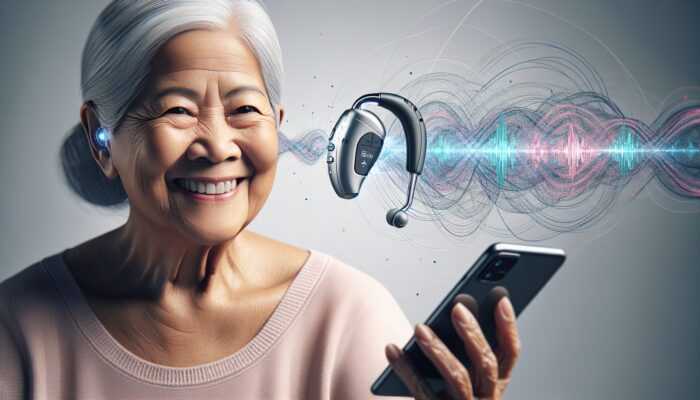
Hearing aids are essential devices that significantly enhance daily conversations in various environments, from friendly chats to structured social events. By amplifying sounds and improving auditory clarity, these devices empower individuals with hearing loss to engage more completely with their surroundings. With hearing aids, users can easily follow conversations with family and friends, actively participate in discussions during social gatherings, and enjoy entertainment options without feeling excluded. This enhancement in sound perception profoundly improves the overall quality of life for those with hearing impairments, allowing them to reconnect with their social circles and the world around them.

Key advantages of using hearing aids include:

  • Enhanced Communication: Users hear conversations more distinctly, which minimizes misunderstandings.
  • Increased Social Participation: Individuals can engage in social events without feeling isolated.
  • Improved Confidence: Clear hearing boosts self-assurance in social interactions.
  • Better Cognitive Health: Active participation in conversations stimulates cognitive function.
  • Decreased Feelings of Isolation: Hearing aids foster connections, reducing loneliness.
  • Enhanced Quality of Life: Overall well-being improves through effective communication.
  • Access to Multimedia: Enjoyment of music, films, and social events becomes more accessible.
  • Strengthened Family Bonds: Clear communication enhances family relationships and mutual understanding.

The significant influence of hearing aids on everyday interactions is evident in various social contexts. For example, during family reunions, individuals utilizing hearing aids can meaningfully engage in conversations, share anecdotes, and partake in enriching exchanges, which deepen familial relationships. Similarly, in diverse social situations such as community gatherings or clubs, the clarity of hearing transforms the experience, paving the way for shared laughter and collaboration.

What role do hearing aids play in personal relationships?

Effective communication is the cornerstone of strong personal relationships, and hearing aids are pivotal in enhancing this communication. Misunderstandings can often lead to frustration and emotional distance among loved ones, but hearing aids help bridge these gaps by fostering clear communication. Many personal stories illustrate how hearing aids have revitalized connections that were previously strained due to hearing loss.

For instance, consider a grandmother who, after receiving hearing aids, can finally hear her grandchildren’s laughter and tales. This device not only restores her communication abilities but also deepens her family connections, enabling her to engage fully in family events and celebrations. Such narratives are common; many individuals report feeling closer to their partners, friends, and family as misunderstandings decrease and shared experiences multiply.

Moreover, hearing aids promote a sense of independence, allowing users to rely less on others for sound interpretation. This shift alleviates frustration for both parties, nurturing healthier dynamics in relationships. Ultimately, by facilitating clearer communication, hearing aids help preserve strong ties, ensuring that subtle expressions of love and support are conveyed with clarity.

How do hearing aids enhance professional communication?

In the workplace, effective communication is crucial, and hearing aids enable individuals to engage actively in discussions and meetings. By allowing users to follow conversations and interact smoothly with colleagues, these devices play a vital role in enhancing professional performance. Research indicates that people who use hearing aids often show improved job performance due to their heightened capability to engage in dialogue and collaborate efficiently.

Statistics reveal that organizations implementing inclusive hearing solutions experience up to a 30% boost in employee engagement and productivity. This improvement is particularly significant in team-oriented environments where collaboration is essential. Employees equipped with hearing aids can contribute more freely, sharing insights and feedback that drive innovation and teamwork.

Furthermore, incorporating hearing aids into workplaces fosters an inclusive culture, ensuring that individuals with hearing loss are valued members of the team. This inclusivity not only enhances employee morale but also attracts a wider talent pool, as companies recognize the importance of accessibility in retaining skilled workers. The collective advantages of improved communication through hearing aids extend beyond the individual, positively influencing team dynamics and overall organizational success.

What is the relationship between hearing aids and mental health?

The connection between hearing loss and mental health issues, such as social isolation and depression, is well-documented. Hearing aids serve as a crucial tool in mitigating these risks by enhancing communication and promoting social interactions. When individuals can hear and engage effectively, they often experience a notable decrease in feelings of loneliness and despair.

Research shows that people with hearing loss who use hearing aids report higher levels of social interaction and emotional well-being. By facilitating clearer conversations, these devices help users establish and maintain relationships, which play a significant role in their mental health. This renewed engagement can lead to increased participation in community events, social gatherings, and friendships, all vital for mental wellness.

Moreover, effective communication can boost self-esteem and confidence, further alleviating the psychological burden linked to hearing loss. Users frequently express relief at being able to join conversations without the anxiety of misunderstanding or being misunderstood. This sense of empowerment fosters a feeling of belonging, highlighting the essential role of hearing aids in improving not just communication but also overall mental health and quality of life.

What technological advancements are shaping modern hearing aids?

Contemporary hearing aids have significantly evolved, featuring cutting-edge technologies that enhance user experiences. Innovations such as digital sound processing, noise reduction capabilities, and Bluetooth connectivity have transformed how individuals interact with their environments. The adaptation to different soundscapes, whether in bustling restaurants or quiet home settings, has become effortless, providing users with customized auditory experiences.

Digital sound processing is a hallmark feature of modern hearing aids, allowing for sophisticated adjustments based on the user’s surroundings. This technology can distinguish between speech and background noise, amplifying the former while minimizing the latter, thereby creating a clearer listening experience. Additionally, Bluetooth connectivity enables users to connect their hearing aids with smartphones and other devices, allowing for direct streaming of calls, music, and media, enriching their auditory experiences.

Furthermore, the rise of artificial intelligence in hearing aids offers personalized sound adjustments based on real-time analysis of the user’s auditory environment. This smart technology ensures that users receive optimal sound quality tailored to their specific needs. As advancements continue, these devices are becoming increasingly intuitive and user-friendly, significantly enhancing the communication capabilities of individuals with hearing loss.

Exploring Features and Innovations in Hearing Aids

What advanced features are available in modern hearing aids?

Modern hearing aids are packed with numerous features designed to greatly enhance user experience. These devices are no longer limited to simple sound amplification; they now incorporate advanced technologies that cater to individual needs and preferences. The integration of digital sound processing has revolutionized the functionality of hearing aids, allowing for personalized sound experiences that adapt to various environments.

Key features of contemporary hearing aids include:

  • Noise Reduction: Advanced algorithms effectively minimize background noise, enhancing speech clarity.
  • Bluetooth Connectivity: Users can directly stream audio from devices, ensuring seamless communication.
  • Rechargeable Batteries: Many models now offer rechargeable options, eliminating the need for frequent battery replacements.
  • Adaptive Sound Processing: These devices automatically adjust settings based on the surrounding sound environment.
  • Directional Microphones: They focus on sounds from specific directions, improving conversation clarity.
  • Remote Adjustments: Users can modify settings via smartphone apps, guaranteeing optimal sound quality.
  • Health Monitoring Features: Some models track physical activity and health metrics, promoting overall wellness.
  • Water Resistance: Enhanced durability features protect against moisture and everyday wear and tear.

These features not only enhance the functionality of hearing aids but also significantly improve the overall user experience. The ability to customize settings according to personal preferences and environments ensures that users remain engaged and active participants in their social and professional lives. Furthermore, the convenience of Bluetooth connectivity and remote adjustments illustrates how modern hearing aids have become integrated into the digital lifestyles of users.

What are the benefits of miniaturization in hearing aid design?

Technological advancements have led to the miniaturization of hearing aids, resulting in devices that are smaller, more discreet, and more comfortable to wear. This evolution has not only improved aesthetic appeal but has also enhanced the overall user experience. The smaller form factor allows for various styles catering to different preferences and levels of hearing loss, from completely in-the-canal (CIC) models to behind-the-ear (BTE) designs.

The benefits of miniaturization include improved comfort and reduced visibility, allowing users to wear their devices confidently without drawing attention. Additionally, the smaller size has facilitated the incorporation of advanced technologies into these compact devices, offering features previously unavailable in larger models. For example, advancements in battery technology have made it possible to provide longer-lasting power sources in smaller hearing aids, ensuring they can be used throughout the day without frequent recharging.

Moreover, the lighter weight of these devices enhances comfort, allowing users to wear them for extended periods without discomfort. The design advancements cater to varying degrees of hearing loss, ensuring that individuals can find a suitable option that meets their specific auditory needs while complementing their lifestyle. The trend toward miniaturization continues to redefine user expectations, making hearing aids more accessible and appealing than ever before.

How are smart technologies integrated with hearing aids?

The integration of smart technologies with hearing aids has transformed the user experience, making these devices more functional and responsive to individual needs. With the rise of smartphone applications and artificial intelligence (AI), hearing aids can now offer personalized adjustments and real-time support that enhance communication capabilities. Smart technologies empower users to take control of their hearing experience, ensuring optimal performance in diverse environments.

For example, smartphone apps allow users to adjust volume levels, switch between programs, and modify sound profiles directly from their devices. This level of control is particularly beneficial in scenarios requiring quick adjustments, such as transitioning from a quiet space to a noisy environment. Furthermore, AI algorithms can analyze sound patterns and automatically adjust settings based on user preferences and environmental conditions, providing a seamless listening experience.

Additionally, smart hearing aids can incorporate health monitoring features, tracking users’ physical activity and offering insights that promote a healthier lifestyle. This multifaceted approach not only improves auditory experiences but also integrates hearing aids into the broader context of personal health management. The synergy between hearing aids and smart technology exemplifies how innovation is shaping the future of communication for individuals with hearing loss, making it more interactive and personalized.

Insights into How Hearing Aids Address Communication Barriers

What are some real-world success stories of hearing aid users?

The transformative power of hearing aids is illustrated in numerous success stories where individuals have experienced substantial enhancements in their quality of life through improved communication. Hearing professionals often share inspiring accounts of clients who have embraced hearing aids, showcasing the profound impact these devices can have.

Noteworthy examples include:

  • A Retired Teacher: After facing challenges due to hearing loss, she rediscovered joy in engaging with her students and community through her new hearing aids.
  • A Business Executive: Improved communication during meetings led to heightened productivity and collaboration, driving project success within his organization.
  • A Grandfather: He regained the ability to hear his grandchildren’s laughter, strengthening family bonds and creating unforgettable memories.
  • A Young Professional: Overcoming social anxiety, she utilized her hearing aids to network confidently and establish important connections in her field.
  • A Musician: With hearing aids, he could enjoy music again, allowing him to perform and share his passion with others.

These stories underscore the essential role of hearing aids in bridging communication gaps, demonstrating how they empower users to engage meaningfully in both social and professional contexts. The positive outcomes of improved hearing extend beyond the individual, fostering connections and enriching the lives of those around them. Hearing professionals are crucial in guiding individuals to find the right solutions tailored to their unique needs, ensuring that the journey towards better hearing is both supportive and transformative.

What steps can individuals take to choose the right hearing aid?

Choosing the ideal hearing aid can be a daunting task, but with expert guidance and thoughtful considerations, individuals can make informed decisions based on their unique needs and lifestyle. The journey begins with a comprehensive hearing evaluation to assess the degree and type of hearing loss. This assessment is crucial in identifying the most fitting hearing aid options.

Experts recommend the following actionable steps for selecting the right hearing aid:

  • Consult a Hearing Professional: Schedule an appointment with an audiologist or hearing specialist for an accurate diagnosis.
  • Determine Your Lifestyle Requirements: Reflect on daily activities and environments where optimal hearing is essential, such as social gatherings or quiet settings.
  • Explore Different Styles: Familiarize yourself with various hearing aid styles and technologies available to identify one that aligns with your preferences.
  • Test Various Models: Take advantage of trial periods offered by hearing aid providers to discover the best auditory experience.
  • Consider Your Budget: Evaluate the costs associated with hearing aids, taking into account potential maintenance and warranty options for long-term use.
  • Assess Connectivity Features: Determine if Bluetooth capabilities for streaming audio from your devices are a priority.
  • Inquire About Support Services: Ensure your provider offers ongoing support and maintenance services for your hearing aids.

By following these steps, individuals can confidently select hearing aids that effectively address their hearing loss while seamlessly fitting into their lifestyles. The right hearing aid not only enhances auditory perception but also significantly improves overall quality of life, allowing users to engage more fully with their surroundings.

What does expert analysis say about the future of hearing aid technology?

The future of hearing aid technology is poised for remarkable advancements, as innovations continue to emerge, promising even greater improvements in sound quality and functionality. Experts foresee a trend toward greater integration of artificial intelligence, enabling hearing aids to learn and adapt to users’ preferences over time. This evolution will lead to more personalized auditory experiences that cater to individual nuances in hearing needs.

Additionally, there is a growing emphasis on connectivity, with future hearing aids likely to incorporate seamless integration with various smart devices. This capability will allow users to manage their hearing aids more efficiently while accessing a broader range of audio content directly from their devices, creating an enriched listening experience. Enhanced sound quality is also a focal point, with developments in acoustic engineering aiming to produce clearer and more natural sound reproduction.

Moreover, as research continues to unveil the connections between auditory health and cognitive function, hearing aids may incorporate features that promote cognitive engagement, supporting overall brain health. The focus on user-friendly design will ensure that hearing aids remain accessible and comfortable, facilitating easy adaptation by new users. Overall, the trajectory of hearing aid technology points toward a future where communication gaps are continually diminished, enhancing users’ experiences in both personal and professional realms.

Understanding the Psychological Benefits of Hearing Aids

How do hearing aids influence mental health?

The connection between hearing ability and mental health is significant, with studies showing that untreated hearing loss can lead to heightened feelings of isolation, anxiety, and depression. Hearing aids serve as a powerful intervention, providing individuals with the opportunity to engage in meaningful conversations and social interactions. By significantly improving communication capabilities, these devices are crucial in enhancing mental health.

The positive psychological effects of utilizing hearing aids are substantial. Users typically report feeling more connected to their social circles, which leads to improved self-esteem and emotional wellness. The ability to participate actively in conversations alleviates feelings of loneliness, creating opportunities for users to form and maintain relationships essential for mental health. This engagement in social activities helps counteract cognitive decline often associated with hearing loss.

Moreover, the empowerment that comes from enhanced communication fosters a sense of agency, as individuals can take control of their social interactions rather than relying on others for assistance. This newfound independence contributes to a more optimistic outlook on life, reinforcing the importance of hearing aids as tools for not just hearing but also for enhancing overall mental health and well-being.

What is the relationship between hearing aids and cognitive function?

Research has established a clear link between hearing loss and cognitive decline, with untreated hearing issues correlating with an increased risk of dementia and other cognitive impairments. Hearing aids play a pivotal role in mitigating these risks by keeping the brain engaged through auditory stimulation. By facilitating clearer communication, hearing aids encourage users to maintain social interactions and cognitive engagement, which are crucial for mental agility.

Studies indicate that individuals who use hearing aids are more likely to engage in conversations that challenge cognitive processes, thereby promoting brain health. Hearing aids assist users in remaining mentally active, as the brain must process sounds and articulate responses effectively. This engagement not only helps maintain cognitive function but also enhances overall quality of life.

Furthermore, the act of listening and responding stimulates various cognitive processes, reinforcing neural connections that are vital for maintaining sharp mental acuity. As users navigate complex auditory environments, such as group discussions or public events, their brains remain active, fostering better cognitive health and emotional resilience. This connection underscores the importance of addressing hearing loss not only for communication but also for preserving cognitive function.

How can hearing aids boost confidence?

Confidence plays a crucial role in both social and professional interactions, and hearing aids can significantly enhance an individual’s self-assurance. When users experience improved hearing, they are more likely to engage actively in conversations, share ideas, and participate in social activities. This level of engagement fosters a sense of belonging and affirmation, boosting their confidence in various settings.

The ability to communicate effectively allows individuals to express themselves more clearly and assertively, reducing anxiety often associated with misunderstandings. For example, someone using hearing aids may feel empowered to contribute in meetings, engage in discussions, and voice their opinions without fear of being misheard or overlooked. This empowerment translates into greater participation in both personal relationships and professional endeavors.

Moreover, enhanced hearing can also lead to improved body language and social cues, as users become more attuned to their surroundings and the reactions of others. This heightened awareness enables individuals to respond appropriately in conversations, further enhancing their confidence. As users embrace their hearing aids and the improved communication they facilitate, they often discover a newfound sense of self-efficacy that positively impacts every aspect of their lives.

Understanding the Functionality of Hearing Aids

What is the fundamental mechanism of a hearing aid?

The basic mechanism of a hearing aid revolves around its capacity to amplify sound, enabling individuals with hearing loss to perceive auditory stimuli more effectively. A hearing aid comprises several essential components, including a microphone, amplifier, and speaker. The process begins when sound waves enter through the microphone, converting them into electrical signals for processing.

Once the sound waves are transformed into electrical signals, the amplifier boosts the strength of these signals before directing them to the speaker. The speaker then converts the amplified signals back into sound waves, which are delivered to the ear. This fundamental process allows hearing aids to enhance sound quality and clarity, facilitating easier engagement in conversations and enjoyment of various auditory experiences.

Moreover, modern hearing aids integrate advanced technologies that enable users to customize their listening experiences. Features such as directional microphones, noise reduction, and digital sound processing further enhance the effectiveness of hearing aids, ensuring that users can hear clearly in diverse environments. This ability to fine-tune sound amplification based on individual preferences and environmental factors exemplifies how hearing aids work to bridge communication gaps and improve overall auditory experiences.

How does the sound amplification process work in hearing aids?

The sound amplification process in hearing aids is intricately designed to improve the auditory experience for users with hearing loss. When sound enters the hearing aid through the microphone, it is first converted into an electrical signal. This initial step is critical, as it allows the device to analyze and process the sound before amplification.

Following this conversion, the electrical signals undergo amplification via a sophisticated digital signal processor (DSP). The DSP adjusts the strength of the sound based on pre-set parameters that account for the user’s specific hearing loss characteristics. This amplification process is finely tuned to ensure that speech is prioritized over background noise, helping users focus on conversations and significant sounds.

Once the signals are amplified, they are transmitted back to the speaker, where they are converted into sound waves that the user can hear. This process enables users to experience sounds more distinctly, allowing for improved communication and engagement. Additionally, advanced features such as noise reduction algorithms and feedback suppression work alongside the amplification process, ensuring that users enjoy a clear and comfortable listening experience.

What types of hearing aid technologies are available?

Hearing aid technologies have diversified greatly, offering users a variety of options that accommodate different degrees of hearing loss and personal preferences. The most common types of hearing aids include behind-the-ear (BTE), in-the-ear (ITE), and completely-in-the-canal (CIC) models. Each style is designed to address specific needs while providing varying levels of amplification and comfort.

BTE hearing aids are among the most versatile, featuring a plastic case worn behind the ear with a tube that channels sound into the ear canal. This design is suitable for a wide range of hearing losses and allows for the incorporation of advanced technology. ITE hearing aids fit directly within the outer ear, offering a discreet appearance while still providing powerful amplification. These devices are particularly advantageous for those with mild to moderate hearing loss.

CIC hearing aids are the most discreet option, fitting entirely inside the ear canal and rendering them nearly invisible when worn. This design is ideal for individuals who prioritize aesthetics and prefer a less noticeable device. Each of these technologies incorporates advanced features such as Bluetooth connectivity, noise reduction, and adaptive sound processing, ensuring that users can enjoy a rich auditory experience tailored to their specific needs.

How should users maintain and care for their hearing aids?

Proper maintenance and care of hearing aids are vital for ensuring their longevity and effectiveness. Regular cleaning and inspections are essential to prevent moisture, debris, and earwax buildup that can interfere with performance. Users should adopt a routine that includes daily cleaning of the device using a soft, dry cloth and specific cleaning tools recommended by the manufacturer.

Additionally, users should regularly check for any signs of wear and tear, ensuring that battery compartments are clean and that sound output remains clear. Keeping hearing aids dry is crucial, as moisture can damage the electronic components. Users should store their devices in a cool, dry place when not in use, preferably in a protective case.

For rechargeable hearing aids, regular charging is necessary to maintain optimal performance. Users should familiarize themselves with the specific guidelines provided by their audiologist regarding battery life and replacement schedules. By taking these proactive measures in maintaining their devices, users can enjoy consistent performance while extending the life of their hearing aids, ultimately maximizing their communication capabilities.

Research-Backed Insights on How Hearing Aids Bridge Communication Gaps

What findings do studies reveal about hearing aid effectiveness?

Research consistently highlights the effectiveness of hearing aids in improving communication skills, enhancing quality of life, and supporting cognitive function among individuals with hearing loss. Various studies have documented the positive outcomes associated with hearing aid use, demonstrating how these devices empower users to engage more effectively with their environments.

For instance, numerous longitudinal studies have found that individuals who utilize hearing aids report significant improvements in their ability to understand speech and interact socially. This enhanced communication capability positively influences relationships, leading to increased social engagement and a higher quality of life. Additionally, research indicates that hearing aids can help mitigate the cognitive decline often associated with untreated hearing loss, promoting overall mental well-being.

Moreover, meta-analyses have shown that hearing aid users experience enhanced emotional health, reporting lower levels of anxiety and depression compared to those who do not use these devices. Collectively, the research underscores the vital role of hearing aids in bridging communication gaps, facilitating better social interactions, and enhancing the overall quality of life for individuals with hearing loss.

What is the long-term impact of hearing aids on communication?

Longitudinal studies examining the long-term impact of hearing aids reveal sustained improvements in communication abilities and social interactions among users. Over time, individuals who wear hearing aids report consistently better outcomes regarding their capacity to engage in conversations, participate in social activities, and maintain familial relationships. These findings suggest that hearing aids not only provide immediate benefits but also foster enduring improvements in communication.

As users adapt to their hearing aids, they often experience increased confidence and reduced anxiety in social situations. This positive feedback loop reinforces the value of continued use, as enhanced communication abilities lead to more active participation in everyday interactions. Moreover, the long-term effects extend beyond communication, contributing to improved emotional well-being and a stronger sense of community involvement.

Research indicates that continued use of hearing aids correlates with heightened social engagement and reduced feelings of isolation over time. Users frequently report feeling more connected to their friends and family, emphasizing that hearing aids play a crucial role in bridging communication gaps and enhancing overall quality of life.

What do experts say about hearing aid usage and outcomes?

Experts in audiology and hearing health continuously analyze data on hearing aid usage and its outcomes, providing valuable insights into how these devices impact users’ lives. The consensus indicates that individuals who consistently use hearing aids experience pronounced improvements in communication, emotional well-being, and social engagement. This analysis underscores the transformative effect of hearing aids in bridging gaps and fostering meaningful connections.

Data shows that hearing aid users report significantly higher satisfaction levels in their personal and professional lives. Users experience enhanced communication skills, leading to improved relationships and job performance. Moreover, experts highlight the importance of proper fitting and regular follow-ups with audiologists, as customized adjustments significantly enhance the efficacy of hearing aids.

Through ongoing research and analysis, experts continue to advocate for greater awareness and accessibility of hearing aids. They emphasize the necessity of ensuring that individuals with hearing loss are equipped with the tools they need to thrive in their social and professional environments, ultimately underscoring the essential role of hearing aids in bridging communication gaps and enhancing quality of life.

How do hearing aids improve workplace communication?

Hearing aids significantly enhance workplace communication, promoting effective interaction among employees and improving overall job performance. In environments where collaboration and teamwork are vital, hearing aids empower users to actively engage in meetings, discussions, and brainstorming sessions. Research indicates that employees who use hearing aids are more likely to participate in group settings, contributing valuable insights that drive productivity and innovation.

Statistics suggest that workplaces with inclusive hearing solutions experience increased employee satisfaction and improved team dynamics. Hearing aids facilitate clearer communication, reducing misunderstandings and fostering collaboration among colleagues. Therefore, organizations prioritizing accessibility and providing hearing aids to employees with hearing loss can expect to see higher levels of engagement and job satisfaction.

Furthermore, the positive impact of hearing aids extends beyond individual users, enriching workplace culture and promoting inclusivity. By ensuring that all employees can contribute to discussions and share ideas, companies can leverage diverse perspectives, ultimately driving better outcomes. The integration of hearing aids into professional settings exemplifies how these devices can bridge communication gaps, enhance collaboration, and improve organizational performance.

The Societal Influence of Hearing Aids

How do hearing aids promote social inclusion?

Hearing aids are crucial in promoting social inclusion, allowing individuals with hearing loss to fully engage in social activities and community interactions. The ability to hear clearly enhances interactions with others, fostering meaningful conversations and shared experiences that are fundamental to social connections. By bridging communication gaps, hearing aids empower individuals to interact confidently in diverse social settings, thereby reducing feelings of isolation.

Whether attending family gatherings, participating in community events, or joining group activities, hearing aids enable users to engage meaningfully and confidently. This heightened engagement fosters a sense of belonging, as individuals feel more connected to their peers and communities. The emotional impact of being included cannot be overstated; it reinforces positive self-esteem and encourages further social participation.

Moreover, hearing aids help dismantle communication barriers, ensuring that individuals with hearing loss can express themselves freely and understand others without difficulty. This facilitation of social inclusion benefits not only the users but also enriches the experiences of those around them, as shared conversations and interactions lead to deeper relationships and mutual understanding across various social contexts.

What role do hearing aids play in community involvement?

Community involvement is crucial for cultivating strong social ties and a sense of belonging, and hearing aids significantly enhance individuals’ ability to engage in these activities. By improving communication capabilities, hearing aids empower users to actively participate in community events, volunteer initiatives, and local gatherings, thereby reinforcing community bonds.

For instance, individuals with hearing aids can fully partake in discussions and activities at local clubs, service organizations, or cultural events, fostering relationships with like-minded individuals. This active involvement not only enhances their social networks but also provides a sense of purpose and fulfillment, as users contribute to community development and cohesion.

Furthermore, hearing aids facilitate intergenerational interactions, bridging gaps between different age groups and encouraging shared experiences. For example, older adults with hearing aids can engage with younger generations, sharing stories and wisdom that enrich community life. This interactivity ultimately cultivates a vibrant community dynamic where everyone feels valued and included, regardless of hearing ability.

How do hearing aids enhance educational opportunities?

In educational settings, hearing aids are vital tools that support improved learning outcomes for students with hearing loss. By enhancing communication between teachers and students, these devices foster an inclusive learning environment where all students can succeed. Hearing aids enable students to hear lectures clearly, participate in discussions, and engage with peers, thereby enriching their overall educational experiences.

Research indicates that students who use hearing aids demonstrate improved academic performance and social engagement. The ability to access auditory information without barriers allows students to focus on learning and interaction, reducing feelings of frustration or exclusion. Additionally, hearing aids facilitate collaborative learning opportunities, as students can work together on projects and discussions without the hindrance of communication obstacles.

Teachers also benefit from having students with hearing aids in their classrooms, as it promotes inclusive teaching practices and encourages the development of tailored instructional strategies to meet diverse learning needs. This proactive approach creates a supportive educational environment where all students feel valued and empowered to succeed.

How do hearing aids boost workplace productivity?

Workplace productivity is significantly enhanced through the effective use of hearing aids, as these devices allow individuals with hearing loss to communicate more clearly and engage actively in professional environments. Improved communication skills lead to better collaboration among team members, resulting in higher levels of innovation and efficiency in project execution.

Statistics indicate that organizations with inclusive practices, including providing hearing aids to employees, see marked improvements in overall productivity. Employees report feeling more engaged and confident when participating in discussions, leading to a more dynamic workplace culture. Moreover, effective communication reduces misunderstandings, streamlining processes and ensuring that projects run smoothly.

Furthermore, providing hearing aids highlights a commitment to accessibility and inclusivity within organizations. This approach not only supports employees with hearing loss but also fosters a positive work environment where all employees can contribute their skills and ideas. Consequently, enhanced workplace productivity becomes a collective benefit, reinforcing the importance of hearing aids in bridging communication gaps and driving organizational success.

What impact do hearing aids have on family relationships?

Family relationships thrive on open communication, and hearing aids are critical in facilitating clear interactions among family members. By improving the ability to hear and understand each other, these devices help reduce misunderstandings and frustrations that often arise from hearing loss. Enhanced communication creates a supportive environment where family members can express their thoughts, feelings, and experiences more freely.

For example, grandparents who wear hearing aids can engage in meaningful conversations with their grandchildren, sharing stories and building connections that are essential for familial bonding. Similarly, family discussions, celebrations, and gatherings are enriched when all members can actively participate and contribute to conversations. This engagement reinforces the values of love, support, and cohesion within the family unit.

Moreover, hearing aids help alleviate the emotional strain that can accompany hearing loss, allowing family members to feel more connected and understanding towards one another. As communication improves, family dynamics strengthen, fostering an atmosphere of empathy and cooperation. By bridging communication gaps, hearing aids enhance family relationships, promoting a nurturing and harmonious home environment.

What challenges do hearing aid users face?

What common issues do hearing aid users encounter?

While hearing aids provide significant benefits, users may face several challenges that can impact their experience. Common issues encountered by hearing aid users include feedback noise, difficulty adjusting to background noise, and the necessity for regular maintenance. Feedback noise can be particularly frustrating, often occurring when sound escapes from the ear mold or when the hearing aid is not fitted properly.

Another challenge is the adjustment period required for users to adapt to background noise. Many hearing aids come equipped with features to minimize background sounds, but users may still struggle in noisy environments, such as crowded restaurants or busy workplaces. This adjustment can require patience as individuals learn to differentiate between important sounds and distracting noise.

Regular maintenance is also crucial for optimal performance of hearing aids. Users must consistently check for wax buildup, moisture exposure, and battery levels to ensure that their devices function effectively. These challenges highlight the importance of ongoing support and guidance from hearing professionals to help users navigate their experiences and maintain their devices in good working condition.

How can users address challenges with hearing aids?

Overcoming challenges associated with hearing aid use requires proactive strategies and support from hearing professionals. For users experiencing feedback noise, seeking advice on proper fitting and adjustments can significantly alleviate this issue. Audiologists can provide solutions that enhance comfort and performance, reducing the likelihood of feedback.

To adjust to background noise, users can practice in different environments, gradually acclimating to various soundscapes. Additionally, utilizing features such as directional microphones can help users focus on specific sounds while minimizing distractions. Engaging in exercises that involve listening to conversations in noisy settings can also enhance adaptability over time.

Regular check-ups with audiologists are crucial for maintaining hearing aids and addressing any emerging challenges. Professionals can offer ongoing support, recommend cleaning techniques, and suggest any necessary upgrades or adjustments to improve the user experience. By actively participating in their hearing health, users can navigate challenges more effectively and enjoy the full benefits of their hearing aids.

Why is proper fitting and maintenance essential?

Proper fitting and regular maintenance are critical components of successful hearing aid use. A well-fitted hearing aid ensures optimal sound delivery and comfort, allowing users to experience the full benefits of their devices. An audiologist plays a vital role in this process, conducting thorough assessments to determine the appropriate style and settings based on individual hearing needs.

Once fitted, ongoing maintenance is essential for preserving the functionality and longevity of hearing aids. Users should establish a regular cleaning routine and schedule periodic check-ups with their audiologist to ensure that their devices remain in optimal condition. This proactive approach minimizes issues related to sound quality and comfort, allowing users to maximize their communication capabilities.

Moreover, understanding the importance of proper care and maintenance empowers users, leading to greater satisfaction with their hearing aids. By taking ownership of their hearing health, individuals can enjoy a seamless auditory experience that enhances their quality of life and fosters meaningful connections with others.

Looking Ahead: The Future of Communication with Hearing Aids

What innovations are on the horizon for hearing aid technology?

The future of hearing aid technology is poised for remarkable innovations, driven by advancements in engineering and digital technology. As the demand for more effective and user-friendly solutions grows, manufacturers are focusing on creating even smaller, more discreet devices that offer enhanced sound quality and functionality. Innovations such as improved battery life, noise cancellation, and AI-driven features are expected to revolutionize the user experience.

One anticipated advancement is the integration of more sophisticated AI algorithms that allow hearing aids to learn from users’ preferences and adapt automatically to different environments. This will enable greater personalization, ensuring that users experience optimal sound quality without the need for constant manual adjustments. Furthermore, the development of hearing aids with built-in health monitoring features could provide valuable insights into users’ physical well-being, promoting overall health management.

Moreover, ongoing research into wireless technology may lead to seamless connectivity between hearing aids and various smart devices. This connectivity could enhance the listening experience by enabling users to stream audio directly from smartphones, televisions, and other devices, significantly enriching their auditory environment. The evolution of hearing aid technology points toward a future where communication gaps are continuously bridged, ultimately enhancing the lives of individuals with hearing loss.

How will hearing aids fit into an increasingly connected world?

As the world becomes increasingly interconnected through technology, hearing aids are expected to integrate more seamlessly with other devices, enhancing communication and user experience. The potential for connectivity will allow hearing aids to function not just as standalone devices but as integral components of a broader digital ecosystem. This integration will enable users to manage their hearing aids through smartphone applications, allowing for real-time adjustments and access to personalized audio experiences.

Moreover, as smart home technologies advance, hearing aids may interact with other devices such as voice assistants, TVs, and home audio systems. This connectivity will allow users to customize their auditory environments effortlessly, providing greater control over their listening experiences. For instance, users could adjust the volume of their hearing aids while watching TV or listening to music, ensuring optimal sound quality across different platforms.

This interconnectedness will enhance the overall functionality of hearing aids, making them more versatile tools for communication and social interaction. As technology evolves, hearing aids will likely become more integrated into users’ daily lives, promoting better engagement with their surroundings and bridging communication gaps in increasingly complex auditory environments.

How will hearing aids continue to bridge communication gaps?

As technology continues to advance, hearing aids will increasingly serve as vital instruments for bridging communication gaps across various settings. Innovations in sound processing, connectivity, and user interaction will enhance their effectiveness, allowing individuals with hearing loss to engage more freely and comfortably in conversations and social interactions.

Future developments in artificial intelligence and machine learning will enable hearing aids to adapt to users’ preferences and environments automatically. This adaptability ensures that users can navigate diverse auditory landscapes effortlessly, thereby enhancing their communication capabilities. Additionally, the integration of advanced noise cancellation and sound amplification technologies will further improve clarity and understanding in noisy environments, where communication is often challenging.

Moreover, as awareness of hearing loss and its impact on communication grows, the push for inclusivity in social and professional settings will strengthen. Organizations and communities will increasingly recognize the importance of providing hearing aids and support for individuals with hearing loss, fostering environments where everyone can participate fully. By continuously evolving and innovating, hearing aids will play an essential role in bridging communication gaps, enriching the lives of users and promoting deeper connections in an increasingly interconnected world.

Frequently Asked Questions (FAQs)

What are the primary functions of hearing aids?

Hearing aids primarily amplify sounds to assist individuals with hearing loss in perceiving auditory information more clearly. They enhance communication by enabling users to hear conversations and other sounds in their environment effectively.

How do I know if I need hearing aids?

If you experience difficulty hearing conversations, struggle to understand speech in noisy environments, or often ask others to repeat themselves, it may be time to consult a hearing professional for an evaluation.

Can hearing aids help with all types of hearing loss?

While hearing aids can significantly improve most types of hearing loss, their effectiveness depends on the severity and type of loss. Consulting an audiologist can help determine the best solution for individual needs.

Are there different styles of hearing aids?

Yes, hearing aids come in various styles, including behind-the-ear (BTE), in-the-ear (ITE), and completely-in-the-canal (CIC) models, each designed to cater to different levels of hearing loss and user preferences.

How long do hearing aid batteries last?

Battery life varies depending on the type of hearing aid and usage. Regular disposable batteries can last from several days to weeks, while rechargeable models can typically operate for a full day on a single charge.

Can I wear hearing aids while exercising?

Yes, many modern hearing aids are designed to be water and sweat-resistant. However, it’s essential to follow care instructions and consult your audiologist for specific guidance on wear during physical activities.

How do I clean and maintain my hearing aids?

Regular cleaning involves wiping the device with a soft, dry cloth and using manufacturer-recommended cleaning tools to keep the microphone and speaker clear of debris. Schedule periodic check-ups with your audiologist for professional maintenance.

Are hearing aids covered by insurance?

Coverage for hearing aids varies by insurance plans. Some plans may cover a portion of the costs, while others may not. It’s advisable to check with your insurance provider to understand your specific benefits.

How can I adjust to wearing hearing aids?

Adjusting to hearing aids can take time. Start by wearing them in quiet environments, gradually introducing more challenging settings to build comfort and familiarity with your device.

Do hearing aids require a prescription?

Yes, a professional evaluation by an audiologist is necessary to determine the appropriate type and settings for hearing aids, ensuring that users receive the most suitable solutions for their hearing loss.

Explore our world on X!

The post Hearing Aids: A Universal Solution for Communication Gaps appeared first on The Microsuction Ear Wax Removal Network.
Categories
Health & Wellness Hearing Assistance

Troubleshoot Hearing Aid Feedback with This Universal Guide

Last Updated on 05/12/2025 by Admin

Comprehensive Guide to Hearing Aid Feedback Management

What Factors Contribute to Hearing Aid Feedback?

Hearing aid feedback typically occurs due to several interconnected factors that disrupt the effective operation of the device. A significant reason is a poor fit. If hearing aids do not fit securely in the ear canal, sound may escape and be re-amplified, resulting in that frustrating whistling noise. Another significant contributor is earwax buildup. Excess wax can block sound pathways, creating conditions where feedback can flourish. Additionally, damaged components—such as microphones or speakers—can interfere with audio signals, leading to feedback complications.

Grasping these causes is vital for effective troubleshooting. When users understand what triggers feedback, they can proactively implement solutions to address the problem, significantly improving their overall listening experience. For instance, if feedback stems from a poor fit, users may benefit from consulting an audiologist for a customized fitting. Awareness of these factors allows users to adopt suitable remedies, ensuring their hearing aids function at their best.

Identifying Different Types of Feedback and Their Unique Features

Feedback can present itself in various forms, each characterized by unique features. The most commonly recognized type is whistling, which often occurs when sound escapes the ear and gets picked up again by the hearing aid’s microphone. Another type is whooshing, which can occur when sound waves reflect off surfaces, creating resonance that the device struggles to manage. Understanding these feedback types enables users to pinpoint the source and context of the issue, making troubleshooting less intimidating.

Each feedback type can be affected by several factors, such as volume settings or the acoustic environment. For example, feedback might be more pronounced in echoey spaces, while a whistling sound may arise when a user speaks directly into a reflective surface. Recognizing the features of the feedback empowers users to apply targeted solutions effectively, enabling them to enjoy clear audio without frequent disturbances.

Debunking Common Myths Surrounding Hearing Aid Feedback

Several myths about hearing aid feedback can obstruct effective troubleshooting. A widespread misconception is that feedback is unavoidable; many users feel resigned to tolerate it instead of seeking solutions. In reality, feedback can often be minimized or completely eliminated through simple adjustments and regular maintenance. Another common belief is that feedback indicates a defective device. While it can point to issues, feedback typically results from improper fit or earwax accumulation rather than a malfunctioning hearing aid.

By correcting these misunderstandings, users can adopt a more proactive stance in managing their hearing aids. Recognizing that feedback is not an inherent flaw encourages users to engage in regular maintenance and consult professionals when needed. This change in mindset can dramatically improve the user’s overall satisfaction and willingness to explore corrective measures, leading to a more enjoyable hearing experience.

Expert Strategies for Troubleshooting Hearing Aid Feedback

How Do Professionals Diagnose Feedback Sources in Hearing Aids?

Professionals utilize a variety of methods to accurately identify the sources of feedback in hearing aids. One effective strategy is conducting a thorough audiometric assessment. This process allows audiologists to evaluate the hearing aid’s performance relative to the user’s individual hearing profile. For example, an audiologist may note that feedback intensifies when the user is in a specific acoustic setting, indicating a need for adjustments.

Real-life examples illustrate this diagnostic process: in one instance, an audiologist observed a patient experiencing feedback primarily while using their hearing aid at a community center known for its high ceilings and reflective surfaces. By recommending a change in the hearing aid’s program settings tailored to such environments, the feedback was significantly reduced. These targeted interventions highlight the importance of professional assessments and the value of expert insights in troubleshooting feedback-related issues.

What Techniques Do Audiologists Use to Reduce Feedback?

Audiologists possess a range of techniques they apply to alleviate feedback problems. A common tactic is fine-tuning the hearing aid settings. This process may include adjusting gain levels or modifying the frequency response to ensure the sound remains clear while preventing feedback. Another helpful technique involves recommending custom ear molds, which improve the fit and lessen the chances of sound leakage.

  • Evaluate and adjust gain settings based on specific feedback characteristics.
  • Experiment with different frequency responses to achieve optimal sound quality.
  • Consider using custom ear molds for a more secure fit.
  • Encourage routine hearing aid checks to confirm that all components are functioning properly.

By employing these strategies, audiologists can offer personalized solutions tailored to each user’s unique needs. This level of customization not only minimizes feedback but also enhances the overall listening experience, empowering users to fully enjoy their hearing aids without the interference of disruptive sounds.

What Are the Latest Innovations in Feedback Reduction Technology?

The realm of hearing aid technology is continually evolving, particularly in the area of feedback reduction. Recent innovations have led to the creation of smart hearing aids featuring algorithms that adapt to changing environments in real time. These advanced devices can analyze surrounding sounds and automatically adjust their settings to minimize feedback while maximizing sound clarity.

For example, certain hearing aids now incorporate feedback cancellation systems that proactively identify when feedback occurs and instantly counteract it, greatly enhancing user comfort. Additionally, the integration of machine learning enables these hearing aids to learn from user behavior, refining their settings over time to reduce feedback in frequently visited locations.

These technological advancements are not merely about convenience; they represent substantial improvements in user experience. By investing in hearing aids with cutting-edge feedback reduction capabilities, users can enjoy a more seamless auditory experience, allowing them to engage fully in conversations and activities without the disruption of feedback.

Step-by-Step Guide to Troubleshooting Hearing Aid Feedback

How to Assess and Modify Hearing Aid Fit for Optimal Performance

A proper fit is essential for preventing hearing aid feedback. Users should routinely check their hearing aids to ensure they sit comfortably within the ear canal. Adjusting the fit can resolve numerous feedback issues. Here’s how to accurately check and adjust your hearing aid fit:

  • Carefully remove the hearing aid and inspect the ear mold or tip for any signs of damage.
  • Ensure the hearing aid is clean and free from any debris or blockages.
  • Reinsert the hearing aid while gently tilting your head to aid proper placement.
  • Gently wiggle the device to check for stability and comfort.
  • If discomfort persists, consult an audiologist for a professional fitting.

Regularly checking and adjusting the fit can significantly reduce the incidence of feedback. It is important to remember that even minor changes in the shape of the ear can influence how the hearing aid rests, especially after extended wear. Users should feel free to consult professionals for adjustments, as a well-fitted hearing aid greatly enhances both comfort and auditory clarity.

Essential Cleaning and Maintenance Practices for Hearing Aids

Consistent cleaning and maintenance are vital for preventing feedback caused by earwax or debris accumulation. Users should take a proactive approach to care for their hearing aids, ensuring they stay in optimal condition. Here are some indispensable cleaning and maintenance tips:

  • Daily, wipe the hearing aid with a soft, dry cloth to remove surface dirt.
  • Utilize a specialized brush to eliminate any built-up earwax from the receiver.
  • Ensure the battery compartment remains free of moisture and dirt.
  • Store hearing aids in a dry, cool place when not in use to prolong their lifespan.
  • Schedule regular appointments with an audiologist for professional cleaning and assessment.

By incorporating these cleaning practices into their daily routine, users can significantly decrease the likelihood of feedback associated with blockages or device malfunctions. Furthermore, prioritizing maintenance helps users foster a stronger relationship with their devices, allowing them to effectively maximize their hearing potential.

When Is It Necessary to Consult a Professional for Feedback Issues?

While many feedback issues can be resolved independently by users, some situations warrant professional assistance. Users should be alert to indicators that suggest it’s time to consult an audiologist. If feedback persists despite attempts to adjust the device or if users experience discomfort or pain, seeking professional help becomes crucial. Expert guidance can prevent further damage to the hearing aid and ensure its optimal performance.

For instance, if a user notices frequent feedback occurring only in particular situations, it may signal an underlying problem with the device or indicate a need for retuning. Audiologists can provide specialized support tailored to individual requirements, including assessing whether the hearing aid requires repair or replacement. Understanding when to seek help is essential for maintaining device longevity and overall user satisfaction.

How to Effectively Adjust Hearing Aid Settings to Reduce Feedback

Modifying the volume or program settings on hearing aids can greatly assist in alleviating feedback. Users should familiarize themselves with the options available on their devices, as simple adjustments can often lead to significant improvements. Here’s how to effectively adjust hearing aid settings:

  • Access the hearing aid controls, which may be found on the device or through a smartphone app.
  • Lower the volume to determine if it decreases feedback.
  • Experiment with different program settings tailored for specific environments.
  • Document any changes in feedback to evaluate which settings yield the best results.
  • Consult the user manual for detailed guidance on navigating the settings.

Adjusting settings may require some experimentation, but it serves as a powerful tool in managing feedback. Users should invest time in understanding the features and options available to maximize their hearing aids, leading to a more enriching auditory experience.

Utilizing Accessories to Mitigate Feedback Issues

Various accessories can significantly contribute to minimizing feedback. Devices such as feedback suppressors or specially designed domes can effectively reduce feedback while enhancing sound quality. Understanding how to properly utilize these accessories is crucial for achieving optimal outcomes.

  • Research different types of feedback suppressors that are compatible with your hearing aids.
  • Consider using domes that fit securely in the ear canal to minimize sound leakage.
  • Incorporate these accessories into daily use to reap maximum benefits.
  • Consult with an audiologist regarding which accessories would best suit your specific needs.

By integrating accessories designed to combat feedback, users can significantly enhance their hearing experience. These tools not only reduce disruptive sounds but also improve overall clarity, allowing users to engage more fully with their environments. Embracing the right accessories ensures a comprehensive approach to hearing aid management.

Understanding the Effects of Feedback on Hearing Aid Performance

How Does Feedback Impact Sound Quality in Hearing Aids?

Feedback can have a considerable impact on the sound quality of hearing aids, often making it difficult for users to comprehend speech or enjoy music. When feedback occurs, it generates a disruptive whistling or echoing sound that can overshadow other critical audio signals. This deterioration in sound quality can be particularly exasperating for individuals who rely on hearing aids for effective communication.

For example, in a lively café, a user experiencing feedback might struggle to follow conversations, resulting in feelings of isolation or frustration. Addressing feedback swiftly is crucial to ensuring optimal performance and user satisfaction. By minimizing feedback, users can greatly improve their listening experience, allowing them to participate more fully in social interactions without the hindrance of distracting noises.

Long-Term Consequences of Ignoring Feedback Issues

Neglecting to address feedback problems can lead to long-term ramifications that extend beyond mere auditory challenges. Users may experience heightened frustration and anxiety over time, resulting in a decreased willingness to wear their hearing aids. This cycle can lead to reduced hearing aid usage and ultimately affect the user’s quality of life.

For instance, a user who avoids wearing their hearing aid due to persistent feedback may miss out on valuable moments with family and friends, leading to emotional distress and social withdrawal. This underscores the importance of promptly addressing feedback issues to maintain user satisfaction and prevent a downward spiral. Taking proactive measures can provide a more fulfilling auditory experience, keeping users engaged and connected to their surroundings.

What Psychological Effects Can Feedback Have on Users?

Persistent feedback can lead to significant psychological effects on users. The constant irritation of feedback can increase stress levels, resulting in feelings of frustration and helplessness. Users may find themselves trapped in a cycle of anxiety, worrying about whether their hearing aids will perform adequately in social situations.

Moreover, individuals who frequently experience feedback might feel embarrassed or self-conscious in public settings, further exacerbating feelings of isolation. Recognizing these psychological effects can encourage users to actively seek solutions. By addressing feedback issues promptly and effectively, users can restore their confidence in their hearing aids, enhancing their overall well-being and social interactions.

Proven Strategies for Effective Troubleshooting of Hearing Aid Feedback

What Are the Most Efficient Troubleshooting Techniques for Hearing Aid Feedback?

When it comes to troubleshooting hearing aid feedback, users can employ several effective methods to resolve issues. One straightforward strategy is to reassess the fit of the hearing aids. Ensuring a snug fit can dramatically reduce instances of feedback. Additionally, users should routinely clean their devices to prevent debris or wax buildup that can trigger feedback.

  • Regularly check the fit and comfort level of the hearing aids.
  • Incorporate daily cleaning routines to avoid residue buildup.
  • Adjust settings based on specific environments and personal experiences.
  • Utilize specialized accessories designed to minimize feedback.

By implementing these troubleshooting techniques, users can take control of their hearing experience. Identifying effective solutions fosters independence and confidence, leading to a more enjoyable auditory experience.

How Can Technology Assist in Diagnosing Feedback Issues?

Modern hearing aids come equipped with advanced diagnostic tools that aid in identifying feedback problems. Users can leverage these technologies to gain insights into the performance of their devices. Many hearing aids include built-in feedback detection systems that notify users of potential issues before they escalate.

Additionally, smartphone apps can facilitate real-time feedback monitoring, enabling users to track performance in various environments. For instance, some apps offer users detailed analytics on sound quality and feedback occurrences, allowing them to make informed adjustments. By embracing technology, users can enhance their troubleshooting capabilities, making it easier to address feedback efficiently and effectively.

Preventive Strategies to Mitigate Future Feedback Issues

Implementing preventive measures can significantly diminish the likelihood of future feedback problems. Regular maintenance is crucial; users should establish a routine that includes cleaning, fitting checks, and periodic consultations with audiologists. Furthermore, users should familiarize themselves with their hearing environment. Recognizing spaces prone to feedback—such as echoey rooms or crowded areas—can help users prepare and adjust their settings accordingly.

  • Schedule regular appointments with an audiologist for maintenance and assessment.
  • Keep a cleaning kit readily available for daily care.
  • Be aware of environments that may induce feedback and proactively adjust settings.
  • Stay informed about the latest hearing aid technologies and preventive options.

By incorporating these preventive measures into their hearing aid management routine, users can experience a smoother auditory journey. This proactive approach enhances device longevity and improves overall satisfaction with hearing aids.

Insights from User Experiences and Solutions for Feedback Issues

What Are Common User Complaints Regarding Hearing Aid Feedback?

Users frequently report similar complaints about feedback, providing valuable insights into common issues and potential solutions. Common grievances include persistent whistling sounds in quiet settings, feedback during phone calls, and challenges while conversing in crowded environments. These complaints underscore the necessity for effective troubleshooting techniques and highlight the importance of understanding individual experiences.

For instance, one user mentioned that feedback only occurred while cooking with their hearing aids in, leading to frustration. By sharing these experiences, users can cultivate a sense of community and support, learning from each other’s successes and challenges. Recognizing common complaints equips users with the knowledge to better manage their hearing aids, ultimately enhancing their auditory experience.

Success Stories Highlighting Effective Feedback Resolution

Hearing about others’ successful strategies for resolving feedback issues can be both inspiring and informative. Numerous individuals have shared their stories of triumph, detailing how they addressed persistent feedback through a combination of adjustments and professional guidance. For example, one user recounted how regular cleaning and a simple adjustment to their hearing aid settings dramatically reduced feedback, significantly enhancing their overall experience.

These success stories serve as powerful reminders that managing feedback is achievable. By learning from their peers, users can gain insights into effective troubleshooting strategies and adopt similar approaches in their journeys. Celebrating these victories fosters an atmosphere of support and encouragement, motivating others to take action and improve their hearing experiences.

What Are the Best Practices for Managing Hearing Aid Feedback?

Effective management of feedback involves a combination of user actions and professional guidance. Users should prioritize regular maintenance through cleaning and fitting checks while remaining informed about the latest technologies and accessories designed to minimize feedback. Additionally, maintaining open communication with audiologists can provide users with personalized advice and recommendations tailored to their needs.

  • Establish a routine for cleaning and maintaining hearing aids effectively.
  • Engage in regular consultations with audiologists for personalized care and adjustments.
  • Explore new technologies and accessories that can enhance performance and reduce feedback.
  • Share experiences with peers to collectively learn and grow.

By adopting these best practices, users can effectively manage feedback, ensuring their hearing aids function optimally. A proactive approach inspires confidence and empowerment, allowing users to fully enjoy their auditory experiences.

Incorporating User Feedback into Hearing Aid Product Development

Integrating user feedback into the product development process is essential for enhancing product quality and user satisfaction. Manufacturers can gain valuable insights by actively engaging with users and collecting feedback on their experiences with hearing aids. This process enables companies to identify common pain points and areas for improvement, ultimately leading to better-designed products.

For instance, when users express concerns about feedback in specific environments, manufacturers can work to improve algorithms and technologies to address these issues effectively. Actively seeking user feedback also fosters a sense of community and loyalty, as consumers feel their opinions are heard and valued. When companies prioritize user input, the development of innovative solutions can flourish, benefiting all users and enhancing the overall hearing experience.

Frequently Asked Questions About Hearing Aid Feedback

What exactly is hearing aid feedback?

Hearing aid feedback refers to the irritating whistling or buzzing sound that occurs when sound escapes the hearing aid and is re-amplified by its microphone. This phenomenon can significantly hinder sound quality and user experiences.

How can I effectively prevent feedback in my hearing aids?

To prevent feedback, ensure a proper fit, maintain regular cleaning of your devices, and adjust settings based on your specific environment. Seeking professional guidance can also contribute to minimizing feedback issues.

What are the primary causes of feedback in hearing aids?

Common causes of feedback include poor fit, earwax accumulation, and damaged components. Identifying these issues is essential for effective troubleshooting and management of feedback.

When is it appropriate to seek professional assistance for feedback problems?

Consult a professional if feedback persists despite making adjustments, if discomfort arises, or if you suspect underlying issues with the device. Audiologists can offer tailored solutions based on your specific needs.

What are some effective strategies for troubleshooting feedback?

Effective troubleshooting methods include checking and adjusting the fit of the hearing aids, cleaning the device regularly, and modifying settings based on environmental requirements. These actions empower users to manage feedback efficiently.

Do contemporary hearing aids come equipped with features to reduce feedback?

Yes, many modern hearing aids include advanced technologies such as feedback cancellation systems and real-time adjustment algorithms designed to minimize feedback and enhance overall sound quality.

How frequently should I clean my hearing aids to prevent feedback?

Users should clean their hearing aids daily, or at least several times a week, to prevent the buildup of earwax and debris, which can exacerbate feedback problems.

What accessories can be beneficial in reducing feedback?

Accessories like feedback suppressors and specially designed ear domes can help reduce feedback by improving fit and minimizing sound leakage.

What psychological effects can feedback have on users?

Persistent feedback can lead to heightened stress, frustration, and feelings of isolation. Addressing feedback issues promptly can enhance user confidence and improve overall auditory experiences.

How can I provide feedback to hearing aid manufacturers?

You can share feedback through user surveys, product reviews, or direct communication with manufacturers. Engaging with companies helps them improve and adapt their products to better meet user needs.

Explore more with us on X!

The post Troubleshoot Hearing Aid Feedback with This Universal Guide appeared first on The Microsuction Ear Wax Removal Network.
Categories
Health & Wellness Hearing Assistance

Managing Hearing Loss: Effective Strategies for Seniors

Last Updated on 14/09/2025 by Admin

Comprehensive Insights into Hearing Loss in Senior Adults

What Are the Key Factors Leading to Hearing Loss in Older Adults?

Age-related hearing loss, commonly referred to as presbycusis, is a widespread condition that affects millions of elderly individuals across the globe. This gradual decline in hearing ability is primarily caused by cumulative alterations in the structures of the inner ear and the auditory nerve, which complicate sound perception. Various factors can contribute to the initiation of hearing loss, including:

  • Genetic predisposition
  • Chronic exposure to loud noises
  • Specific medical conditions, such as diabetes or cardiovascular disease
  • Ototoxic medications
  • Infections or illnesses that impact the auditory system
  • Age-related changes in auditory structures
  • Wax buildup in the ear canal

Recognizing these contributing factors is essential for identifying and addressing hearing loss at an early stage. Many individuals may remain unaware of the severity of their hearing decline until it begins to severely affect their daily interactions and communications. This condition is more than just a minor inconvenience; it can result in significant communication challenges and social withdrawal if it goes unaddressed.

What Are the Common Signs and Symptoms Indicating Hearing Loss?

Early identification of hearing loss is crucial to mitigate its adverse effects. Many common signs may initially appear subtle, leading individuals to underestimate their significance. People may find it challenging to follow conversations, particularly in environments with background noise, or they might frequently request others to repeat themselves. Additional signs include a tendency to increase the volume on televisions or radios, a perception of muffled sounds, and difficulty in distinguishing high-frequency voices, such as those of children or women.

Detecting these symptoms early on allows for timely interventions that can dramatically improve quality of life. Anyone experiencing these signs should consider obtaining an audiological evaluation. Acknowledging these indicators not only promotes better hearing but also nurtures healthier social interactions and overall mental well-being.

How Does Hearing Loss Affect Everyday Life?

The ramifications of hearing loss extend far beyond mere auditory difficulties; they can profoundly impact an individual’s lifestyle and mental health. Challenges in communication may lead to feelings of isolation, as engaging socially becomes increasingly daunting. This sense of isolation can exacerbate conditions such as anxiety and depression, potentially initiating a downward spiral in emotional well-being.

Moreover, studies have shown that individuals with untreated hearing loss are at a higher risk of experiencing falls and cognitive decline. The inability to hear vital environmental cues may result in perilous situations, while a lack of social interaction can hasten cognitive deterioration. Therefore, addressing hearing loss is not only crucial for improving communication but also essential for maintaining comprehensive health and well-being in later life.

What Effective Strategies Can Help Manage Hearing Loss in Older Adults?

Managing hearing loss effectively necessitates a comprehensive approach. The most recognized method is the utilization of hearing aids, which amplify sounds and can be customized to meet individual hearing requirements. For those suffering from severe hearing loss, cochlear implants represent another viable option, providing direct stimulation to the auditory nerve.

In addition to medical devices, assistive listening technologies, such as FM systems, can improve sound clarity in challenging environments. Regular consultations with an audiologist are vital for monitoring hearing health and making necessary adjustments to devices. Furthermore, employing effective communication strategies—such as speaking clearly and minimizing background noise—empowers individuals to maintain meaningful interactions and lead fulfilling lives.

Insights from Experts on Managing Hearing Loss in Later Life

How Can Hearing Aids Significantly Enhance Quality of Life?

Hearing aids have transformed the management of hearing loss, enabling individuals to reconnect with their surroundings. Equipped with advanced technologies, these devices improve sound perception and can be tailored to the specific needs of the user. Numerous users report substantial enhancements in their communication abilities, which consequently diminishes feelings of social isolation.

For example, an elderly person who previously struggled to engage in family gatherings experienced renewed joy after being fitted with a hearing aid. They could participate more fully, share personal experiences, and engage in discussions, highlighting the profound influence these devices can have on one’s quality of life. Hearing aids not only enhance auditory capabilities but also strengthen emotional connections with family and friends, boosting overall well-being.

What Are the Recent Technological Innovations in Hearing Aids?

Recent technological advancements in hearing aids have rendered these devices more efficient and user-friendly than ever before. Innovations like digital signal processing enhance sound clarity, while features such as Bluetooth connectivity allow users to stream audio directly from their devices, significantly improving their listening experiences.

Additionally, the introduction of rechargeable batteries has eliminated the inconvenience associated with frequent battery replacements, making these devices more practical for daily use. Many modern hearing aids now come equipped with noise-cancellation features that automatically adjust to different sound environments, enabling users to hear more clearly in various settings, from tranquil rooms to bustling cafes. These technological advancements empower users to manage their hearing loss more effectively while leading active social lives.

What Are Effective Strategies to Adapt to Hearing Aids?

The transition to using hearing aids can be a gradual journey that requires patience and practice. Consistently wearing hearing aids is essential for acclimatization, as it helps the brain adjust to the enhanced auditory input. Users are encouraged to start by wearing their devices in quieter settings to build confidence before gradually introducing them into more complex environments.

Moreover, practicing conversations in various contexts—such as family gatherings or public settings—can assist individuals in becoming familiar with sounds they may have previously missed. Seeking professional adjustments ensures that devices are correctly calibrated to the user’s unique hearing profile. By implementing these strategies, individuals can successfully adapt to their hearing aids, resulting in a richer auditory experience.

How Can Lifestyle Modifications Foster Hearing Health?

What Dietary Adjustments Can Promote Hearing Health?

A balanced diet plays an essential role in supporting hearing health. Incorporating foods that are rich in antioxidants, omega-3 fatty acids, and essential vitamins can enhance auditory function. Nutrients such as vitamin C, E, and magnesium are particularly effective in protecting the inner ear from damage.

Recommended foods that promote hearing health include:

  • Leafy greens (e.g., spinach, kale)
  • Berries (e.g., blueberries, strawberries)
  • Fish (especially salmon and trout)
  • Nuts and seeds (e.g., walnuts, flaxseeds)
  • Citrus fruits (e.g., oranges, lemons)
  • Whole grains (e.g., quinoa, brown rice)
  • Legumes (e.g., lentils, chickpeas)

These nutritional choices not only contribute to overall health but can also potentially slow the progression of hearing loss, making it vital for older adults to prioritize their dietary intake.

How Does Regular Physical Activity Benefit Hearing Health?

Engaging in regular physical activity is crucial for maintaining hearing health as it enhances blood flow to the ears, potentially slowing the progression of hearing decline. Activities like walking, swimming, or yoga can improve cardiovascular health, which is closely linked to auditory function.

In addition to cardiovascular advantages, physical activity boosts overall well-being, promoting a positive mental state and reducing the risk of conditions associated with hearing loss, such as depression and cognitive decline. Incorporating moderate exercise into daily routines not only supports hearing health but also encourages a vibrant, active lifestyle. Prioritizing physical fitness is vital for older adults who wish to maintain their hearing abilities while fully enjoying life.

What Steps Can Be Taken to Protect Ears from Further Damage?

To prevent additional deterioration of hearing capabilities, it is essential to adopt protective strategies. Avoiding exposure to loud noises is the primary method; this may involve using ear protection in noisy environments, such as concerts or construction sites. Taking regular breaks from loud settings and allowing the ears to rest can also help protect against further damage.

Furthermore, maintaining proper ear hygiene by avoiding the insertion of foreign objects into the ear canal can help prevent infections and blockages that could worsen hearing loss. Consistent self-care and preventative measures can help ensure the preservation of remaining hearing abilities, allowing individuals to enjoy their auditory experiences to the fullest extent.

Why Are Regular Hearing Check-ups Essential?

Regular hearing assessments are critical for sustaining optimal auditory health. These evaluations enable the early detection of hearing loss, allowing for timely interventions that can profoundly enhance quality of life. Audiologists provide tailored recommendations based on individual hearing profiles, ensuring that devices operate efficiently and address the user’s specific needs.

Annual assessments are typically recommended for older adults, as they frequently experience gradual changes in their hearing abilities. These evaluations not only track progress but also empower individuals with knowledge about their auditory health, encouraging proactive management of hearing loss. Making regular check-ups a priority is vital for maintaining effective communication, social engagement, and overall quality of life.

Effective Communication Techniques for Individuals with Hearing Loss

What Techniques Can Enhance Conversations for Better Communication?

Effective communication is vital for preserving relationships and ensuring social engagement. Individuals with hearing loss can utilize specific techniques to improve conversations and make interactions more fulfilling. Positioning oneself to face the speaker aids in lip-reading and understanding expressions, while minimizing background noise reduces distractions that can hinder comprehension.

Employing visual cues, such as gestures or written notes, can also facilitate clearer communication. Ensuring adequate lighting in the conversation area allows for better visibility of lip movements and facial expressions. These strategies significantly improve the ability to connect with others, rendering social interactions more enjoyable and less frustrating for those with hearing loss.

How Can Family and Friends Assist in Supporting Communication?

Support from family and friends is invaluable for individuals managing hearing loss. Implementing clear communication practices, such as speaking at a moderate pace and articulating words, can enhance comprehension. Ensuring proper lighting and reducing distractions further improve the communication experience for those with hearing difficulties.

Additionally, patience is crucial; taking the time to ensure that the individual has fully grasped the conversation fosters a supportive atmosphere. Family members can also educate themselves about hearing loss, which will enable greater understanding and empathy. When loved ones actively engage in supportive communication strategies, they play a vital role in alleviating the challenges associated with hearing loss, thereby enriching the quality of social interactions.

What Technological Tools Can Enhance Communication for Hearing Loss?

Technology offers a myriad of tools designed to improve communication for individuals with hearing loss. Amplified phones provide clearer conversations, while captioned telephones allow users to read in real-time what the other party is saying. Additionally, smartphone applications facilitate communication through text or video calls, offering various options for connection.

Devices such as sound amplifiers and hearing loop systems can significantly enhance the listening experience in public settings, including theaters and places of worship. By utilizing these technological advancements, individuals with hearing loss can navigate daily interactions more smoothly, ensuring they remain connected to their communities and loved ones.

Proven Strategies for Effectively Managing Hearing Loss in Older Adults

Why Are Regular Hearing Assessments Important?

Regular hearing evaluations are essential for tracking hearing health and ensuring timely interventions. These check-ups enable audiologists to identify changes in hearing ability, facilitating adjustments to hearing devices and personalized recommendations. Proactive management of hearing loss through regular evaluations can significantly enhance communication while improving overall quality of life.

Expert insights indicate that individuals who participate in regular hearing assessments are more likely to adapt to their hearing aids successfully and utilize them effectively. These appointments provide valuable opportunities for education about hearing loss, empowering individuals with the knowledge needed to navigate their auditory needs confidently.

What Advantages Do Hearing Rehabilitation Programs Offer?

Hearing rehabilitation programs provide a holistic approach to managing hearing loss, focusing on enhancing communication skills and improving social interactions. These programs typically incorporate counseling, training in effective communication strategies, and opportunities for social engagement through support groups.

Participants often report increased confidence in their communication abilities, which translates into improved social interactions and decreased feelings of isolation. By fostering a supportive community and providing practical tools, hearing rehabilitation programs play a crucial role in enhancing the well-being of individuals living with hearing loss, nurturing a sense of belonging and connection.

How Can Individuals Cope with the Emotional Effects of Hearing Loss?

The emotional consequences of hearing loss can be significant, leading to feelings of frustration and isolation. To cope effectively, individuals are encouraged to seek support from loved ones and engage in open discussions about their experiences and challenges with hearing. This level of transparency fosters understanding and compassion, creating a more supportive environment for those affected.

Joining support groups can also provide a sense of community, enabling individuals to share their experiences while gaining insights from others facing similar challenges. Professional counseling may be beneficial for those experiencing emotional distress, offering coping strategies and emotional validation. By addressing the emotional ramifications of hearing loss, individuals can cultivate resilience and maintain a positive outlook on their auditory health journey.

Valuable Resources and Support for Managing Hearing Loss

Where Can You Find Professional Hearing Care Services?

Accessing professional hearing care is fundamental for effectively managing hearing loss. Audiologists and hearing specialists are trained to provide comprehensive care, including detailed assessments, fitting of hearing aids, and ongoing support. Locating a qualified professional is critical to ensuring personalized management strategies and the effective use of hearing devices.

Numerous organizations and clinics offer resources to assist individuals in finding certified hearing care professionals in their vicinity. Consultation with healthcare providers can also yield referrals to reputable audiologists. The right professional support can significantly enhance the management of hearing loss, facilitating improved communication and overall quality of life.

How Can Support Groups and Community Resources Help?

Support groups serve as essential resources for individuals navigating the challenges of hearing loss. These groups provide safe environments for sharing experiences, obtaining emotional support, and learning from others who are facing similar struggles. Community resources, such as workshops and educational materials on hearing loss, can further empower individuals with knowledge and coping strategies.

Local organizations and online platforms frequently host such support groups, making it convenient for individuals to connect with one another. Engaging with these resources fosters a sense of community, enabling members to exchange insights and practical advice that can enhance their everyday lives.

What Financial Assistance and Insurance Coverage Options Are Available?

The expenses associated with hearing aids and related services can pose a significant barrier for many individuals. Understanding available financial assistance and insurance coverage is crucial for accessing essential care. Numerous programs exist to help offset costs, including government assistance, non-profit organizations, and potential coverage through private insurance.

Individuals should explore various options to ascertain their eligibility for financial support. Many audiology clinics offer payment plans or financing alternatives, allowing for more manageable expenses. By staying informed about financial resources, individuals can effectively navigate the costs associated with managing hearing loss, ensuring they receive the necessary care without experiencing financial strain.

Frequently Asked Questions (FAQs)

What Are the Initial Signs of Hearing Loss?

Early indicators of hearing loss include difficulty in hearing conversations, especially in noisy settings, frequently asking others to repeat themselves, and increasing the volume on devices.

How Can Hearing Aids Benefit Older Adults?

Hearing aids can significantly improve communication, alleviate feelings of isolation, and enhance overall quality of life for older adults by amplifying sounds and clarifying conversations.

What Features Should I Look for When Selecting a Hearing Aid?

When choosing a hearing aid, consider factors such as comfort, battery life, connectivity features, and the ability to customize settings according to individual hearing needs.

Are There Specific Diets That Support Hearing Health?

Absolutely, a diet rich in antioxidants, omega-3 fatty acids, and essential vitamins—including fruits, vegetables, fish, and nuts—can support hearing health and may help slow the progression of hearing loss.

How Frequently Should I Have My Hearing Evaluated?

It is advisable for older adults to have their hearing checked annually to monitor any changes and ensure timely interventions for hearing loss.

What Types of Services Do Audiologists Provide?

Audiologists provide a wide range of services, including hearing assessments, fittings for hearing aids, counseling, and ongoing support for effective management of hearing loss.

Can Lifestyle Changes Really Influence Hearing Loss?

Yes, lifestyle changes such as maintaining a healthy diet, engaging in regular physical activity, and protecting ears from loud noises can have a significant impact on hearing health.

What Are the Emotional Effects Associated with Hearing Loss?

Hearing loss can lead to feelings of frustration, anxiety, social isolation, and depression, making it essential for individuals to seek emotional support and coping strategies.

How Can Family Members Support Someone Experiencing Hearing Loss?

Family members can assist individuals with hearing loss by speaking clearly, exercising patience, minimizing background noise, and utilizing visual cues to enhance communication.

What Steps Should I Take If I Suspect Hearing Loss?

If you suspect hearing loss, seeking a professional evaluation from an audiologist is crucial to determine the extent of the issue and explore suitable management options.

Discover our world on X!

The post Managing Hearing Loss: Effective Strategies for Seniors appeared first on The Microsuction Ear Wax Removal Network.

Categories
Health & Wellness Hearing Assistance

Hearing Aids: Enhancing Quality of Life for Aging Populations

Discover the Transformative Benefits of Hearing Aids for Aging Adults

Enhance Your Communication Skills with Hearing Aids

Elderly person smiling, engaged in conversation at family gathering, wearing modern hearing aids.

Hearing loss can create an invisible barrier that significantly affects the elderly’s ability to communicate with family, friends, and the broader community. how hearing aids support aging populations becomes evident through their remarkable capacity to improve communication. For numerous seniors, participating in conversations can become increasingly daunting, often leading to feelings of frustration and isolation. Hearing aids amplify sounds and clarify speech, allowing elderly individuals to engage fully in discussions, whether during family gatherings or casual meet-ups with friends. This enhancement of communication is not just about hearing; it’s about reconnecting with loved ones and actively participating in life.

The positive effects are profound; research indicates that seniors who use hearing aids report significantly better relationships with family members. This enhanced engagement cultivates deeper emotional bonds and diminishes the likelihood of developing mental health issues associated with social isolation. When seniors can hear and respond accurately in conversations, they feel valued and included, which greatly enriches their quality of life. Improved relationships through enhanced communication can lead to a more fulfilling social existence, demonstrating the vital role hearing aids play in emotional wellness.

Moreover, effective communication is crucial for managing healthcare appointments more efficiently. When seniors can hear their healthcare providers clearly, they are more likely to understand their health conditions, treatment options, and necessary follow-up actions. This understanding empowers them to take a more active role in their healthcare journey, fostering a proactive approach to aging gracefully and healthily. Thus, the role of hearing aids extends far beyond mere amplification; they are essential tools for enhancing the overall health and well-being of the elderly.

Boost Your Social Engagement with Hearing Aids

Social interaction is a fundamental aspect of mental and emotional well-being, especially for aging populations. The introduction of hearing aids greatly improves social engagement by enabling seniors to hear conversations, music, and ambient sounds in various settings, including cafes and community centers. This auditory clarity not only encourages greater participation in social activities but also contributes to a more vibrant and active lifestyle, which is essential for mental health.

Seniors experiencing hearing loss often retreat from social situations, intensifying feelings of loneliness and depression. However, with the assistance of hearing devices, many older adults discover renewed opportunities to connect, share experiences, and enjoy communal activities. Whether participating in group exercises, attending religious services, or simply relishing a family dinner, hearing aids facilitate meaningful interactions that effectively combat social withdrawal. Engaging in these social settings creates a sense of belonging and community, essential for emotional health.

Cultural contexts also play a significant role in social interaction. In various cultures worldwide, gatherings often center around storytelling and music, underscoring the importance of auditory connections. The ability to engage in these cultural practices can significantly enrich an elderly person’s sense of identity and belonging, further enhancing the benefits of improved hearing through devices. Thus, hearing aids not only improve auditory clarity but also strengthen cultural ties and social engagement.

Elevate Your Safety Awareness with Hearing Aids

As individuals age, ensuring safety becomes increasingly important, particularly since hearing loss can limit awareness of the surrounding environment. Hearing aids are instrumental in enhancing situational awareness, empowering seniors to respond effectively to critical sounds such as alarms, traffic, or even the voices of caregivers. This heightened awareness significantly reduces the risk of accidents and injuries, creating a safer living environment for older adults.

In urban environments, having the ability to hear approaching vehicles or alerts from public transport systems is vital. For seniors, the ability to navigate their neighborhoods safely is essential for maintaining independence and confidence while moving about. Additionally, many modern hearing aids now incorporate features like directional microphones that help users focus on specific sounds in noisy environments, further enhancing their safety and awareness.

Furthermore, being conscious of one’s surroundings is crucial during emergencies. In situations where immediate attention is required, such as hearing a fire alarm or someone calling for help, having a hearing aid can prevent seniors from becoming vulnerable. This aspect of How hearing aids support aging populations highlights their role in promoting independence and overall well-being, ensuring that seniors can live confidently and safely.

Support Your Cognitive Function with Hearing Aids

Elderly man with hearing aids in lively family conversation, demonstrating improved cognitive function.

Cognitive decline poses a significant challenge for aging populations, and emerging research increasingly supports the idea that hearing aids can play a crucial role in preserving cognitive health. Engaging in conversations and social interactions provides essential mental stimulation necessary for cognitive vitality. By improving auditory input, hearing aids help seniors maintain mental engagement, leading to better cognitive function and health.

Studies suggest that seniors who utilize hearing aids exhibit slower rates of cognitive decline compared to those who do not. Actively participating in discussions and understanding surrounding sounds keeps the brain engaged, thereby reducing the risk of conditions such as dementia. This connection underscores the substantial impact of auditory health on mental wellness, positioning hearing aids as essential tools in the fight against cognitive deterioration and decline.

Moreover, the act of actively listening and processing information can enhance memory retention and critical thinking abilities. For seniors, this means not only remaining socially connected but also staying mentally agile and sharp. Cognitive health is closely tied to overall well-being, making the adoption of hearing aids a proactive measure for maintaining a healthy mind as one ages. This highlights the multifaceted benefits of hearing aids in supporting the elderly population.

Explore the Latest Technological Advancements in Hearing Aids

Experience Enhanced Sound Quality with Digital Signal Processing

The evolution of hearing aids has been nothing short of transformative, primarily due to advancements in digital signal processing (DSP) technology. Unlike traditional analog devices, contemporary hearing aids utilize sophisticated DSP to significantly enhance sound quality. This technology allows for real-time adaptations to various listening environments, enabling seniors to hear better in diverse settings, from bustling restaurants to serene living rooms.

DSP technology analyzes incoming sound waves and customizes amplification to enhance specific frequencies that may prove challenging for the user. This means seniors can enjoy richer and more immersive sound experiences, whether they are listening to music, attending a concert, or participating in lively conversations. The clarity provided by DSP can dramatically alter how seniors interact with their surroundings, leading to a more fulfilling auditory experience.

Additionally, many modern hearing aids come equipped with automatic adjustments, adapting seamlessly to varying noise levels without requiring manual intervention. For instance, transitioning from a tranquil home environment to a vibrant social event can occur smoothly, as the hearing aids intelligently modify settings to optimize the listening experience. This feature alleviates the cognitive load on users, allowing them to concentrate on enjoying the moment rather than fiddling with complicated settings.

Seamlessly Connect with Wireless Technology

Elderly person smiling, using Bluetooth hearing aids connected to smartphone, enjoying music with wireless signals and sound waves.

The integration of wireless technology in hearing aids marks a significant breakthrough that enhances the user experience immensely. Many modern devices now come with Bluetooth capabilities, enabling seniors to connect their hearing aids directly to smartphones, televisions, and other audio devices. This connectivity streamlines communication and entertainment options, creating a more inclusive and enjoyable environment for users.

For example, seniors can take phone calls directly through their hearing aids, eliminating the need to hold the phone to their ear. This convenience not only improves clarity but also reinforces independence, allowing users to remain engaged without the hassle of traditional phone usage. Streaming music, podcasts, and other audio content directly into their hearing aids enhances leisure activities, making it easier for seniors to enjoy their favorite media without straining to hear.

Moreover, this wireless connectivity opens up opportunities for remote support and adjustments, allowing audiologists to fine-tune settings without requiring in-person visits. Users benefit from personalized adjustments based on their needs, ensuring a customized hearing experience that adapts to their evolving lifestyles. The interconnectedness of technology significantly enhances the overall quality of life, showcasing yet another way how hearing aids support aging populations.

Enjoy the Convenience of Rechargeable Batteries

Battery life can often be a concern for hearing aid users, especially for seniors who may struggle with frequent replacements. Recent advancements have introduced rechargeable battery technology, providing a game-changing solution that simplifies usage. Modern hearing aids equipped with rechargeable batteries eliminate the hassle of changing small batteries and offer extended usage time, which is particularly critical for active seniors.

Rechargeable hearing aids typically last an entire day on a single charge, with many models featuring straightforward overnight charging solutions. Users simply place their devices in a charging station, ensuring they wake up to fully powered aids each morning. This convenience encourages consistent use, as seniors no longer have to worry about carrying spare batteries or fidgeting with tiny components that can be challenging to handle.

The eco-friendly aspect of rechargeable batteries also appeals to environmentally-conscious individuals. By reducing battery waste, users contribute positively to sustainability efforts. These advancements not only enhance the practicality of hearing aids but also promote a more seamless integration into the daily lives of elderly users, reinforcing the benefits of adopting modern hearing solutions.

Experience Superior Sound Clarity with Noise Cancellation Technology

In an increasingly noisy world, the ability to filter out background sounds can provide remarkable benefits for seniors relying on hearing aids. Noise cancellation technology has advanced significantly, enabling devices to differentiate between desirable sounds and distracting noise, resulting in clearer speech comprehension. This feature is particularly valuable in crowded environments where following conversations can be challenging and overwhelming.

By focusing on specific frequencies associated with speech while dampening background noise, hearing aids equipped with this technology can significantly enhance communication in social settings. For example, during family gatherings where multiple conversations occur simultaneously, users can easily tune in to the voice of a loved one, making for more enjoyable interactions and shared moments.

Additionally, this technology enables seniors to navigate public spaces such as restaurants, parks, or community centers without feeling overwhelmed by auditory distractions. The ability to hear more clearly in these environments fosters confidence and encourages social interaction, which is essential for mental well-being. The innovation behind noise cancellation technology in hearing aids illustrates yet another compelling way how hearing aids support aging populations, enriching their everyday auditory experiences.

Customize Your Hearing Experience with Adjustable Sound Settings

The needs of hearing aid users are as diverse as the individuals themselves; hence, customizable sound settings are a vital feature of modern devices. Many hearing aids allow users to adjust amplification levels, frequency responses, and sound profiles according to personal preferences and specific hearing challenges. This level of customization ensures that each user can fine-tune their auditory experience to suit their unique lifestyles.

For instance, a senior may require different settings for watching television compared to socializing in a bustling café. Customizable sound settings empower users to create profiles tailored to these various environments, ensuring seamless transitions between different auditory experiences. This adaptability is crucial for maintaining an active social life, as it helps seniors engage effectively across a wide range of activities and social situations.

Moreover, advancements in smartphone applications allow users to manage these settings conveniently from their devices. With just a few taps, adjustments can be made on-the-go, ensuring that seniors have control over their hearing experience whenever and wherever needed. This level of personalization not only empowers users but also enhances their confidence in navigating both familiar and new environments, showcasing the versatility of modern hearing aids.

Understand the Impact of Hearing Aids on Mental Health

Minimize the Risk of Depression with Improved Hearing

The connection between hearing loss and mental health is increasingly recognized, with research indicating that untreated hearing loss can lead to elevated rates of depression and anxiety. Seniors who face communication challenges often experience feelings of isolation, which can result in emotional distress. By significantly improving auditory input, hearing aids help mitigate many of these risks, leading to better mental health outcomes.

Using hearing aids enables seniors to engage in conversations and social activities, substantially reducing feelings of loneliness. As they reconnect with family and friends, the positive social interactions help combat depressive symptoms. Studies show that those who utilize hearing aids report higher levels of happiness and life satisfaction, emphasizing the emotional benefits of enhanced hearing and the importance of seeking auditory solutions.

Furthermore, participation in group activities and community events becomes more accessible with improved hearing. Seniors are more inclined to join classes, clubs, or volunteer opportunities, all of which foster valuable social connections that promote overall mental well-being. This reinforces the significance of how hearing aids support aging populations by facilitating enriching social experiences that enhance emotional health.

Preserve Your Cognitive Function with Hearing Aids

Cognitive decline is a significant concern as individuals age, and emerging evidence suggests that hearing aids may play a crucial role in preserving cognitive function. The brain requires stimulation to maintain optimal health, and engaging in conversation is a vital component of this mental exercise. By improving hearing, seniors can participate more actively in discussions, keeping their minds sharp and engaged.

Studies indicate that individuals with hearing loss who use hearing aids experience slower cognitive decline rates compared to those who do not. This protective effect underscores the importance of auditory health in relation to cognitive longevity. Engaging with others, whether through storytelling or casual chats, fosters neural connections and cognitive resilience, showcasing the profound impact of hearing aids on mental acuity and health.

Moreover, the mental effort required to follow conversations when hearing is impaired can lead to cognitive fatigue. Hearing aids alleviate this strain, allowing seniors to engage with less effort. This improvement not only enhances their immediate social experiences but also contributes to long-term cognitive health. The interplay between auditory clarity and cognitive function illustrates another significant way how hearing aids support aging populations in maintaining their mental faculties.

Boost Your Emotional Well-being with Hearing Aids

Enhanced hearing through the use of hearing aids has a direct and positive impact on emotional health. The ability to connect with others fosters a sense of belonging and value, vital elements of emotional well-being. Seniors who can fully engage in conversations experience increased feelings of self-worth and confidence, which are essential for maintaining mental health.

Additionally, the empowerment that arises from the ability to hear and engage effectively can inspire positive outlooks on life. Many seniors report feeling more socially active and less withdrawn when using hearing aids, which substantially enhances their overall happiness. This emotional uplift contributes to a more fulfilling and engaged lifestyle, illustrating the multifaceted benefits of improved hearing on mental health.

The psychological advantages of using hearing aids extend beyond mere auditory improvements. As seniors navigate their social landscapes with confidence and clarity, they are more likely to cultivate meaningful relationships and enjoy their lives to the fullest. This highlights the essential role of hearing aids in promoting emotional health, ultimately demonstrating the profound ways how hearing aids support aging populations in leading happier lives.

Explore Accessibility and Affordability of Hearing Aids

Understand Insurance Coverage Options for Hearing Aids

Access to hearing aids has historically been a challenge for many seniors due to financial limitations. However, growing awareness of the importance of auditory health has led to changes in insurance coverage policies. Many health insurance plans now provide some level of coverage for hearing aids, making these essential devices more accessible to aging populations.

Understanding the intricacies of insurance coverage can empower seniors to seek the assistance they need. By researching policies and engaging with insurance representatives, individuals can identify options that may alleviate the financial burden associated with hearing aids. This knowledge is particularly beneficial as it encourages seniors to take charge of their hearing health and explore available resources that can help them afford these life-enhancing devices.

Additionally, some government programs offer subsidies for hearing aids and related services, further assisting those in need. These initiatives emphasize the recognition of hearing health as a crucial component of overall wellness, ensuring that seniors can obtain the devices necessary for improved communication and enhanced quality of life.

Discover Government Assistance Programs for Hearing Aids

A variety of government assistance programs exist to help alleviate the financial strain associated with obtaining hearing aids. Programs at both local and national levels aim to support seniors, ensuring that they have access to the auditory tools necessary for maintaining a quality life. Eligibility criteria may vary, but many programs are designed to assist low-income individuals, veterans, and those with specific health conditions.

These initiatives can significantly reduce costs, allowing seniors to acquire hearing aids without confronting overwhelming financial burdens. In some instances, programs may offer free or low-cost evaluations, fittings, and follow-up services, providing comprehensive support for users. The existence of such programs underscores the commitment to enhancing auditory health as a public health priority, ensuring that seniors receive the care they deserve.

Furthermore, community organizations may also provide resources and support for seniors navigating this landscape. By connecting with local groups or non-profits focused on hearing health, individuals can access valuable information regarding available assistance, ensuring that they can make informed decisions about their hearing care and enhance their quality of life.

Shop for Over-the-Counter Hearing Aids

In recent years, the availability of over-the-counter (OTC) hearing aids has revolutionized access for seniors. This development introduces a more affordable option for those who may not qualify for insurance coverage or government assistance. OTC hearing aids allow individuals to purchase devices without needing a prescription or audiologist consultation, significantly lowering the barrier to entry.

This enhanced accessibility empowers seniors to take charge of their hearing health, enabling them to seek solutions at their own pace. With this newfound independence, many older adults are exploring the benefits of hearing aids and acknowledging the positive impacts on their communication and social interactions, enhancing their overall well-being.

However, it is essential for seniors to approach OTC options with caution. While these devices can be effective, they may not address specific hearing needs as comprehensively as customized solutions provided through audiologists. Therefore, seniors are encouraged to conduct thorough research and, when possible, consult with professionals to identify the most suitable OTC options for their unique hearing challenges.

Customization and Comfort in Hearing Aids

Experience Tailored Sound Settings for Optimal Hearing

Personalization is a crucial factor in the successful use of hearing aids, and tailored sound settings allow users to experience sound in a way that best fits their needs. Many modern hearing aids come equipped with advanced features that enable individualized adjustments, which can be critical in ensuring optimal performance and user satisfaction.

Seniors often encounter diverse environments throughout their daily lives, each requiring different sound settings. For instance, the auditory demands of a quiet library differ significantly from those of a lively family gathering. Tailoring sound settings to these environments empowers users to hear their best, regardless of the situation, greatly enhancing their interaction and enjoyment of social activities.

Additionally, many hearing aids can capture user preferences over time, learning which settings work best for specific situations. This adaptive technology ensures that seniors have an effortless hearing experience, allowing them to focus on conversation and connection without the burden of constant technical adjustments. Such customization not only enhances the effectiveness of hearing aids but also encourages sustained usage, leading to a richer and more fulfilling lifestyle.

Enjoy the Ergonomic Design of Modern Hearing Aids

Comfort is a crucial consideration when it comes to hearing aids, particularly for seniors who may be wearing them for extended periods. Modern hearing aids are designed with ergonomics in mind, ensuring a comfortable fit that accommodates the unique anatomy of each individual’s ear. This thoughtful design reduces the likelihood of discomfort, allowing users to wear their aids for longer durations without irritation.

Options such as behind-the-ear and in-the-ear models allow users to select devices that best suit their preferences and lifestyles. The lightweight materials and streamlined designs make these aids nearly imperceptible, reducing any stigma associated with wearing them and enabling seniors to move freely without distraction. The emphasis on comfort is crucial, as it encourages consistent use, which is essential for maximizing the benefits of hearing aids.

In addition to fit, many manufacturers offer customizable features like soft ear tips and adjustable bands to ensure that users can find the perfect fit for their needs. This focus on comfort ultimately enhances the overall experience of wearing hearing aids, showcasing yet another way how hearing aids support aging populations in achieving auditory clarity and comfort.

Navigate with User-Friendly Controls

A significant aspect of hearing aid technology is the emphasis on user-friendly controls. Simplified interfaces and intuitive designs make it easier for seniors to navigate settings and features without feeling overwhelmed. Many modern hearing aids come with clear buttons or touch sensors, allowing users to make real-time adjustments quickly and effectively.

This ease of use is particularly beneficial for seniors who may not be as tech-savvy. By having a straightforward control system, they can feel more confident in managing their hearing aids, promoting consistent wear and engagement with the world around them. This user-friendly approach is complemented by detailed instructions and support materials, ensuring that seniors can access assistance whenever necessary and enhancing their overall experience.

Incorporating technology in a way that prioritizes usability helps bridge the gap for aging populations, making hearing aids more accessible and less intimidating. As seniors gain confidence in using their devices, they can fully embrace the auditory empowerment that hearing aids provide, fostering a more connected and enriched lifestyle.

Enhance Comfort with Adjustable Features

Comfort features in hearing aids extend beyond fit; they also include adjustable options designed to enhance the overall user experience. Many models now offer customizable features such as soft ear tips that conform to the shape of the user’s ear and adjustable bands that provide a snug yet comfortable fit.

These features ensure that seniors can wear their hearing aids for extended periods without discomfort. By prioritizing comfort, manufacturers recognize the importance of long-term wear, which is essential for maximizing the benefits of hearing aids. When seniors can comfortably wear their devices throughout the day, they increase their likelihood of engaging in social activities, thereby enhancing their overall quality of life.

Furthermore, many hearing aids come with programmable settings that allow users to adjust comfort levels based on different environments. For instance, a senior may prefer a looser fit while at home but a tighter fit during outdoor activities. This adaptability ensures that users can enjoy their hearing aids without compromising on comfort or auditory clarity, further illustrating the advancements in hearing aid technology.

Utilize Personalized Program Settings for Optimal Hearing

Personalized program settings offer a tailored auditory experience that accommodates the diverse environments seniors encounter daily. Many hearing aids allow users to save multiple settings based on specific situations, such as dining with friends, attending a concert, or enjoying a quiet evening at home.

This personalization is crucial, as it empowers seniors to create hearing profiles that suit their lifestyles. For example, a program specifically designed for a noisy restaurant can emphasize speech clarity while minimizing background distractions. As a result, users can remain engaged in conversations without the frustration of competing sounds, enhancing their overall social experience.

Moreover, the ability to switch between these personalized settings with ease ensures that seniors can adapt to different situations effortlessly. Whether it’s a gathering with family or a quiet moment at home, having tailored settings significantly enhances the overall auditory experience, making it more enjoyable and fulfilling. Many modern devices offer smartphone applications that enable users to manage these settings conveniently, further empowering seniors to tailor their hearing experience to their needs.

Ensure Professional Support and Maintenance for Optimal Performance

Schedule Audiologist Consultations for Optimal Hearing Care

Regular consultations with audiologists are vital for ensuring that hearing aids function optimally and meet the user’s specific needs. Audiologists provide comprehensive assessments, helping seniors understand their hearing loss and the best strategies to manage it. These consultations can lead to personalized hearing solutions tailored to individual preferences and lifestyle requirements, maximizing the effectiveness of the devices.

During check-ups, audiologists can make necessary adjustments based on user feedback, ensuring that settings are optimized for the user’s environment and hearing preferences. This ongoing support contributes to the longevity and effectiveness of hearing aids, as adjustments can be made to accommodate changes in hearing ability over time. Regular check-ins also provide seniors with opportunities to ask questions and receive guidance on using their devices effectively.

Moreover, audiologists serve as invaluable resources for seniors seeking information about advancements in technology, new products, and emerging trends in hearing health. By staying informed and engaged with their audiologist, seniors can maximize the benefits of their hearing aids, leading to improved overall quality of life and a more connected existence.

Utilize Cleaning and Maintenance Services for Longevity

Proper cleaning and maintenance of hearing aids are essential for ensuring their longevity and effectiveness. Dust, moisture, and wax can accumulate in hearing aids, impacting sound quality and overall performance. Many audiologists and hearing aid providers offer professional cleaning services, which are crucial for maintaining device functionality and ensuring optimal auditory experiences.

These services typically include thorough cleaning of components, checks for any damage, and necessary updates to settings. Regular maintenance helps prevent minor issues from escalating into significant problems, ensuring that seniors can rely on their hearing aids when they need them most. With professional support, users can have peace of mind knowing that their devices are in optimal condition.

Additionally, many manufacturers provide user-friendly cleaning kits and instructions for at-home maintenance. Seniors can learn how to clean and care for their devices, ensuring optimal performance between professional cleanings. This knowledge empowers users to take an active role in their hearing health, reinforcing the importance of consistent maintenance and care to extend the lifespan of their hearing aids.

Access Troubleshooting and Repair Services for Quick Solutions

Access to quick and efficient troubleshooting and repair services is crucial for maintaining the usability of hearing aids. Hearing aids, like any electronic devices, may encounter technical difficulties or require adjustments over time. Having reliable support allows seniors to resolve issues promptly, ensuring they can continue to enjoy the benefits of improved hearing without prolonged disruptions.

Many audiology clinics offer walk-in services for troubleshooting common problems, including battery replacements, software updates, and minor repairs. This accessibility is especially beneficial for seniors, as it provides peace of mind, knowing that assistance is readily available when needed. Quick service options ensure that seniors can maintain their devices without significant delays, promoting continuous use.

Additionally, some manufacturers have introduced remote troubleshooting services, enabling audiologists to diagnose and resolve issues without requiring an in-person visit. This approach not only saves time but also enhances accessibility, as seniors can receive support from the comfort of their homes. By ensuring that seniors have access to effective troubleshooting and repair solutions, the hearing aid experience becomes smoother and more reliable, further enhancing their overall quality of life.

Encouraging Hearing Aid Adoption Among Seniors

Implement Education and Awareness Campaigns

One of the greatest challenges in encouraging seniors to adopt hearing aids is a lack of awareness regarding the benefits of improved auditory health. Education and awareness campaigns play a vital role in informing seniors about the advantages of hearing aids, helping them understand the significant impact these devices can have on their quality of life.

Community organizations, healthcare providers, and advocacy groups can collaborate to create informative resources that highlight the benefits of hearing aids. Workshops, seminars, and informational pamphlets can provide seniors with insights into how hearing aids improve communication, social interaction, and overall well-being, addressing common misconceptions and fears.

Moreover, sharing personal stories from those who have successfully integrated hearing aids into their lives can serve as powerful motivators. Hearing testimonials from peers can resonate deeply with seniors, illustrating the transformative impact that enhanced hearing can have on daily experiences. By fostering a supportive environment and promoting awareness, communities can inspire seniors to seek help for their hearing loss.

Foster Family and Community Support

Support from family and community members can significantly influence a senior’s decision to adopt hearing aids. Encouraging conversations about hearing health within families can create a supportive atmosphere that normalizes the use of hearing aids. When seniors see their loved ones advocating for auditory health, they may feel less apprehensive about seeking assistance and more inclined to address their hearing issues.

Community initiatives that facilitate group discussions and workshops can also cultivate an environment of support. By creating spaces where seniors can share their experiences and concerns, communities reinforce the message that seeking help for hearing loss is not only acceptable but beneficial. This encouragement can empower seniors to take proactive steps towards improving their hearing health.

Family members can play a crucial role in accompanying seniors to audiologist appointments and helping them understand their options. This hands-on support can alleviate anxiety and empower seniors to make informed decisions about their hearing health. Ultimately, fostering strong family and community support networks can enhance the overall adoption of hearing aids among seniors, ensuring that the benefits of improved hearing are accessible to all.

Promote Accessible Hearing Aid Technology

To encourage adoption, hearing aid manufacturers are increasingly focusing on creating user-friendly devices that cater to the varying levels of tech-savviness among seniors. By designing straightforward interfaces with clear instructions, manufacturers can make the transition to using hearing aids more seamless for older adults.

Features such as large buttons, intuitive touchscreens, and simplified app navigation can provide a more accessible user experience. This design consideration can alleviate concerns that seniors may have regarding technology, encouraging them to explore the benefits of hearing aids without feeling overwhelmed by complicated features.

Additionally, providing clear educational materials and customer support can enhance the learning curve for seniors. Whether through video tutorials, printed guides, or one-on-one consultations, ensuring that users feel comfortable with their devices is essential for successful adoption. By prioritizing accessibility in design and support, manufacturers can remove barriers to hearing aid usage and empower seniors to embrace this vital technology.

Highlight Financial Assistance Programs

Financial assistance programs can significantly impact the adoption of hearing aids among seniors, making these essential devices more affordable. Various organizations, both governmental and non-profit, offer subsidies or discounts to help eligible seniors cover the costs associated with hearing aids.

Awareness of these financial assistance options is crucial for seniors who may be hesitant to invest in hearing aids due to cost concerns. Outreach initiatives can help inform seniors and their families about available programs, ensuring they have access to the resources necessary to obtain these life-enhancing devices without undue financial strain.

Moreover, partnerships between hearing aid manufacturers and financial assistance organizations can create bundled packages that provide comprehensive support. By offering discounted rates for devices along with continued maintenance and support, seniors can experience a more affordable pathway to better hearing. The availability of financial assistance can empower seniors to prioritize their auditory health without excessive financial burden, fostering a healthier aging population.

Frequently Asked Questions About Hearing Aids

What are the key benefits of hearing aids for seniors?

The primary benefits include enhanced communication, improved social interaction, increased safety awareness, and boosted cognitive function, all contributing to a higher quality of life for seniors.

How do hearing aids assist with cognitive decline?

Hearing aids stimulate engagement in conversations, providing the mental exercise needed to slow cognitive decline and reduce the risk of dementia in seniors.

Are there financial assistance programs available for hearing aids?

Yes, various government and non-profit programs offer subsidies or discounts for seniors, making hearing aids more accessible and affordable.

What technological advancements have been made in hearing aids?

Modern hearing aids feature digital signal processing, wireless connectivity, rechargeable batteries, noise cancellation, and customizable sound settings to enhance user experience.

How often should seniors schedule audiologist appointments after getting hearing aids?

Regular consultations with an audiologist are recommended every 6 to 12 months to ensure optimal performance and necessary adjustments.

Can hearing aids be adjusted for different environments?

Yes, many modern hearing aids allow for customizable settings to optimize hearing in various environments, from quiet spaces to noisy gatherings.

What role do family members play in supporting seniors with hearing aids?

Family members can encourage seniors to seek help, accompany them to audiologist appointments, and provide emotional support throughout the process.

How can seniors learn to use their hearing aids effectively?

Seniors can benefit from educational resources, workshops, and direct support from audiologists to understand how to use and maintain their hearing aids.

Are over-the-counter hearing aids effective for seniors?

Over-the-counter hearing aids can be effective for some users, but they may not provide the same level of customization and support as professionally fitted devices.

How do hearing aids influence mental health?

Hearing aids can reduce feelings of isolation and depression by improving communication and social interaction, ultimately enhancing overall mental well-being.

Explore more with us on X!

The post Hearing Aids: Enhancing Quality of Life for Aging Populations appeared first on The Microsuction Ear Wax Removal Network.

The post Hearing Aids: Enhancing Quality of Life for Aging Populations appeared first on Healthcare Marketing Service.

Categories
Health & Wellness Hearing Assistance

Hearing Aid Features: Enhancing Your Quality of Life

Last Updated on 17/05/2025 by Admin

Understanding the Significance of Cutting-Edge Technology in Hearing Aids

Enhancing Sound Clarity with Digital Signal Processing

The transformative role of digital signal processing (DSP) in hearing aids is monumental, as it significantly enhances sound clarity. This feature is essential for effectively understanding speech, particularly in challenging auditory environments like bustling coffee shops or crowded marketplaces. Picture yourself in a lively café, enveloped by the aroma of freshly brewed coffee, while the surrounding chatter fades into a gentle backdrop, allowing you to engage in meaningful conversations with a friend. DSP employs advanced algorithms to meticulously filter out extraneous noises and amplify the critical sounds that matter most. Consequently, users of hearing aids that incorporate DSP technology experience less difficulty focusing on the voices of loved ones or important announcements, thereby transforming everyday interactions into enjoyable experiences rather than daunting challenges.

In addition to merely amplifying sounds, DSP technology performs an in-depth analysis of sound frequency and intensity, enabling hearing aids to adapt dynamically in real-time. Users can engage with their surroundings in rich detail, where sounds are crisp and intelligible, akin to the experience of enjoying your favorite music through high-quality headphones. For many individuals, this technology allows them to reclaim precious moments—be it the joyous laughter of children in a park or the soft whispers of affection shared with a partner. It reinstates a sense of normalcy into their lives, underscoring the importance of everyday sounds for emotional and social well-being.

Furthermore, the adaptability of DSP technology allows for personalized settings that cater to individual hearing profiles. This customization empowers users to hear effectively in various environments, whether it’s a tranquil room or a lively street. The technology also evaluates the acoustics of different spaces, providing a tailored auditory experience that aligns with each user’s unique needs. By bridging the divide between sound and clarity, DSP technology exemplifies the critical importance of advanced features in contemporary hearing solutions.

Unlocking the Benefits of Noise Reduction Features

Imagine entering a bustling restaurant, where the lively conversations blend into a chaotic symphony of laughter and the clinking of cutlery. For individuals with hearing difficulties, this scenario can often feel overwhelming. Enter the incredible noise reduction capabilities incorporated into modern hearing aids. This feature offers a much-needed respite, enabling users to concentrate on one-on-one conversations without the strain of filtering out distracting background noise. It transforms potentially overwhelming environments into spaces filled with comfort and connection.

Noise reduction technologies actively identify and minimize disruptive sounds, such as the dull hum of an air conditioning unit or the murmur of nearby conversations. By doing so, users are empowered to engage in meaningful dialogues without the frustration of competing sounds. This feature proves particularly advantageous in social settings like family gatherings or community events, where interactions are vital for forging connections. With enhanced listening comfort, individuals are more inclined to participate in conversations, thereby nurturing their relationships and strengthening their sense of belonging.

Moreover, the comfort provided by effective noise reduction capabilities can have a positive effect on mental health. Feeling engaged and included in social situations helps combat feelings of isolation that often accompany hearing loss. The joy of hearing laughter or shared stories can uplift spirits and create lasting memories, emphasizing the importance of investing in hearing aids equipped with these advanced features. This is just one of the many reasons why hearing aid functionalities are crucial—they can greatly elevate the user’s overall quality of life.

Eliminating Annoying Feedback with Advanced Cancellation Technology

The frustrating whistling sounds that can sometimes occur with hearing aids, commonly known as feedback, can be a significant source of annoyance. Feedback cancellation technology stands out as a key feature designed to eliminate these disturbances, ensuring a more enjoyable listening experience. When feedback occurs, it disrupts conversations and makes it challenging to focus, but with sophisticated feedback cancellation, users can enjoy clear sounds devoid of unwelcome interruptions.

This cutting-edge technology operates by detecting the sound frequencies responsible for feedback and counteracting them in real-time. The outcome? A seamless auditory experience without interruptions. Whether enjoying a lively family reunion or watching your favorite television show, feedback cancellation aids in maintaining sound clarity. It enhances the overall functionality of hearing aids, enabling users to savor every moment without the anxiety of sudden noise disruptions.

Furthermore, the significance of this feature extends beyond personal comfort; it plays a crucial role in social interactions. When users are confident that their hearing aids will deliver consistent audio quality, they are more inclined to engage socially. This fosters enriched relationships and leads to a more fulfilling life. By eliminating the embarrassment caused by feedback sounds, users can immerse themselves in conversations and shared experiences, reinforcing the notion that hearing aid features are essential for promoting a more inclusive and enjoyable lifestyle.

Maximizing Comfort and Enhancing User Experience

Prioritizing Comfort through Ergonomic Design

When it comes to hearing aids, comfort is paramount, and ergonomic design plays a crucial role in ensuring that users experience the highest levels of satisfaction. A thoughtfully crafted hearing aid contours to the unique shapes of the ear, allowing for extended wear without discomfort. Consider those busy days filled with back-to-back events or meetings; the last thing anyone wants is to be distracted by the annoying pressure from poorly fitting devices.

Ergonomically designed hearing aids take into account the intricacies of ear anatomy. They are engineered to fit snugly yet comfortably, preventing irritation that could deter consistent use. For many users, the ease of wearing these devices translates to more frequent use, which ultimately leads to better hearing health. The psychological comfort that comes from knowing that your hearing aids will not cause discomfort fosters a positive attitude toward using them, further enhancing the overall user experience.

Additionally, comfort extends beyond mere fit; today’s hearing aids are sleek and stylish, allowing users to feel confident wearing them publicly. In a world where perceptions matter greatly, users may prefer a device that not only functions well but also complements their personal style. By marrying function with aesthetics, ergonomic hearing aids help eliminate the stigma that can sometimes be associated with their use, promoting a sense of pride rather than embarrassment. This design philosophy underscores the importance of hearing aid features—they are crafted to integrate seamlessly into the lives of users.

Enhancing Personalization with Customizable Settings

Imagine attending a concert where the music is perfectly tailored to your preferences, or joining a group discussion where you can easily adjust your hearing aid settings to filter out background noise. The customizable settings in hearing aids make this possible, tailoring the listening experience to individual preferences and environments. This level of personalization is essential in enhancing user satisfaction and ensuring that each person’s unique auditory needs are met.

With customizable settings, users can modify their hearing aids to accommodate various situations—whether it’s a tranquil evening at home or a lively family gathering. The ability to adjust treble and bass levels, or even switch between different sound profiles, puts users in command of their auditory experiences. For example, one user might prefer a setting that amplifies speech while reducing ambient noise in a bustling café, whereas another might enjoy a richer sound with more bass during a relaxing evening at home.

This capacity for customization also bolsters user confidence, as individuals can experiment to find the settings that resonate best with them. Many advanced hearing aids even feature mobile applications, allowing users to make adjustments at their fingertips for added convenience. This level of personalization fosters a sense of independence and empowerment, enabling users to engage more comfortably in their environments. When individuals feel in control of their hearing experience, they are more likely to wear their aids consistently, reinforcing the importance of hearing aid features in promoting an enhanced quality of life.

Enjoying Extended Use with Long Battery Life

No one enjoys the hassle of frequent recharging, particularly when it comes to something as vital as hearing aids. The long battery life of modern hearing aids is a significant feature that enhances user experience by reducing the need for constant charging. Imagine a busy day filled with errands, meetings, or social gatherings, and knowing that your hearing aids can keep up with you without interruption brings substantial peace of mind.

Modern battery technologies have enabled hearing aids to last longer, even with daily use. Certain models can provide up to 24 hours of continuous use on a single charge, making them ideal for those who lead active lifestyles. This reliability means users can enjoy a full day of sound clarity without the worry of their devices dying mid-conversation or during an important event.

Moreover, long battery life contributes to user satisfaction by minimizing maintenance demands. With less frequent charging required, users can focus on what truly matters—connecting with loved ones and enjoying life. This enhanced convenience is critical in today’s fast-paced world, where time is of the essence. Users can feel confident they won’t miss out on important moments due to a low battery. All these factors emphasize why hearing aid features are essential, as they elevate the overall user experience and promote a more fulfilling lifestyle.

Enhancing Listening Comfort with Noise Reduction Features

We’ve all experienced situations where background noise makes it challenging to focus on important conversations. The noise reduction features in hearing aids are specifically designed to tackle this issue, significantly improving the listening experience in overwhelming environments. Whether you find yourself at a lively family gathering, maneuvering through busy streets, or enjoying a night out with friends, these advanced features help enhance user comfort and satisfaction.

The technology behind noise reduction operates by recognizing and minimizing unwanted sounds, allowing users to concentrate on the voices and sounds they genuinely want to hear. By filtering out distractions, users can engage more naturally in conversations, leading to a more enjoyable social experience. Picture yourself at dinner with friends, completely immersed in their stories without straining to hear over the restaurant noise. This ability fosters deeper connections and enriches social interactions.

The effectiveness of noise reduction features can significantly increase the confidence of individuals with hearing challenges. When users feel comfortable in social settings, they are more likely to participate and share their thoughts, reinforcing their sense of belonging. The freedom to engage without the fear of overwhelming noise becomes a transformative experience, emphasizing the significance of hearing aid features and their potential to improve overall quality of life.

Connectivity and Accessibility for Modern Users

Seamless Integration with Bluetooth Technology

Imagine effortlessly connecting your hearing aids to your smartphone, enabling you to take calls or enjoy your favorite music without missing a beat. The integration of Bluetooth technology has revolutionized the hearing aid experience, making it easier than ever for users to remain connected in today’s digital landscape. This feature enhances accessibility, allowing users to engage with technology in a manner that feels intuitive and uncomplicated.

With Bluetooth-enabled hearing aids, users can stream audio directly from their devices, eliminating the need for additional accessories. Whether it’s a video call with a family member or streaming a podcast during a morning stroll, this connectivity enriches the user experience. The convenience of adjusting volume or switching between audio sources at the touch of a button significantly enhances the enjoyment of sound, making everyday tasks more manageable.

Additionally, Bluetooth integration can facilitate communication in a variety of environments. For instance, during lectures or presentations, users can connect their hearing aids to the presenter’s microphone, allowing for direct audio transmission into their devices. This feature greatly enhances accessibility and inclusivity, ensuring that users can participate fully in diverse situations—from classrooms to workplaces. As technology becomes increasingly integral to our lives, the importance of connectivity in hearing aids cannot be overstated, further illustrating why hearing aid features matter.

Convenience of Remote Control Options

Imagine having the ability to adjust your hearing aid settings discreetly, without drawing attention to yourself. The availability of remote control options provides users with the convenience of making real-time adjustments without interrupting the flow of conversation or attracting unnecessary attention. This feature is particularly valuable in social settings where users may need to switch between different listening modes quickly.

With remote control features, users can customize their listening experiences based on their immediate environments. Whether in a crowded café or a quiet library, the ability to easily modify settings empowers users to take charge of their auditory experiences. This control translates to increased independence, allowing individuals to navigate various situations with confidence and comfort.

The flexibility provided by remote controls also enhances spontaneity in social engagements. Users can enjoy an evening out with friends or attend family gatherings without the constant concern of fiddling with their devices. They can simply make quick adjustments, ensuring clarity and comfort throughout the event. This blend of convenience and accessibility exemplifies why hearing aid features matter, as they facilitate a more enjoyable and engaging lifestyle.

Enhancing Audio Quality with Telecoil Compatibility

Telecoil compatibility in hearing aids can be revolutionary for individuals who frequently visit public spaces equipped with loop systems. These systems, commonly found in theaters, places of worship, and conference rooms, enhance sound quality by directly transmitting audio into hearing aids, making it easier for users to hear without interference from background noise. This feature significantly boosts accessibility, allowing users to engage more fully in public experiences.

When hearing aids are equipped with telecoil technology, they can capture electromagnetic signals from loop systems, providing a clear and direct audio connection. This means users can enjoy movies, attend lectures, or participate in community events with greater ease. Imagine the excitement of attending a concert with friends, knowing you can hear every note clearly and without distraction. Telecoil compatibility elevates the overall experience, reinforcing the importance of inclusivity in both entertainment and education.

Moreover, telecoil technology can also be advantageous in everyday situations, such as during phone calls or conversations in crowded areas. The ability to switch to telecoil mode assists users in filtering out ambient noise, making conversations more manageable. This type of accessibility is essential for fostering social connections and community engagement, once again emphasizing why hearing aid features matter.

Prioritizing Health and Safety with Innovative Features

Robust Water and Dust Resistance for Active Lifestyles

Imagine enjoying a sunny day at the beach, feeling free to dive into the waves without the concern of damaging your hearing aids. The water and dust resistance features integrated into hearing aids are vital for users with active lifestyles. This durability ensures that hearing aids can withstand various conditions, from humid weather to sandy beaches, allowing individuals to fully immerse themselves in life without worry.

Hearing aids designed with water and dust resistance are crafted to endure the elements, making them ideal for outdoor enthusiasts and everyday adventurers. This technology provides users with peace of mind, knowing that their devices can handle the rigors of daily living. Whether you’re hiking through a forest, enjoying a sunny picnic, or unexpectedly caught in the rain, the resilience of these hearing aids minimizes concerns about repairs or replacements.

Furthermore, the longevity of water-resistant and dust-resistant hearing aids translates to cost savings over time. Users are less likely to encounter issues that necessitate maintenance, which can often be a source of frustration and expense. This highlights the wisdom of investing in hearing aids with robust health and safety features, showcasing the numerous reasons why hearing aid features matter for a seamless and enjoyable auditory experience.

Enhanced Safety with Fall Detection Technology

As we age or face health challenges, the risk of falls increases, making fall detection an invaluable feature in modern hearing aids. This technology provides peace of mind for users and their families, acting as an additional layer of safety. Imagine a loved one wearing hearing aids equipped with the ability to sense a fall and automatically alert emergency services or caregivers. This feature can be a game-changer for individuals living independently or managing health conditions.

Fall detection works by utilizing built-in sensors that can recognize sudden movements or impacts typically associated with falls. Once detected, the system can rapidly send alerts, ensuring that help arrives promptly. This capability is especially crucial for older adults, who may face heightened risks due to mobility issues or medical conditions. The reassurance that a device can provide immediate assistance fosters a sense of security, encouraging users to live with greater confidence and independence.

In addition to providing immediate alerts, fall detection technologies can offer valuable data to caregivers and health professionals, enabling them to monitor the user’s well-being more effectively. This proactive approach to health management highlights the importance of integrating advanced safety features into hearing aids, showcasing why these functionalities matter beyond just improving hearing; they enhance overall safety and quality of life.

Innovative Health Monitoring for Overall Well-Being

As technology continues to weave into the fabric of healthcare, health monitoring features in hearing aids are leading the charge toward a new era of personal well-being. These advanced devices can track vital metrics such as activity levels, heart rate, and even sleep patterns, offering users valuable insights into their overall health. Imagine wearing hearing aids that not only enhance your auditory experience but also contribute to a comprehensive understanding of your well-being.

Health monitoring capabilities can be particularly beneficial for users managing chronic conditions or those looking to maintain a healthy lifestyle. By providing real-time data, these hearing aids empower individuals to make informed decisions regarding their health and wellness. For example, a user can monitor their activity levels and set goals to promote a more active lifestyle. This information can be shared with healthcare providers, enhancing the quality of care and fostering a collaborative approach to health management.

Moreover, health monitoring features can facilitate the early detection of potential health issues. By tracking consistent patterns or sudden changes, users may be alerted to consult with a healthcare professional, enabling timely interventions. This proactive approach aligns with the growing trend of preventative healthcare, emphasizing why hearing aid features are crucial not only for auditory health but also for overall well-being.

Ensuring Sound Quality and Clarity in Communication

Enhancing Conversations with Directional Microphones

Picture yourself in a lively café, surrounded by the joyful chatter of friends and the comforting sound of coffee brewing. For those using hearing aids, the inclusion of directional microphones can be a game-changer, significantly enhancing the ability to focus on sounds originating from specific directions, making it easier to engage in conversations amidst background noise. This technology is vital for improving speech understanding in dynamic environments.

Directional microphones function by picking up speech from the front while minimizing sounds from the sides and back. This means users can enjoy clearer conversations without the distraction of competing noises. Whether at a family gathering or a busy restaurant, the clarity provided by directional microphones allows for deeper engagement, fostering connection and intimacy in meaningful conversations.

Additionally, the latest advancements in this technology have rendered it more sophisticated than ever. Certain hearing aids can automatically switch between directional and omnidirectional settings, adapting to changing environments. This adaptability ensures that users consistently enjoy the best auditory experience, reinforcing why hearing aid features are essential. By enhancing sound quality and clarity, these devices empower users to connect more meaningfully with their surroundings.

Improving Speech Recognition with Frequency Lowering Technology

Hearing loss can affect different sound frequencies in various ways, often making it challenging to hear high-frequency sounds that are crucial for speech understanding. Frequency lowering technology offers an innovative solution designed to help users hear these critical sounds more effectively. Imagine a world where every spoken word is crystal clear, including those subtle high-pitched sounds that typically elude perception.

This technology operates by compressing high-frequency sounds into a range that is easier for the user to discern. For individuals struggling to distinguish consonants or softer speech sounds, frequency lowering can greatly enhance communication. This is particularly valuable in contexts where clarity is essential, such as during critical conversations or while following instructions.

Furthermore, the experience of hearing sounds more clearly can be incredibly empowering. Users can feel more confident participating in discussions or contributing to group conversations, which can lead to improved social interactions and an enhanced overall quality of life. By addressing the challenges associated with hearing loss, frequency lowering technology underscores the importance of hearing aid features—transforming everyday experiences into moments filled with connection and clarity.

Amplifying Human Voices with Speech Enhancement Technology

When it comes to hearing aids, the ability to prioritize human voices over distracting background noise is essential. Speech enhancement features are specifically designed to amplify the frequencies associated with speech, making conversations clearer and more enjoyable. Imagine engaging in a conversation with a friend where every word resonates perfectly, free from the distractions of surrounding sounds. This technology serves as a vital lifeline for those navigating hearing challenges.

Speech enhancement works by isolating and boosting the frequencies typically connected to speech. Consequently, in noisy environments, users can still engage in conversations without straining to hear. Whether at a lively gathering or simply chatting with a loved one at home, this feature ensures that crucial words do not get lost in the surrounding commotion, allowing for deeper and more meaningful connections.

Moreover, the psychological benefits of improved speech clarity are significant. When users can easily understand and participate in conversations, their confidence grows, leading to more active social lives and reduced feelings of isolation. This enhancement illustrates the importance of hearing aid features; they facilitate communication, nurture relationships, and enhance overall well-being.

Transforming the Listening Experience with Noise Reduction Technology

In the world of hearing aids, noise reduction technology is an indispensable asset. It minimizes background noise, enhancing the clarity of desired sounds and enriching the overall listening experience. Picture yourself at a concert, where the music is beautifully clear, allowing you to fully immerse yourself in the performance without being overwhelmed by the chatter of the audience. This is the power of effective noise reduction.

By intelligently filtering out unwanted sounds, noise reduction technology allows users to savor their surroundings without distraction. Whether navigating a busy street or concentrating in a noisy office, the capacity to focus on specific sounds transforms the auditory experience. This capability not only enhances usability but also contributes to greater user satisfaction and confidence.

Furthermore, improved sound clarity can lead to a more enjoyable experience across diverse settings—from social gatherings to serene moments at home. Users can appreciate music, engage in conversations, and relish the world around them without the frustration of having to strain to hear. The impact of noise reduction technology reinforces why hearing aid features matter, highlighting their role in making life’s moments richer and more fulfilling.

Enhancing Comfort with Feedback Cancellation Technology

Feedback cancellation technology stands as a cornerstone of modern hearing aids, ensuring that users can enjoy a comfortable listening experience devoid of the annoyance of whistling sounds. Imagine attending an important meeting or enjoying a peaceful dinner, only to be interrupted by sudden feedback—a diversion that detracts from meaningful interactions. Advanced feedback cancellation effectively eliminates this problem, creating a seamless auditory experience.

This technology functions by automatically detecting and neutralizing feedback sounds, allowing users to concentrate on what is truly important. When users feel confident that their devices will provide uninterrupted audio, it enhances their engagement in conversations and social situations. This contributes to a greater sense of security and comfort, reinforcing the emotional benefits of utilizing hearing aids.

The integration of feedback cancellation technology highlights why hearing aid features are vital. They not only enhance the practicality of devices but also improve the overall quality of life for users. By removing distracting sounds and fostering a more pleasant listening environment, feedback cancellation technology empowers individuals to connect more deeply with their surroundings.

Personalization and Adaptability for Enhanced User Experiences

Automatic Environment Adaptation for Seamless Listening

The world around us is constantly evolving, filled with a myriad of sounds and environments that can challenge even the most experienced hearing aid user. The feature of automatic environment adaptation allows hearing aids to adjust their settings based on the surrounding sound environment. Imagine stepping into a busy market and having your hearing aid automatically switch to a mode that filters out background noise while amplifying voices—this illustrates the beauty of adaptability in action.

This technology operates by analyzing the acoustic profile of the environment, making real-time adjustments to optimize sound quality. Whether transitioning from a quiet space to a noisy street or from a concert hall to a serene park, automatic adaptation ensures that your hearing aids respond seamlessly to your needs. This feature promotes a richer listening experience, making it easier for users to navigate diverse settings with confidence.

The psychological comfort that comes from knowing your hearing aids will adapt to different situations is invaluable. It allows users to engage more freely in social interactions, fostering a sense of community and connection. By enhancing adaptability, this feature exemplifies why hearing aid features matter; they provide users with the tools needed to thrive in varied environments.

Memory Programs for Tailored Listening Experiences

Memory programs in hearing aids offer users the unique advantage of saving and recalling preferred settings for different environments. This functionality is particularly beneficial for those who frequently find themselves in diverse auditory situations—think of a user navigating between a bustling office, a tranquil library, and lively family gatherings. The convenience of having tailored settings at their disposal can significantly elevate the user experience.

With memory programs, users can effortlessly switch between their desired sound profiles, optimizing their hearing experience in varied contexts. For instance, a user may prefer a setting that prioritizes speech in a meeting but require enhanced background noise reduction at home. This level of personalization ensures that users can engage comfortably in any situation, minimizing the strain often associated with manual adjustments.

Moreover, the ability to save and recall settings fosters a sense of ownership and control over one’s auditory experience. Users can feel empowered to create their own listening environments, leading to increased satisfaction and confidence. In essence, memory programs highlight why hearing aid features matter—they enhance the individual listening experience, ensuring users can navigate their world with ease and enjoyment.

Creating Individualized Experiences with User Profiles

User profiles take personalization to new heights, enabling hearing aids to deliver a genuinely tailored listening experience. This feature allows users to create distinct profiles for different environments, accommodating their specific auditory preferences and needs. Picture having a profile for your favorite quiet reading nook and another for vibrant social gatherings—this level of customization can greatly enhance user satisfaction.

User profiles function by storing individual settings that can be easily accessed and adjusted. This means users can switch between profiles based on their surroundings effortlessly, ensuring optimal sound quality in every situation. This adaptability is crucial for promoting a positive auditory experience, allowing users to engage fully in conversations and activities that matter most to them.

Furthermore, user profiles contribute to a sense of autonomy, empowering individuals to take charge of their hearing experience. This feature encourages users to explore their preferences, leading to a deeper understanding of their auditory needs. It also underscores the significance of investing in hearing aids that prioritize personalization, demonstrating why hearing aid features matter in enhancing everyday life.

Evaluating Cost-Effectiveness and Value in Hearing Aids

Ensuring Durability and Longevity for Financial Prudence

Investing in high-quality hearing aids is essential, and the attributes of durability and longevity are key factors to consider. When users select devices engineered to withstand the test of time, they not only benefit from superior sound quality but also gain peace of mind knowing that their investment will endure daily wear and tear. Picture the satisfaction of using a device that continues to perform exceptionally year after year, without the need for frequent replacements.

Durable hearing aids are crafted from high-quality materials that resist damage from water, dust, and impact. This resilience enables users to enjoy their devices in diverse environments without fear of causing harm. For those leading active lifestyles, this durability is especially significant, as it allows them to participate in activities like sports or outdoor excursions without concern for their hearing aids.

Moreover, longevity translates to cost savings over time. Users can avoid the frustration and financial burden of frequent replacements, allowing them to allocate their resources elsewhere. A reliable hearing aid can provide years of service and satisfaction, making it a worthwhile investment. This underscores the importance of hearing aid features; they contribute to a better user experience while promoting financial prudence.

Comprehensive Warranty and Support for User Assurance

The journey toward improved hearing can often be fraught with challenges, making the right support system essential. Comprehensive warranty and support services offered with hearing aids provide users with the peace of mind that comes from knowing they are protected against unexpected costs. Picture the relief of having a safety net in case your device malfunctions or requires servicing; this support is invaluable.

A robust warranty typically covers repairs, maintenance, and even replacements, depending on the terms. This safety net allows users to feel confident in their investment, knowing they can access assistance when necessary. Additionally, many manufacturers offer ongoing support through customer service channels, ensuring users can receive help with any issues or inquiries that may arise.

Furthermore, the availability of support services fosters a positive relationship with the product, encouraging users to embrace their hearing aids fully. When individuals feel supported in their hearing journey, they are more likely to engage with their devices consistently, reinforcing the idea that hearing aid features matter in promoting a positive and seamless user experience.

Conducting a Cost vs. Benefit Analysis for Informed Decisions

Understanding the cost-effectiveness of hearing aids necessitates a thorough cost vs. benefit analysis. While high-quality hearing aids may represent a substantial upfront investment, the long-term benefits they provide can far exceed the initial costs. Imagine a life where you can fully engage in conversations, enjoy social settings, and experience life without the constant struggle of hearing challenges—this is the value derived from investing in advanced hearing aids.

In conducting a cost vs. benefit analysis, users should consider the various aspects of their lives that improved hearing can enhance. Better hearing can lead to improved social interactions, increased job performance, and heightened overall well-being. The ability to participate fully in conversations can strengthen relationships, reduce feelings of isolation, and ultimately contribute to a more fulfilling and enriched life.

Additionally, users should factor in the potential savings associated with reduced healthcare costs. Research indicates that untreated hearing loss can elevate the risks of depression and cognitive decline. By investing in hearing aids, users may have the opportunity to mitigate these risks, leading to better health outcomes and reduced long-term expenses. This comprehensive analysis underscores why hearing aid features matter—they provide not only immediate benefits but also significant value over time.

Understanding Maintenance and Operating Costs for Better Budgeting

One often-overlooked aspect of hearing aids is the maintenance and operating costs associated with them. Being aware of these expenses can greatly influence a user’s decision-making process when selecting the right device. Imagine being fully informed about the upkeep involved, enabling you to budget appropriately and enjoy your hearing aids without unexpected financial burdens.

Maintenance and operating costs can encompass battery replacements, cleaning supplies, and occasional servicing. While some users may initially focus on the purchase price, understanding these ongoing expenses is crucial for a complete picture of ownership. Fortunately, advancements in technology have led to longer-lasting batteries and lower maintenance requirements, making modern hearing aids more cost-effective than ever.

By choosing devices with reduced operating costs, users can ensure that their investment remains manageable over time. This presents yet another compelling reason why hearing aid features matter; they contribute to an overall experience that feels sustainable and accessible. Users can focus on enjoying their improved hearing without the stress of financial strain, allowing them to engage more fully with the world around them.

Frequently Asked Questions about Hearing Aid Features

What are the primary advantages of hearing aid features?

Hearing aid features enhance sound quality, comfort, and overall user experience. They incorporate advanced technologies like noise reduction, feedback cancellation, and connectivity options, ultimately improving users’ quality of life and facilitating social interactions.

How does digital signal processing enhance hearing aids?

Digital signal processing improves sound clarity and adjusts audio signals to optimize speech understanding, particularly in noisy environments, making conversations more accessible for users.

What is noise reduction, and how does it benefit users?

Noise reduction minimizes background sounds, allowing users to focus on conversations or desired audio. This feature significantly enhances comfort and overall satisfaction in various listening environments.

Why is feedback cancellation essential in hearing aids?

Feedback cancellation prevents annoying whistling sounds that can disrupt conversations, ensuring a smooth and comfortable listening experience for users during daily activities.

How do ergonomic designs benefit hearing aid users?

Ergonomic designs ensure that hearing aids fit comfortably in the ear, promoting consistent use and supporting better hearing health without causing discomfort.

Can hearing aids connect to smartphones or other devices?

Yes, many modern hearing aids feature Bluetooth integration, allowing users to connect to smartphones and other devices for calls, music, and audio streaming, thereby enhancing accessibility.

What is the significance of long battery life in hearing aids?

Long battery life reduces the need for frequent charging, ensuring uninterrupted use and convenience for users, thereby allowing them to engage in daily activities without worry.

How do automatic environment adaptation features function?

Automatic environment adaptation adjusts hearing aid settings based on the surrounding sound environment, optimizing performance for different situations and enhancing user comfort and experience.

What should I consider regarding the cost of hearing aids?

When evaluating the cost of hearing aids, consider the initial investment, ongoing maintenance, and operating costs, as well as the long-term benefits they provide to your quality of life.

How can health monitoring features in hearing aids improve overall well-being?

Health monitoring features track vital metrics and provide insights into user health, helping individuals manage their wellness proactively and facilitating better communication with healthcare providers.

Discover more about our journey on X!

The post Hearing Aid Features: Enhancing Your Quality of Life appeared first on The Microsuction Ear Wax Removal Network.

Categories
Health & Wellness Hearing Assistance

Hearing Aids and Employment: How They Make a Difference

Last Updated on 09/04/2025 by Admin

Understanding the Significant Influence of Hearing Aids on Employment Success

The role of hearing aids in shaping employment outcomes is both profound and diverse. For numerous individuals facing challenges related to hearing loss, these devices are not just tools; they bring transformative changes that can enhance their professional journeys. Research highlights that employees who utilize hearing aids experience substantial advancements in communication, improved job retention, and greater opportunities for career progression, thereby redefining their interactions and overall experience in the workplace.

Transforming Workplace Communication with Hearing Aids

Employees using advanced hearing aids in an office, improving communication and productivity.

In the dynamic atmosphere of a workplace, the ability to communicate effectively is crucial. Employees who struggle with hearing loss often face significant challenges in engaging in conversations, following instructions, or participating in group discussions. The introduction of hearing aids can dramatically alter this experience for the better. By amplifying essential sounds and effectively filtering out distracting background noise, these devices empower users to hear conversations clearly, significantly reducing the chances of misunderstandings that can negatively impact productivity.

Enhanced communication fosters a collaborative environment, where team members can share ideas and feedback effortlessly. With fewer obstacles to understanding one another, employees become more inclined to ask questions and contribute to discussions confidently. This improvement not only boosts individual performance but also enhances team dynamics, resulting in an overall increase in productivity and workplace harmony.

Additionally, many modern hearing aids are designed to adapt to various settings seamlessly. Users can switch between different modes depending on their environment—be it a quiet office or a bustling café—ensuring that effective communication is maintained no matter the context. This flexibility solidifies their role as vital assets within their organizations.

Enhancing Job Retention Through the Use of Hearing Aids

Job retention is a critical focus for both employees and employers alike. For those who utilize hearing aids, the likelihood of maintaining employment increases markedly. Studies indicate that individuals equipped with these devices often demonstrate enhanced job performance and lower rates of absenteeism. The improved communication abilities facilitated by hearing aids allow individuals to engage more thoroughly in their roles, thereby meeting performance expectations and contributing positively to their teams.

Moreover, when employees receive the necessary support through accommodations such as hearing aids, their job satisfaction levels tend to rise. This feeling of being supported translates into lower turnover rates, as employees are more inclined to stay with a company that acknowledges and addresses their unique needs. For organizations, retaining skilled employees is invaluable, leading to reduced recruitment and training costs while maintaining a stable and knowledgeable workforce.

In addition to job performance, hearing aids also play a role in alleviating mental health issues. Employees grappling with communication barriers often experience feelings of isolation and frustration, which can lead to higher absenteeism rates. By easing these challenges, hearing aids significantly enhance overall job satisfaction and retention.

Unlocking Career Advancement Opportunities with Hearing Aids

The connection between hearing aids and career advancement is increasingly acknowledged within today’s workforce. Employees who utilize hearing aids often find that their ability to communicate effectively improves, which can have a direct impact on their opportunities for promotions and career growth. By elevating their performance and visibility within the organization, those who use hearing aids position themselves favorably for advancement prospects.

Employers are more likely to promote individuals who consistently meet or exceed expectations. With the clarity provided by hearing aids, users are better equipped to engage in strategic conversations, present ideas, and showcase leadership qualities. This increased visibility can lead to heightened recognition from management, thereby enhancing their chances of being considered for higher-level positions.

Furthermore, organizations that prioritize inclusivity and furnish the necessary tools for employees with hearing loss create a positive workplace culture. Such an environment not only encourages all employees to reach their full potential but also aligns with contemporary values centered around diversity and inclusion. Consequently, companies embracing these principles are likely to foster a more motivated workforce eager to contribute to the organization’s overall success.

Exploring the Key Advantages of Hearing Aids in Professional Environments

Professional setting with employees using hearing aids, showing improved communication and job performance.

The benefits of utilizing hearing aids in professional settings go beyond mere improvements in communication. They encompass a variety of advantages that contribute to enhanced job performance and overall satisfaction.

Boosting Focus and Concentration in the Workplace

One of the most notable advantages of utilizing hearing aids is their capacity to improve focus and concentration in professional environments. For individuals experiencing hearing loss, distractions from background noise can disrupt their ability to concentrate on tasks effectively. Hearing aids help mitigate these distractions by amplifying critical sounds while filtering out irrelevant noise, allowing users to focus their attention entirely on the task at hand.

This heightened focus translates into increased productivity, as employees can work more efficiently without the constant challenge of deciphering sounds around them. Additionally, effective concentration reduces workplace fatigue, a common issue for those with hearing difficulties. By alleviating the cognitive strain associated with hearing challenges, hearing aids empower users to maintain their energy levels throughout the workday.

Moreover, improved concentration can lead to higher-quality work. Employees who can engage fully with their tasks are more likely to produce thorough, detail-oriented results. This not only benefits the individual but also enhances the performance of the entire team and organization.

Empowering Confidence in Professional Interactions

Confidence during professional interactions plays a vital role in achieving career success. Many individuals with hearing loss experience anxiety or self-doubt in social settings, especially during meetings or presentations. Hearing aids can substantially boost confidence levels by enabling users to hear and respond to conversations more effectively.

With the support of hearing aids, individuals can engage in discussions without the fear of miscommunication or missing vital information. This newfound confidence encourages more active participation, allowing users to articulate their ideas and opinions, ultimately reinforcing their professional image.

Furthermore, increased confidence can create a positive ripple effect. When employees feel empowered to contribute, they often inspire their colleagues to do the same, fostering a more dynamic and collaborative work environment. As employees become more vocal and assertive, their contributions are more likely to be recognized, paving the way for greater career advancement opportunities.

Minimizing Workplace Stress Related to Hearing Challenges

Employees with hearing aids in a serene office, engaging confidently, reducing stress and fostering inclusion.

The stress associated with hearing difficulties can be overwhelming. The struggle to communicate effectively can lead to feelings of frustration, anxiety, and isolation among employees. By enhancing communication and minimizing misunderstandings, hearing aids can significantly reduce the stress associated with these challenges.

When employees feel confident in their ability to engage with their colleagues, they experience a stronger sense of belonging within the workplace. This increased feeling of inclusion can lead to lowered anxiety and stress levels, contributing to improved overall mental health. The positive impact of hearing aids extends beyond just communication; they foster a supportive work environment that prioritizes employee well-being.

Moreover, companies that invest in hearing aids and other accommodations demonstrate their commitment to employee welfare. This proactive approach not only boosts employee morale but also cultivates loyalty and dedication among the workforce.

Addressing Common Challenges Related to Hearing Aids in Employment

Although the advantages of hearing aids in the workplace are significant, several challenges need to be addressed to maximize their impact effectively.

Combating Stigma and Misconceptions Surrounding Hearing Aids

Despite advancements in hearing aid technology, stigma and misconceptions regarding their use continue to linger in many workplaces. Employees may fear being perceived as less capable or competent due to their reliance on hearing aids. To combat these stereotypes, it is crucial to educate employers and colleagues about the benefits of hearing aids.

Training sessions, workshops, and informational materials can help demystify hearing loss and the role of hearing aids. By fostering open dialogue about these challenges, organizations can cultivate a more inclusive culture where employees feel comfortable discussing their needs and utilizing necessary accommodations.

Additionally, sharing success stories from employees who have thrived in their roles with the aid of hearing devices can help shift perceptions. When colleagues witness the positive impact of hearing aids on job performance and career advancement, they are more likely to embrace inclusivity.

Ensuring Optimal Fit and Comfort for Hearing Aids

Choosing the appropriate hearing aid model is essential for comfort during long hours of professional use. An uncomfortable or poorly fitted hearing aid can lead to frustration and decreased usage, negating the many benefits these devices offer. Users should consult with audiologists to find a model that fits comfortably and meets their specific needs.

Comfort encompasses not only physical fit but also usability. Modern hearing aids come equipped with a variety of features, such as Bluetooth connectivity and customizable settings, which can enhance their functionality in diverse environments. Employees should consider their work settings—whether they involve frequent meetings, phone calls, or collaborative projects—when selecting a hearing aid.

Regular follow-ups with audiologists are crucial to ensure that hearing aids remain effective over time. As hearing loss can evolve, it’s essential to adjust settings and replace devices as needed to maintain optimal performance.

Effectively Navigating Workplace Accommodations

Requesting and implementing workplace accommodations is vital for maximizing the advantages of hearing aids. Employees should feel empowered to discuss their needs with supervisors or human resources representatives. Open communication is key to creating a supportive work environment.

Organizations should establish clear policies regarding accommodations for employees experiencing hearing loss. This may include providing assistive listening devices, ensuring meeting rooms are outfitted with sound amplification systems, or offering flexible communication methods like written notes or visual aids.

Additionally, companies can benefit from training programs that educate staff about effective communication strategies when interacting with colleagues who utilize hearing aids. Understanding how to engage effectively can enhance collaboration and foster a more inclusive atmosphere.

Real-Life Success Stories Illustrating the Benefits of Hearing Aids in Employment

The transformative influence of hearing aids in the workplace can best be illustrated through real-life success stories. These narratives highlight the significant impact of hearing aids on employment opportunities and the new avenues that open up as a result.

Case Study: A Journey to Improved Job Performance

Consider the story of Sarah, a marketing specialist who battled hearing loss for years. Despite her expertise, she often felt sidelined during team meetings, unable to fully engage in discussions. After receiving hearing aids, her job performance soared. She was able to contribute ideas with newfound confidence, leading to a successful campaign that significantly enhanced the company’s brand visibility.

Sarah’s revitalized confidence also captured the attention of her supervisors, leading to a promotion within a year. Her success story exemplifies how hearing aids can empower individuals to excel in their roles and ultimately contribute to their career advancement.

Case Study: Successfully Returning to the Workforce

John, a veteran who faced considerable hearing challenges after his service, found it difficult to reintegrate into the workforce. However, after acquiring hearing aids, he was able to communicate effectively during job interviews and quickly landed a position in logistics. His ability to engage with colleagues and follow directions led to outstanding performance, enabling him to regain his confidence and successfully reintegrate into the workforce.

John’s journey underscores the pivotal role that hearing aids play in facilitating a smooth transition back into employment, equipping individuals with the necessary tools to thrive in their careers.

Case Study: Navigating a Career Transition

Maria, a teacher who transitioned into corporate training, faced numerous challenges due to her hearing loss. Her hearing aids enabled her to adapt her teaching style and connect effectively with her corporate clients. By integrating technology into her training sessions, she created engaging and interactive learning experiences that resonated with her audience.

Maria’s story illustrates how hearing aids can facilitate career transitions, allowing individuals to leverage their skills in new contexts. This adaptability is crucial in today’s rapidly evolving job market.

Understanding the Legal and Ethical Aspects of Hearing Aids in Employment

Recognizing the legal and ethical implications surrounding the use of hearing aids in the workplace is vital for both employees and employers.

Awareness of Disability Rights in the Workplace

Employees with hearing loss are protected under various disability rights laws. The Americans with Disabilities Act (ADA) mandates that employers provide reasonable accommodations for individuals with disabilities, including those who rely on hearing aids. This legal framework guarantees that employees have access to the support necessary to perform their jobs effectively.

It is essential for both employees and employers to understand these rights. Employees should feel empowered to request accommodations, while employers must recognize their responsibilities in fostering an inclusive environment.

Employer Responsibilities and Best Practices for Inclusivity

Employers are legally obligated to provide reasonable accommodations for employees with hearing loss. This includes offering hearing aids or other assistive devices, ensuring that communication methods are accessible, and fostering a supportive work environment. Best practices involve conducting regular training sessions on inclusivity and providing resources to educate employees about hearing loss and its implications.

By cultivating an inclusive workplace culture, organizations can improve employee morale and loyalty, ultimately benefiting their overall performance.

Ethical Considerations Surrounding Hearing Aid Usage in Employment

Ethical considerations regarding the use of hearing aids in the workplace extend beyond legal compliance. Employers must ensure that their policies promote inclusivity and support for individuals with hearing loss. This includes addressing any stigma or misconceptions and fostering an environment where employees feel comfortable discussing their needs.

Additionally, organizations should prioritize accessibility in all aspects of their operations, from hiring practices to daily communication. Ethical employment practices not only benefit employees with hearing loss but also contribute to a more diverse and equitable workforce.

Technological Innovations and Future Directions for Hearing Aids

The field of hearing aids is rapidly evolving, driven by technological advancements that enhance their functionality and effectiveness in the workplace.

Exploring the Latest Innovations in Hearing Aid Technology

Contemporary hearing aids are equipped with state-of-the-art features that significantly improve their usability in professional environments. From Bluetooth connectivity to sophisticated noise-cancellation capabilities, these devices are designed to cater to the diverse needs of users. The integration of smartphone applications allows individuals to customize their hearing aids for different settings, ensuring optimal performance.

These innovations not only enhance the user experience but also expand the potential of what hearing aids can achieve, making them indispensable tools for employees with hearing loss.

The Impact of Artificial Intelligence on Hearing Aids

Artificial intelligence (AI) is revolutionizing the hearing aid industry. AI-powered devices can learn from user behaviors, automatically adjusting settings based on environmental factors and personal preferences. This level of personalization enhances the user experience, allowing individuals to focus on their work without frequently adjusting their devices.

Moreover, AI can help recognize patterns in hearing loss, providing valuable insights that can inform future advancements in hearing technology. As AI continues to advance, its integration into hearing aids will likely further enhance workplace performance for users.

Future Predictions for the Role of Hearing Aids in the Workplace

Experts predict that the future of hearing aids will witness even greater integration with technology. Innovations such as augmented reality and advanced speech recognition are expected to enhance communication for employees with hearing loss. As these technologies develop, the workplace will increasingly accommodate individuals who rely on hearing aids.

Additionally, a focus on inclusivity and accessibility in corporate policies will further support the integration of hearing aids into professional environments, resulting in a more diverse and empowered workforce.

Maximizing the Benefits of Hearing Aids: Practical Tips for Users

To fully leverage the advantages of hearing aids in the workplace, users should consider several practical tips.

Selecting the Ideal Hearing Aid for Your Job

Choosing the right hearing aid model is essential for achieving success in a professional setting. Users should assess their specific job requirements, taking into account factors such as background noise levels, connectivity needs, and comfort for extended use. Consulting with an audiologist can help individuals identify the most suitable model for their needs.

Furthermore, exploring features that enhance usability—such as directional microphones and noise reduction capabilities—can significantly improve communication in various environments.

Proper Maintenance and Care for Your Hearing Aids

Maintaining hearing aids is crucial for ensuring their longevity and effectiveness. Users should adhere to manufacturer guidelines for cleaning and care, regularly checking for any signs of wear or malfunction. Scheduling routine check-ups with an audiologist helps maintain optimal performance and promptly address any concerns.

Additionally, users should be vigilant about their hearing aids during work hours, ensuring that they are charged and functioning properly before each workday.

Strategies for Effectively Communicating Your Needs to Employers

Effective communication with employers regarding hearing aid usage is essential. Employees should feel comfortable discussing their needs and any accommodations required for optimal performance. Preparing for these conversations by outlining specific requests and providing information about the benefits of hearing aids can facilitate constructive discussions.

Employers value open communication, and demonstrating how hearing aids enhance job performance can help cultivate a supportive workplace culture.

Frequently Asked Questions About Hearing Aids and Employment

Can Hearing Aids Truly Enhance Job Performance?

Yes, research indicates that hearing aids improve communication, decrease misunderstandings, and boost overall job performance, leading to increased productivity.

Will My Employer Support My Use of Hearing Aids?

Most employers are legally obligated to provide reasonable accommodations for employees with hearing loss, including support for hearing aid usage.

How Can I Determine if a Hearing Aid is Suitable for My Job?

Evaluate factors such as your work environment, noise levels, and connectivity needs when selecting a hearing aid model.

What Are the Main Advantages of Using Hearing Aids at Work?

Hearing aids enhance communication, improve focus and concentration, boost confidence, and alleviate workplace stress.

Are Hearing Aids Covered by Insurance Plans?

Coverage for hearing aids varies by insurance provider. Check with your provider to understand the specifics of your policy.

How Frequently Should I Have My Hearing Aids Checked?

It’s recommended to have your hearing aids checked every six months to ensure they are functioning optimally and to make necessary adjustments.

Can Hearing Aids Be Effective in Noisy Environments?

Yes, many modern hearing aids feature capabilities to reduce background noise, making them effective in noisy settings.

Is a Prescription Required for Hearing Aids?

Yes, obtaining a prescription from an audiologist is typically necessary to ensure the hearing aid is tailored to your specific needs.

What Steps Should I Take if My Hearing Aid is Malfunctioning?

If your hearing aid isn’t functioning properly, check the battery, clean the device, and consult your audiologist for repairs or adjustments.

What Distinguishes Over-the-Counter Hearing Aids from Prescription Models?

Prescription hearing aids are customized by professionals, while over-the-counter options may lack the same level of personalization or support.

Explore our world on X!

The post Hearing Aids and Employment: How They Make a Difference appeared first on The Microsuction Ear Wax Removal Network.