Categories
Health & Wellness Hearing Protection

Preventing Hearing Damage: Key Strategies for Athletes

Comprehensive Insights into Noise Levels in Sports

Identifying Major Sources of Elevated Noise in Sporting Events

A vibrant soccer match in Brazil with thousands of fans, drums, and chants creating a noisy atmosphere.

The excitement of participating in or watching a sporting event is palpable, but have you ever stopped to consider the overwhelming noise levels that accompany it? From the jubilant cheers of enthusiastic crowds to the thunderous sounds of equipment in action, sporting venues can generate a truly deafening atmosphere. Picture yourself amidst thousands of fans at a thrilling soccer match in Brazil, surrounded by the rhythmic beats of drums and chants. Or imagine the echoing thuds of basketballs bouncing in a packed arena in the United States, where every sound reverberates off the walls. Similarly, the intense clash of helmets during a rugby match in New Zealand adds to this cacophony. While these sounds can enhance the experience, they also pose a serious risk to athletes’ hearing health, often leading to irreversible damage that goes unnoticed until significant harm has been done.

In numerous sports, the equipment used contributes significantly to the overall noise levels. Consider the roaring engines of snowmobiles in winter sports or the grinding gears of bicycles during urban cycling competitions. Each of these sound sources, when combined with the enthusiasm of spectators, creates a powerful auditory environment that athletes are frequently exposed to during their careers. Understanding these high noise sources is essential for minimizing potential hearing damage and ensuring safer participation in sports.

Recognizing the origins of these elevated noise levels is vital for preventing hearing damage in sports. By pinpointing the loudest environments—whether they are outdoor stadiums or indoor arenas—athletes, coaches, and organizers can take proactive measures to reduce risks and protect auditory health.

Essential Techniques for Measuring Sound Exposure in Sports

Have you ever wondered about the threshold of sound intensity that can be deemed excessive? Enter the realm of decibel meters, invaluable tools in the realm of sound analysis. These devices measure the intensity of sound, offering crucial insights into exposure levels during various sporting events. For example, a lively football stadium can easily surpass noise levels of 100 dB, which is significantly higher than the safe exposure limit of 85 dB for extended durations.

In high-pressure scenarios such as finals or championship games, sound levels can surge even further. This heightened sound exposure impacts not just the athletes on the field but also referees, coaches, and support staff. By utilizing decibel meters to keep track of these levels, teams can identify when it becomes necessary to implement protective measures to safeguard everyone’s auditory health.

By consistently monitoring sound exposure levels, sports teams can devise effective strategies to prevent hearing damage in sports. Establishing a systematic approach for sound checks at various venues will contribute to creating a safer listening environment for all individuals involved in the sporting event.

Understanding Safe Noise Thresholds for Athletes

What constitutes an excessively loud environment? The answer might not be as simple as one would think. It is crucial for athletes to be aware of safe noise exposure levels. The general guideline suggests that sounds reaching or exceeding 85 dB can lead to auditory damage if exposure lasts more than eight hours.

However, in the context of sports, the scenario shifts. Events that regularly surpass this threshold—such as motorsports, concerts during sporting events, and even certain team sports—pose a significant risk to hearing health. Athletes must familiarize themselves with these guidelines, as understanding safe noise thresholds equips them to advocate for their own hearing protection effectively.

Raising awareness about these thresholds is critical for preventing hearing damage in sports. Coaches and athletic trainers can implement protocols that incorporate regular noise assessments, thus allowing athletes to compete in a safer auditory environment.

The Detrimental Impact of Noise on Athletic Performance

A soccer player struggles to hear teammate's instructions amidst cheering fans, showing noise's impact on performance.

Just as physical exhaustion can hinder performance, noise pollution can have similarly detrimental effects. Excessive noise can create distractions that impair focus, delay reaction times, and obstruct communication during critical moments on the field. For instance, consider a soccer player attempting to understand a teammate’s vital call amidst the uproar of cheering fans. The lack of effective communication can lead to poor decision-making and ultimately impact the outcome of the match.

Moreover, research indicates that prolonged exposure to elevated noise levels can contribute to heightened levels of stress and anxiety, which further hampers athletic performance. The psychological strain of competing in such noisy environments can adversely affect an athlete’s mental health, leading to burnout and decreased motivation over time.

This all underscores the importance of preventing hearing damage in sports, not just for physical well-being, but also for achieving peak performance. Acknowledging how noise affects an athlete’s ability to perform optimally is a step toward fostering a healthier sports culture.

Effective Strategies to Reduce Noise Levels in Sports Venues

So, how can we effectively reduce the overwhelming noise? Here are several actionable strategies to consider. Foremost, ear protection should be a non-negotiable aspect for athletes competing in high-noise environments. The options range from custom-fit earplugs to sophisticated noise-cancelling headphones, catering to various needs and preferences.

Moreover, designing sports venues with acoustics as a priority can significantly alleviate noise levels. Utilizing sound-absorbing materials, optimizing seating layouts, and even considering the configuration of the playing field can help create a quieter atmosphere conducive to better performance.

Furthermore, launching public awareness campaigns can educate fans about the significance of maintaining a reasonable noise level during competitions. This collective effort fosters a more harmonious experience for both athletes and spectators, directly contributing to the overarching goal of preventing hearing damage in sports.

Choosing the Right Protective Gear for Athletes

Exploring Various Types of Ear Protection

In the quest for preventing hearing damage in sports, choosing the right protective gear is paramount. There is a wide array of options available, each designed to cater to different sports and environments. Earplugs, for example, are specifically crafted to snugly fit within the ear canal, effectively reducing sound intensity without muffling important auditory signals. This is particularly beneficial in high-decibel sports like motorsport, where the roar of engines can exceed safe limits.

Alternatively, earmuffs offer a more robust solution. These devices envelop the entire ear, making them ideal for high-impact sports such as hockey or wrestling, where the likelihood of sudden loud noise exposure is prevalent. There are even advanced options that incorporate noise-cancelling technology, enabling athletes to hear essential sounds while blocking out harmful noise.

Heightening awareness of these protective options is crucial in motivating athletes to take proactive steps toward their hearing health. By exploring the types of protection available, athletes can make informed choices tailored to the specific demands of their respective sports.

Mastering Proper Usage Techniques for Hearing Protection

Merely wearing protective gear is just the beginning; understanding how to use it correctly is where true effectiveness lies. Athletes must be educated on the proper insertion techniques for earplugs to ensure optimal protection. This includes maintaining cleanliness and ensuring that gear is well-maintained to prevent any obstruction or decline in its protective efficacy over time.

For earmuffs, achieving a proper fit is equally critical. They should form a complete seal around the ear to maximize their effectiveness. Athletes must also recognize that wearing hearing protection should not be an afterthought; it should be seamlessly integrated into their training routines and competition gear checks.

By fostering habits around proper usage techniques, athletes can significantly enhance their efforts in preventing hearing damage in sports. This process should feel natural, requiring only a few additional moments during preparation while yielding lasting benefits for their hearing preservation.

Custom-Fit Hearing Protection Solutions

In the world of sports, the idea that one size fits all is a myth, particularly when it comes to hearing protection. Custom-fit ear protection is transforming how athletes approach auditory safety. Tailored specifically to an individual’s ear shape, these solutions provide unparalleled comfort and effectiveness.

The precision engineering of custom-molded earplugs blocks harmful noise levels while still allowing critical sounds—such as coaching instructions or teammates’ voices—to be heard clearly. This balance is essential in team sports like basketball or soccer, where effective communication can dictate the difference between winning and losing.

Investing in custom-fit protection is a powerful stride toward preventing hearing damage in sports, fostering a culture where athletes prioritize their long-term health without compromising their performance.

Implementing Education and Awareness Programs

Training Programs for Coaches: Building a Foundation for Hearing Safety

Coaches serve as the frontline advocates in the fight for athletes’ well-being. Implementing training programs focused on the significance of hearing protection can create a cascading effect throughout sports teams. By equipping coaches with insights about noise levels and the associated risks of hearing damage, they can champion protective measures and cultivate a safety-conscious culture.

Workshops that delve into the latest findings on noise exposure and its ramifications on performance can instill a sense of urgency among coaches. Those armed with knowledge can stress the necessity of protective gear, ensuring that athletes grasp the risks they encounter. Such training can foster an environment in which discussing hearing safety becomes second nature, empowering athletes to voice any concerns they may have.

The pivotal role of coaches in preventing hearing damage in sports cannot be overstated; they are the catalysts for change, shaping not only athletic prowess but also health consciousness among their teams.

Interactive Workshops for Athletes: Raising Awareness and Accountability

Imagine a workshop where athletes gather not only to refine their skills but also to learn about the hidden dangers associated with their sports. Special sessions dedicated to raising awareness about the risks of hearing damage can create a profound impact.

These workshops could include guest speakers—such as audiologists or former athletes who have experienced hearing loss—to reinforce the gravity of the issue. Interactive discussions centered on personal experiences can break down barriers, motivating athletes to take responsibility for their auditory health.

Additionally, providing practical tips and resources during these workshops can empower athletes to make informed decisions regarding their well-being, especially concerning protective gear usage and understanding noise levels in their sports. The more athletes educate themselves, the better prepared they are to safeguard their futures in their chosen fields.

Encouraging Parental Involvement: Creating a Supportive Environment for Young Athletes

Parents play a crucial role in cultivating a culture of hearing safety for young athletes. By involving parents in conversations about the risks associated with noise exposure, a well-rounded support system can be established for children.

Workshops specifically designed for parents can enlighten them about the importance of preventing hearing damage in sports, equipping them with the tools needed to advocate for their children’s safety. This includes discussions on the necessity of ear protection, recognizing warning signs of hearing loss, and effective communication strategies with coaches and teams.

By fostering an informed community of parents, the dialogue surrounding hearing safety can extend beyond the field or court, ensuring it remains a priority in every aspect of young athletes’ lives. The more support young athletes receive from their families, the more likely they are to prioritize their health and well-being.

Establishing Regulations and Standards for Noise Exposure

Defining Noise Exposure Limits to Protect Athletes

In an ideal scenario, every sport would operate under well-defined guidelines regarding acceptable noise exposure limits. Setting these limits is critical for preventing hearing damage in sports and fostering a culture of safety. Regulatory bodies should collaborate with health organizations to establish permissible noise levels for various sports, considering the unique environments and equipment associated with each.

These limits should be made public and enforced at all levels, from local leagues to professional sports. When players, coaches, and spectators are aware of these standards, it encourages a shared responsibility for controlling noise levels and protecting auditory health.

Additionally, monitoring compliance with these limits can drive meaningful changes within the sports community, ensuring that everyone contributes to maintaining a safe auditory environment.

Implementing Mandatory Protection Policies for Athletes

Could mandatory hearing protection policies be the future of safe sports? Establishing rules that require the use of hearing protection in specific sports can dramatically reduce the risk of hearing damage.

Sports such as motorsports, shooting competitions, and events held in loud venues should have clear protective mandates. These policies not only safeguard participants but also raise awareness among spectators regarding the importance of managing noise levels.

By normalizing the use of protective gear, the stigma often associated with wearing ear protection can diminish. Such regulations would serve as a powerful endorsement for preventing hearing damage in sports, cultivating a culture that prioritizes health and safety across the board.

Ensuring Compliance and Enforcement of Noise Regulations

Formulating regulations is merely the first step; enforcement is where the real challenge lies. Compliance checks and monitoring are crucial for ensuring that noise exposure standards are upheld effectively.

Conducting regular audits at sporting events can help identify venues that exceed noise limits, prompting necessary corrective measures. Additionally, teams and organizations should be held accountable for providing adequate hearing protection to their athletes.

In a culture that emphasizes compliance, athletes are more likely to prioritize their hearing health, recognizing that preventing hearing damage in sports is not solely an individual responsibility but also a collective effort.

Technological Innovations in Hearing Protection

Introducing Advanced Ear Protection Solutions

Welcome to the future of hearing safety! Technological advancements are revolutionizing ear protection specifically designed for athletes. Innovations in materials and engineering have produced earplugs that are not only comfortable but also highly effective at minimizing harmful noise levels.

New products incorporate features such as acoustic filters that allow important sounds—like a coach’s instructions or a teammate’s call—to pass through while effectively blocking out damaging noise. This balance is essential for athletes who need to maintain situational awareness while safeguarding their hearing.

These advanced solutions represent an essential aspect of the dialogue surrounding preventing hearing damage in sports, demonstrating that athletes no longer have to choose between safety and performance.

Utilizing Noise-Cancelling Equipment for Enhanced Focus

Noise-cancelling technology has transcended beyond music enthusiasts and is now gaining traction in sports gear. Athletes can now take advantage of equipment that actively reduces ambient noise, allowing them to concentrate on their performance.

From headsets for cyclists to noise-cancelling helmets for motorsport participants, the variety of options available is vast and tremendously effective. This technology enables athletes to block out distractions while still being able to hear crucial auditory signals pertinent to their sport.

The integration of noise-cancelling features into sports gear introduces a new dimension to preventing hearing damage in sports while simultaneously enhancing the overall experience for athletes competing at the highest levels.

Employing Monitoring Devices for Real-Time Noise Exposure Tracking

Imagine having a wearable device that tracks your exposure to harmful noise levels in real-time. Such monitoring devices are becoming increasingly popular among athletes. These gadgets can alert users when they are nearing dangerous sound thresholds, enabling them to take precautionary actions before irreversible damage occurs.

These devices promote a proactive approach to hearing health, allowing athletes to better understand their environments and make informed choices about when to utilize protective gear.

Incorporating these innovations into daily training and competition routines can revolutionize efforts towards preventing hearing damage in sports, merging technology with health awareness.

Enhancing Sound Quality with New Technologies

While protective measures are vital, enhancing sound clarity is equally important in preserving communication during sports. New technologies that improve sound quality in noisy environments offer athletes a dual advantage—protection along with improved performance.

Envision a basketball player equipped with a headset that amplifies their coach’s voice while filtering out the distracting noise from the crowd. Such advancements can profoundly impact an athlete’s ability to perform under pressure, ensuring they remain connected with their team and strategic instructions.

This intersection of sound enhancement and safety can transform the way athletes engage in their sports, underscoring the importance of preventing hearing damage in sports while optimizing competitive performance.

Implementing Health Monitoring and Screening Practices

Conducting Regular Hearing Tests for Athletes

Maintaining hearing health often goes unnoticed, yet regular assessments are vital for athletes, particularly those immersed in high-noise sports. Scheduling periodic hearing tests can help identify early signs of damage, allowing for timely interventions.

These assessments should be regarded as standard practice, akin to physical examinations or fitness evaluations. By normalizing hearing evaluations, organizations can take a proactive stance in preventing hearing damage in sports, making sure athletes uphold their auditory health throughout their careers.

The dialogue surrounding hearing tests should also be normalized, dispelling any stigma associated with seeking assistance for auditory concerns.

Recognizing Early Signs of Hearing Damage

Early detection is crucial in addressing hearing loss effectively. Athletes often push through discomfort, but being able to identify the symptoms of hearing damage is vital for their long-term health. Signs can include ringing in the ears, difficulty understanding speech, or a sensation of fullness in the ears.

Creating awareness around these symptoms is essential. Athletes should be educated on the importance of reporting potential hearing issues to their coaches and medical professionals. Promptly addressing these concerns can prevent further deterioration of auditory health.

Cultivating a culture of openness and communication regarding auditory issues can significantly contribute to preventing hearing damage in sports and promote overall well-being among athletes.

Ensuring Follow-Up Care for Athletes with Hearing Concerns

The journey doesn’t conclude with testing and detection; follow-up care is equally critical. Athletes experiencing hearing difficulties should have access to resources and support for rehabilitation and treatment. This may involve referrals to audiologists, counseling, or even personalized hearing solutions.

Providing ongoing education about hearing health empowers athletes to take charge of their well-being. Follow-up care ensures that athletes remain engaged and informed about their auditory health, minimizing the likelihood of neglecting this essential aspect of their overall fitness.

By emphasizing the importance of continuous support, the sports community can establish a comprehensive approach to preventing hearing damage in sports that extends far beyond the competitive arena.

Making Environmental Modifications for Noise Management

Designing Venues for Optimal Noise Control

The environment plays a pivotal role in managing noise exposure during sports events. Thoughtful venue design can drastically reduce noise levels, enhancing the experience for both athletes and spectators alike.

Incorporating sound-absorbing materials during construction can help mitigate the reverberation of cheers and equipment noises. Venues designed with strategic layouts that take acoustics into account can create a more balanced auditory environment, benefiting everyone involved.

Designing sports venues with noise control as a priority represents a proactive measure in preventing hearing damage in sports, fundamentally transforming the way athletics are experienced while emphasizing safety.

Utilizing Sound Absorption Materials for Enhanced Acoustic Environments

The materials employed within sports facilities can significantly impact noise levels. Utilizing sound-absorption materials in walls, ceilings, and seating areas can effectively dampen sound, fostering a more favorable acoustic environment.

For instance, incorporating acoustic panels or specialized flooring can minimize echo and reduce overall noise levels. This approach is especially relevant in indoor arenas, where sound can bounce off surfaces and create a deafening atmosphere.

Investing in such materials can cultivate a more enjoyable atmosphere for both athletes and spectators, directly addressing the challenges associated with preventing hearing damage in sports.

Implementing Strategic Seating Arrangements for Better Noise Management

The arrangement of seating within a venue can also influence noise exposure levels. By strategically positioning seats to mitigate direct sound waves reaching athletes, event planners can create a more comfortable environment for competitors.

This strategy proves particularly effective in large stadiums where noise can quickly become overwhelming. Thoughtful seating arrangements can create quieter pockets, allowing for clearer communication and increased focus during critical moments of competition.

Enhancing the spectator experience while simultaneously addressing athlete health demonstrates a comprehensive approach to preventing hearing damage in sports.

Installing Noise Barriers and Baffles for Effective Sound Control

Noise barriers and baffles can serve as effective tools in controlling sound propagation within and around sports venues. Installing these structures can significantly reduce external noise, enabling athletes to concentrate fully on their performance without the distractions of nearby activities.

These barriers can be designed to harmonize aesthetically with the venue while fulfilling a crucial function. Implementing noise control measures not only protects athletes’ hearing but also enhances the overall experience for fans, creating an environment conducive to both safety and enjoyment.

By prioritizing such modifications, the sports community can take proactive steps towards preventing hearing damage in sports.

Fostering Collaborative Efforts for Hearing Safety

Building Partnerships with Health Organizations for Greater Impact

Collaboration stands at the forefront of progress. Forming partnerships with health organizations can provide essential resources and expertise in advocating for hearing safety in sports. Joint initiatives can lead to comprehensive awareness campaigns that reach athletes, coaches, and fans alike.

By leveraging the knowledge of audiologists and health professionals, sports organizations can develop tailored strategies to address specific concerns related to noise exposure. This collaboration can also facilitate access to hearing screenings and educational workshops.

These partnerships bolster efforts in preventing hearing damage in sports by employing a multidisciplinary approach that emphasizes shared responsibility and collective action.

Engaging in Industry Collaboration for Innovative Solutions

Involving sports equipment manufacturers in the dialogue about hearing protection is essential. Industry collaboration can lead to the development of innovative products that prioritize athlete safety without sacrificing performance.

When manufacturers design equipment incorporating hearing protection features, it normalizes the need for safety measures. This collaborative effort can drive advancements in hearing health technology and foster a culture where protective gear becomes a standard component of an athlete’s toolkit.

Working together towards a common goal amplifies efforts in preventing hearing damage in sports, ensuring a safer environment for everyone involved.

Strengthening Community Engagement for Broader Awareness

Community involvement can significantly amplify the message surrounding hearing safety in sports. Local initiatives that raise awareness among fans, coaches, and athletes can cultivate a collective mindset focused on prevention.

Engaging community members through events, workshops, and informational campaigns can foster a sense of shared responsibility. This grassroots approach ensures that the conversation about preventing hearing damage in sports extends beyond the athletes to encompass everyone who loves and supports the game.

By collaborating with local organizations, sports teams can create a culture of care, promoting safety and health for all participants in the athletic community.

Emphasizing Long-Term Impact and Prevention Strategies

Implementing Preventive Measures for Future Generations

Taking proactive measures now ensures a brighter future for athletes’ hearing health. The implementation of preventive measures serves as the cornerstone of any strategy aimed at preventing hearing damage in sports.

Establishing comprehensive programs that encompass regular training, equipment checks, and awareness campaigns can cultivate an environment where safety is paramount. Athletes should be empowered to advocate for their health, recognizing that their actions today can contribute to a healthier tomorrow.

By consistently addressing the risks and providing necessary resources, the sports community can foster a culture of prevention, ensuring that athletes can continue to pursue their passions safely for years to come.

Frequently Asked Questions about Hearing Safety in Sports

What are the common signs of hearing damage in athletes?

Common indicators include ringing in the ears, difficulty following conversations, and a sensation of fullness in the ears. Early detection is crucial for preventing further damage and ensuring timely intervention.

What noise levels are considered harmful for athletes?

Noise levels exceeding 85 dB can be detrimental with prolonged exposure. Many sporting environments surpass this limit, highlighting the necessity for effective hearing protection.

Which types of ear protection are most suitable for sports activities?

Custom-fit earplugs and noise-cancelling earmuffs are excellent options, offering comfort and effectiveness tailored to the specific requirements of various sports settings.

How can coaches effectively promote hearing safety among athletes?

Coaches can educate athletes about the risks associated with noise exposure, enforce mandatory hearing protection policies, and encourage regular hearing assessments to ensure safety.

Are there existing regulations regarding noise exposure in sports?

Yes, numerous sports organizations are beginning to establish guidelines for permissible noise levels to protect athletes from potential hearing damage.

What role does technology play in enhancing hearing protection?

Innovative technologies such as noise-cancelling equipment and monitoring devices assist athletes in managing noise exposure and safeguarding their hearing during competitions.

How frequently should athletes undergo hearing evaluations?

Athletes involved in high-noise sports should schedule hearing tests at least annually or more often if they experience symptoms of hearing loss.

How can parents support their children in maintaining hearing safety during sports?

Parents can advocate for the use of protective gear, educate themselves about noise risks, and communicate effectively with coaches regarding their children’s hearing health.

What best practices should athletes follow for using hearing protection?

Athletes should ensure a proper fit, maintain cleanliness of their protective gear, and incorporate the use of hearing protection into their regular training routine.

How can community involvement enhance hearing safety awareness in sports?

Community initiatives can raise awareness, foster a culture of safety, and build support networks that prioritize hearing health for athletes at all levels.

Explore our world at X!

The post Preventing Hearing Damage: Key Strategies for Athletes appeared first on The Microsuction Ear Wax Removal Network.


Categories
Environment & Sustainability Healthcare Strategy

Sustainable Healthcare Business Model: A Guide for the UK

Exploring the Comprehensive UK Healthcare Framework

In-Depth Overview of NHS Structure

The National Health Service (NHS) serves as the fundamental pillar of the healthcare system in the United Kingdom, providing a wide array of comprehensive services to millions of individuals across the country. Since its inception in 1948, the NHS has been committed to the principle of delivering healthcare that is free at the point of use, with funding primarily derived from taxation, reflecting the collective responsibility of society to support public health. Its organisational framework is complex and multifaceted, comprising entities such as NHS England, NHS trusts, clinical commissioning groups (CCGs), and local health boards, all of which collaborate to ensure equitable access to essential medical services for all citizens.

NHS England plays a pivotal role in supervising the operation of the NHS throughout England, managing budget allocations, and ensuring that healthcare services are tailored to meet the specific needs of local populations. Concurrently, NHS trusts, which encompass hospital trusts and community providers, are dedicated to delivering direct patient care. These organisations function within a framework designed to enhance operational efficiency while prioritising patient outcomes and satisfaction. The responsibilities of CCGs are particularly crucial; they focus on planning and procuring health services for their communities, enabling customised healthcare solutions that effectively respond to local demand.

Nonetheless, the NHS faces several pressing challenges. The increasing demand for services, coupled with funding constraints and an ageing population, has placed immense strain on resources. This context presents a unique landscape for those contemplating planning a sustainable healthcare business model. By delving into the intricacies of the NHS structure, aspiring entrepreneurs can pinpoint opportunities for innovation and collaboration with public services, ultimately leading to enhanced health outcomes and the establishment of a viable business model.

Exploring the Dynamics of the Private Healthcare Sector

The private healthcare sector within the UK serves as a complementary extension to the NHS, providing additional services that often cater to individuals who seek faster access to treatment or specialised care options. Over the past two decades, this sector has experienced substantial growth, fuelled by rising patient expectations and a desire for more personalised care experiences. Private healthcare providers range from large hospital groups such as Bupa and Spire Healthcare to smaller clinics and practices, each offering a variety of services tailored to meet diverse patient needs.

A comprehensive understanding of the dynamics of the private healthcare sector is essential for those planning a sustainable healthcare business model. Private providers typically operate on a fee-for-service basis, meaning they charge patients directly for services rendered. This operational model presents unique challenges and opportunities in comparison to the NHS, including the necessity for effective marketing strategies, customer relationship management, and differentiation of services to attract and retain patients.

Furthermore, the private sector has increasingly engaged in partnerships with the NHS, providing services that can help alleviate pressure on public resources. For example, private hospitals may offer assistance with elective surgeries, creating a mutually beneficial arrangement where patients receive timely care, and the NHS can concentrate on more urgent cases. This collaborative relationship highlights the potential for synergy within the healthcare landscape, underscoring the importance of understanding both public and private sectors when devising a sustainable business strategy.

Understanding the Regulatory Framework of UK Healthcare

Navigating the regulatory landscape of UK healthcare is of paramount importance for anyone planning a sustainable healthcare business model. The sector is governed by a stringent framework designed to safeguard patient safety, uphold quality of care, and ensure adherence to ethical standards. Key regulatory bodies include the Care Quality Commission (CQC), which is responsible for monitoring and inspecting healthcare services, and the General Medical Council (GMC), which oversees the registration and licensing of medical professionals, thereby maintaining high standards within the profession.

Compliance with legislation such as the Health and Social Care Act 2008, alongside adherence to the standards established by the CQC, is non-negotiable for healthcare providers. Entrepreneurs must be acutely aware of these regulations and incorporate compliance mechanisms into their operational strategies. This could involve conducting regular audits, providing staff training on best practices, and establishing robust patient feedback systems to foster continuous improvement and maintain high service standards.

Moreover, understanding patient confidentiality laws, particularly those outlined in the Data Protection Act 2018, is vital for healthcare organisations. Protecting sensitive patient information not only builds trust with patients but is also a legal obligation that can have significant repercussions for a healthcare business in the event of non-compliance. By prioritising regulatory compliance and ethical practices, businesses can create a solid foundation that contributes to their long-term sustainability and success in a competitive healthcare market.

Harnessing the Potential of Integrated Care Systems

Integrated Care Systems (ICS) embody a revolutionary approach to the delivery of health and care services throughout the UK. The primary objective of ICS is to foster collaboration among various healthcare providers, ensuring that patients receive coordinated and holistic care. These systems facilitate joint efforts between NHS organisations, local authorities, and community services, enabling a seamless patient journey across multiple providers and enhancing the overall quality of care.

For those planning a sustainable healthcare business model, engaging with ICS presents a strategic advantage. These systems are designed to tackle health inequalities, improve patient outcomes, and enhance service efficiency, offering numerous opportunities for businesses to align their services with public health goals. For instance, a healthcare startup focused on chronic disease management can collaborate with local ICS to deliver integrated support for patients, thereby improving care while optimising resource utilisation.

Additionally, ICS are increasingly prioritising preventative measures and population health management, which opens up avenues for innovative health solutions. This trend highlights the necessity of aligning business initiatives with the broader objectives of health systems, ultimately leading to improved community health outcomes and a greater potential for business growth. By comprehensively understanding the role and function of ICS, entrepreneurs can strategically position their ventures within the ever-evolving landscape of UK healthcare.

Formulating a Robust and Sustainable Business Plan

Ensuring Financial Sustainability in Healthcare

Guaranteeing the financial sustainability of a healthcare business in the UK necessitates a multifaceted approach, especially within a sector characterised by fluctuating funding and rising operational costs. Entrepreneurs must develop robust financial strategies that take into account both short-term viability and long-term growth ambitions. This process begins with extensive market research to understand the competitive landscape and identify niche opportunities within the healthcare sector.

A critical component of financial sustainability is the effective management of cash flow. Healthcare businesses should implement rigorous financial planning and forecasting mechanisms to anticipate revenue streams and expenditures accurately. Establishing diverse funding sources, which may include private investments, grants, and strategic partnerships, can help mitigate risks associated with financial instability. Furthermore, exploring alternative revenue models, such as subscription-based services or bundled payments, can enhance cash flow predictability while simultaneously delivering value to patients.

Efficiency also stands as a cornerstone of financial sustainability. Streamlining operations through the integration of technology can lead to significant cost reductions. For example, automating administrative tasks such as appointment scheduling and billing can free up valuable staff time to focus on patient care. Additionally, monitoring key performance indicators (KPIs) enables businesses to continuously assess their financial health, allowing for informed decision-making and proactive adjustments to strategies as needed. Ultimately, a meticulously structured financial plan that underscores efficiency, diversification, and foresight is essential for those planning a sustainable healthcare business model in the UK.

Incorporating Environmental Considerations in Healthcare Operations

As the global emphasis on sustainability intensifies, integrating eco-friendly practices into healthcare business operations is not merely a passing trend but an essential requirement. The UK healthcare sector, being one of the largest in the world, has a substantial environmental footprint. Therefore, entrepreneurs must thoughtfully consider how their operations can contribute to a greener future while maintaining profitability and efficiency.

The journey towards implementing sustainable practices can commence with energy efficiency initiatives, such as the adoption of LED lighting and energy-efficient heating, ventilation, and air conditioning (HVAC) systems within healthcare facilities. Additionally, businesses should prioritise waste reduction strategies, including comprehensive recycling programmes and the responsible disposal of medical waste. Engaging with suppliers who share a commitment to sustainability can further enhance eco-friendly practices throughout the supply chain.

In addition, healthcare businesses possess a unique opportunity to educate patients about environmental health, thereby embedding sustainability within their core value proposition. For instance, promoting telehealth services not only enhances accessibility for patients but also diminishes the carbon footprint associated with travel for healthcare appointments. By aligning operational practices with environmental considerations, businesses can bolster their reputation and attract a growing demographic of environmentally conscious consumers. Therefore, focusing on sustainability transcends compliance; it represents a strategic advantage for those planning a sustainable healthcare business model in today’s environmentally aware market.

Enhancing Social Impact in Healthcare Business Models

Integrating social responsibility into the core framework of a healthcare business is vital for cultivating community trust and ensuring long-term success. The UK populace is increasingly concerned about how businesses contribute to societal well-being, making it imperative for healthcare providers to consider their social impact as an integral part of their operational strategy.

Engagement with local communities can take many forms, ranging from sponsoring health initiatives to participating in public health campaigns. For instance, a healthcare business could collaborate with local educational institutions to offer health education workshops, thereby not only enhancing community health knowledge but also establishing itself as a committed local partner. Such proactive engagement can lead to increased patient loyalty and referrals, thereby enhancing overall business performance.

Moreover, addressing health disparities within communities is a crucial aspect of creating a positive social impact. Healthcare businesses should evaluate how their services can effectively meet the needs of underserved populations, ensuring equitable access to quality care. For example, offering sliding scale fees based on income or providing services in multiple languages can help bridge gaps in care delivery, making healthcare more inclusive.

Ultimately, embedding social responsibility into the business model fosters a culture of empathy and community engagement. By prioritising social impact, healthcare businesses not only contribute to the enhancement of society but also strengthen their brand reputation and patient loyalty. This alignment with community needs is essential for those planning a sustainable healthcare business model that thrives in the UK market.

Maximising Efficiency through Technology

Innovative Digital Health Solutions

In the rapidly evolving landscape of healthcare, the utilisation of digital health solutions has emerged as a transformative force for enhancing patient care and operational efficiency. The UK is leading this transformation, characterised by numerous innovations aimed at improving health outcomes and streamlining healthcare processes. From mobile health applications to remote patient monitoring devices, the potential for technology to revolutionise healthcare delivery is vast and far-reaching.

Healthcare businesses planning a sustainable healthcare business model should actively explore ways to integrate digital solutions into their offerings. For example, telehealth platforms enable healthcare providers to consult with patients remotely, significantly improving access to care, particularly in rural and underserved areas. This not only enhances patient satisfaction but also optimises resource allocation within healthcare facilities, ultimately improving overall service delivery.

Moreover, employing data analytics within the healthcare sector can yield critical insights into patient behaviours and health outcomes. By analysing health data, businesses can identify trends and develop targeted interventions, thereby improving the quality of care while simultaneously reducing operational costs. For instance, predictive analytics can assist healthcare providers in anticipating patient needs, enabling more proactive management of chronic conditions and enhancing patient outcomes.

Investing in user-friendly digital platforms is paramount for ensuring robust patient engagement. A well-designed patient portal can empower individuals to manage their health, access their records, and communicate seamlessly with providers. This level of engagement is crucial for fostering a positive patient experience and ensuring adherence to treatment plans. In an era where technology is deeply integrated into healthcare, embracing digital solutions is not merely advisable but essential for achieving sustainable business growth.

Enhancing Data Management and Security

In today’s information-driven age, effective data management and security are of utmost importance for healthcare businesses operating within the UK. With stringent regulations governing patient confidentiality, such as the General Data Protection Regulation (GDPR), implementing robust data protection measures is crucial for maintaining patient trust and ensuring compliance with legal requirements.

Healthcare providers must establish comprehensive data management systems that not only protect patient information but also facilitate efficient data sharing among care teams. This includes adopting electronic health records (EHRs) that streamline patient data management and simplify access to critical information for healthcare providers, thereby enhancing care coordination. The implementation of cloud-based solutions can further improve accessibility while minimising the risk of data loss.

Furthermore, investing in cybersecurity measures is vital to safeguard against the increasing threat of data breaches. Regular security audits, staff training on data protection protocols, and the use of encryption techniques can significantly mitigate risks associated with sensitive patient information. By prioritising data security, healthcare businesses can protect their reputation while ensuring compliance with regulatory mandates.

Ultimately, effective data management and security not only enhance operational efficiency but also foster patient trust. Patients are more likely to engage with healthcare providers that prioritise the safety and confidentiality of their information. Thus, for those planning a sustainable healthcare business model, integrating robust data strategies is essential for achieving long-term success in the UK healthcare landscape.

Transforming Care Delivery through Telemedicine Applications

The rise of telemedicine applications has significantly reshaped the healthcare landscape in the UK, offering innovative solutions that enhance accessibility and patient engagement. Telemedicine enables healthcare providers to deliver care remotely, effectively breaking down geographical barriers and ensuring timely access to medical services for patients.

For businesses planning a sustainable healthcare business model, incorporating telemedicine can lead to substantial improvements in patient outcomes while optimising resource utilisation. For example, virtual consultations can effectively reduce wait times and facilitate quicker diagnosis and treatment, which is especially beneficial for patients managing chronic conditions. This approach not only enhances the patient experience but also alleviates pressure on physical healthcare facilities, allowing them to focus on more severe cases requiring immediate attention.

Moreover, telemedicine applications can be tailored to meet the diverse needs of various patient populations. For instance, platforms can provide multilingual support to cater to non-English speakers or offer specialised resources for those with mobility challenges. This inclusivity not only attracts a broader patient base but also demonstrates a commitment to equitable healthcare delivery.

However, the successful implementation of telemedicine requires careful consideration of technology infrastructure and patient education. Businesses must ensure that both patients and providers are adequately trained to use telehealth platforms effectively. Furthermore, understanding the legal and regulatory implications of telemedicine in the UK is essential for compliance and to guarantee patient safety. In this rapidly evolving landscape, embracing telemedicine can position healthcare businesses at the forefront of innovation and patient care.

Maximising Efficiency with Electronic Health Records

The implementation of Electronic Health Records (EHR) systems is a fundamental aspect of modern healthcare operations in the UK, significantly enhancing patient data management and improving the delivery of care. EHRs facilitate the seamless sharing of patient information among healthcare providers, ensuring that critical data is readily available when needed. This accessibility is essential for making informed clinical decisions and effectively coordinating patient care.

For those planning a sustainable healthcare business model, investing in EHR technology can yield significant operational efficiencies. By diminishing reliance on paper-based records, healthcare facilities can streamline administrative processes, reduce errors, and enhance the overall patient experience. Additionally, EHR systems often incorporate features such as reminders for preventive care, which can bolster patient compliance and improve health outcomes.

However, successfully implementing EHR systems necessitates careful consideration. Businesses must select technology that aligns with their specific operational needs, ensuring that it is user-friendly and integrates seamlessly with existing systems. Furthermore, training staff to utilise EHRs effectively is critical for maximising the benefits of this technology.

Data privacy and security must also be prioritised when adopting EHR systems. Compliance with UK regulations, such as the GDPR, mandates robust security measures to safeguard patient information. By prioritising the secure handling of data, healthcare businesses can cultivate trust among their patients while optimising the delivery of care. Ultimately, EHR systems serve as invaluable assets for any healthcare provider seeking to enhance efficiency and improve patient care in the UK.

Developing a Skilled Workforce for Healthcare

Effective Recruitment and Retention Strategies

Attracting and retaining skilled healthcare professionals poses a significant challenge in the UK, particularly in light of workforce shortages and the increasing demand for services. For those planning a sustainable healthcare business model, developing a strategic approach to recruitment and retention is essential for ensuring high-quality care and operational efficiency.

Employers must establish an enticing value proposition that accentuates not only competitive salaries but also opportunities for professional growth and development. Offering flexible working arrangements, including remote work options or flexible hours, can be particularly appealing in today’s competitive job market. Moreover, cultivating a positive workplace culture that prioritises employee well-being and teamwork can substantially enhance job satisfaction and reduce turnover rates.

Investing in recruitment marketing is equally vital for attracting top talent. This may encompass leveraging social media platforms, participating in job fairs, and showcasing the organisation’s values and mission to resonate with prospective employees. Furthermore, collaborating with educational institutions to create internship and training programmes can help build a pipeline of skilled professionals who are well-prepared to enter the workforce.

Retention strategies should focus on continuous professional development, providing employees with opportunities to upskill and advance their careers. This not only benefits the individual but also enhances the overall capability of the healthcare organisation. By prioritising recruitment and retention, healthcare businesses can ensure they have the skilled workforce necessary to deliver exceptional care and propel their sustainability efforts forward.

Implementing Training and Development Initiatives

Investing in ongoing training and development is critical for healthcare organisations striving to maintain a competent and knowledgeable workforce. For those planning a sustainable healthcare business model, fostering a culture of continuous learning contributes to improved patient outcomes and heightened employee satisfaction.

Healthcare professionals must stay informed about the latest advancements in their fields, as well as best practices in patient care and emerging technologies. Providing access to training programmes, workshops, and online courses empowers staff to enhance their skills and knowledge. Additionally, creating mentorship opportunities within the organisation fosters a supportive environment where less experienced employees can learn from seasoned professionals, thereby enhancing overall workforce competency.

Incorporating leadership development programmes into training initiatives is equally crucial. By equipping future leaders with the skills necessary to navigate the complexities of healthcare management, organisations can ensure long-term stability and a robust succession plan. This proactive approach not only prepares individuals for leadership roles but also cultivates a sense of loyalty and commitment to the organisation.

Evaluating the effectiveness of training programmes through feedback and performance assessments ensures that the initiatives align with organisational goals and employee needs. By prioritising training and development, healthcare businesses can enhance their workforce’s capabilities, leading to improved service delivery and a sustainable competitive advantage within the UK healthcare market.

Promoting Workplace Wellbeing in Healthcare

Promoting both mental and physical health among healthcare workers is crucial for maintaining a productive and engaged workforce. The demands inherent to the healthcare industry can lead to elevated levels of stress and burnout, making it essential for organisations to prioritise employee wellbeing. For those planning a sustainable healthcare business model, fostering a supportive work environment can yield significant benefits for both staff and patient care outcomes.

Implementing wellbeing programmes that focus on physical health, such as gym memberships or wellness challenges, demonstrates to employees that their health is valued. Additionally, providing mental health support, including access to counselling services or stress management workshops, can equip employees to cope with the emotional demands of their roles, thereby enhancing overall job satisfaction.

Encouraging open communication and cultivating a culture of support are vital for reducing stigma surrounding mental health issues. Regular team meetings and feedback sessions provide opportunities for employees to voice their concerns and contribute to a positive work atmosphere.

Moreover, recognising and celebrating employee achievements can significantly enhance morale and engagement. Implementing recognition programmes that acknowledge outstanding performance fosters a sense of belonging and pride among staff. In a sector where employee wellbeing directly impacts patient care, prioritising mental and physical health is not merely a trend but a necessity for sustainable success.

Advancing Patient-Centric Care Models

Embracing Personalised Medicine Strategies

The shift towards personalised medicine is revolutionising the delivery of healthcare services in the UK. This innovative approach tailors medical treatment to individual patients, taking into account their unique genetic, environmental, and lifestyle factors. For businesses planning a sustainable healthcare business model, embracing personalised medicine offers significant opportunities to improve patient outcomes and satisfaction levels.

Personalised medicine heavily relies on advancements in genomics and data analytics, allowing healthcare providers to formulate targeted treatment plans. By utilising genetic testing, clinicians can identify the most effective therapies for specific conditions, minimising the trial-and-error process often associated with treatment. For example, in oncology, understanding a patient’s genetic makeup can inform decisions regarding chemotherapy protocols, leading to more effective and less toxic treatment options.

Moreover, personalised medicine extends beyond pharmaceuticals; it also encompasses lifestyle modifications and preventive care tailored to individual risk factors. Healthcare businesses can leverage patient data to create customised wellness plans that empower individuals to take charge of their health. This level of engagement not only enhances treatment adherence but also fosters a robust patient-provider relationship that is crucial for effective care.

As the field of personalised medicine continues to evolve, businesses must remain informed about the latest research and technological advancements. Collaborating with academic institutions and industry partners can facilitate access to cutting-edge innovations, ensuring that healthcare providers stay at the forefront of the personalised medicine revolution. By prioritising personalised medicine, healthcare businesses can effectively cater to the diverse needs of their patients, driving improved outcomes and solidifying their competitive position within the market.

Enhancing Patient Engagement Strategies

Enhancing patient involvement and satisfaction is integral to the success of healthcare organisations in the UK. Businesses planning a sustainable healthcare business model must prioritise patient engagement strategies that foster meaningful interactions between patients and their healthcare providers.

Effective communication serves as the cornerstone of patient engagement. Healthcare businesses should strive to create open channels of dialogue, ensuring that patients feel heard and valued. This can be achieved through regular check-ins, feedback surveys, and patient forums, which encourage active participation. Actively soliciting patient input regarding their care experiences not only improves service quality but also cultivates a sense of trust and loyalty.

Moreover, leveraging technology can significantly enhance patient engagement. User-friendly patient portals that provide access to health records, appointment scheduling, and educational resources empower individuals to take an active role in their healthcare journeys. Additionally, telehealth options facilitate convenient access to care, ensuring that patients can connect with providers seamlessly, regardless of their location.

Educational initiatives are also vital for promoting patient engagement. Offering workshops, webinars, and informative content empowers patients with the knowledge necessary to make informed decisions about their health. By prioritising education and communication, healthcare businesses can cultivate a culture of engagement that leads to improved patient satisfaction and long-term loyalty.

Prioritising Quality of Care in Healthcare Operations

Ensuring high standards of care and optimal treatment outcomes is paramount for healthcare businesses operating in the UK. For those planning a sustainable healthcare business model, prioritising quality of care is not only a regulatory requirement but also a fundamental aspect of patient satisfaction and organisational success.

Implementing clinical governance frameworks is essential for maintaining high-quality standards in healthcare delivery. This involves establishing processes for monitoring, evaluating, and continuously improving care provision. Regular audits, patient feedback mechanisms, and strict adherence to evidence-based guidelines ensure that healthcare providers remain accountable for the quality of services rendered.

Additionally, fostering a culture of continuous improvement within the organisation is vital. Encouraging staff to actively participate in quality improvement initiatives and providing opportunities for professional development empowers employees to contribute to enhancing care standards. Recognising and rewarding excellence in care delivery can further motivate staff to prioritise quality in their practice, leading to consistently high patient satisfaction rates.

Utilising data analytics also plays a crucial role in improving the quality of care. By analysing patient outcomes and satisfaction metrics, healthcare businesses can identify areas requiring enhancement and implement targeted interventions. Moreover, sharing performance data with patients promotes transparency and trust, reinforcing the organisation’s commitment to providing quality care.

Ultimately, prioritising quality of care enhances patient outcomes, strengthens the organisation’s reputation, and supports long-term sustainability in an increasingly competitive healthcare market.

Implementing Integrated Care Pathways for Improved Outcomes

Coordinating multidisciplinary care through integrated care pathways is essential for enhancing patient outcomes and experiences within the UK healthcare system. For businesses planning a sustainable healthcare business model, understanding and implementing integrated care pathways can facilitate more effective collaboration among healthcare providers and improve patient management.

Integrated care pathways delineate a structured approach to patient care, outlining the sequence of interventions and support provided across various healthcare settings. This ensures that patients receive comprehensive care tailored to their specific needs, effectively reducing the risk of fragmented services. For example, a patient with complex health conditions may require input from specialists, primary care providers, and allied health professionals. By establishing clear communication channels and collaborative care plans, healthcare businesses can enhance the patient journey and significantly improve outcomes.

Furthermore, integrated care pathways promote the sharing of patient information among providers, enabling seamless transitions of care. This is particularly crucial for patients moving from hospital to home, where continuity of care is vital for recovery and overall wellbeing. Implementing technology solutions that facilitate real-time data sharing can greatly enhance coordination and communication among care teams, ensuring that all providers are informed and aligned.

In addition, involving patients in their care plans is essential for the success of integrated care pathways. By encouraging shared decision-making and actively soliciting patient feedback, healthcare providers can ensure that care pathways align with patient preferences and values. This collaborative approach not only enhances patient satisfaction but also fosters a sense of ownership and accountability in their healthcare journey, leading to better adherence to treatment plans.

By prioritising integrated care pathways, healthcare businesses can create a cooperative environment that optimises patient care and enhances operational efficiency, ultimately contributing to a sustainable healthcare model in the UK.

Fostering Shared Decision Making in Healthcare

Involving patients in healthcare decisions is a fundamental aspect of enhancing patient autonomy and satisfaction levels. Shared decision-making (SDM) empowers patients to take an active role in their treatment choices, ensuring that their preferences, values, and concerns are thoroughly considered. For those planning a sustainable healthcare business model, implementing SDM strategies can create a more patient-centred approach to care that enhances overall outcomes.

SDM entails a partnership between patients and healthcare providers, where both parties engage collaboratively to make informed decisions regarding treatment options. This approach not only nurtures trust but also significantly enhances patient adherence to treatment plans. When patients perceive that their opinions are valued and taken into account, they are more likely to engage actively in their care and follow through with recommended interventions.

Successful implementation of SDM necessitates effective communication alongside the provision of comprehensive information regarding treatment options, including potential benefits, risks, and alternatives. Healthcare providers should utilise decision aids, such as brochures or digital tools, that present information in an accessible and comprehensible format. This empowers patients to weigh their options thoughtfully and make informed choices that align with their personal values and preferences.

Furthermore, training healthcare professionals in SDM techniques is crucial for ensuring successful integration. Providers should be equipped with the skills necessary to facilitate discussions, ask open-ended questions, and encourage patient involvement in decision-making processes. By prioritising shared decision-making, healthcare businesses can enhance patient satisfaction and cultivate a culture of collaboration, ultimately contributing to better health outcomes and a sustainable business model.

Strategically Navigating Funding and Investment Opportunities

Exploring Public Funding Opportunities for Healthcare Initiatives

Exploring public funding opportunities represents a critical aspect of establishing a sustainable healthcare business in the UK. The government offers a variety of grants and funding schemes aimed at supporting innovation and enhancing health services across the country. For businesses planning a sustainable healthcare business model, comprehending the landscape of public funding can provide invaluable resources for growth and development.

One significant source of public funding is the NHS Innovation Accelerator, which is designed to support the adoption of innovative healthcare solutions. This initiative seeks to fast-track the implementation of high-potential innovations that can significantly improve patient care and reduce costs. Entrepreneurs should actively seek out such programmes, as they offer not only financial support but also access to mentorship and valuable networks within the healthcare sector.

Local authorities and regional health boards also provide funding opportunities aimed at addressing specific health challenges within communities. By aligning business objectives with the priorities of these organisations, healthcare startups can secure funding while simultaneously contributing to regional health improvements. For instance, a company focused on mental health solutions may find substantial support from local health authorities prioritising mental health initiatives and services.

Moreover, engaging with research councils and academic institutions can open doors to additional funding opportunities, particularly for projects that focus on health research and development. By collaborating with these entities, businesses can leverage expertise and resources to enhance their offerings and secure the necessary funding. In this dynamic funding landscape, healthcare businesses must remain proactive and informed to identify and capitalise on available public funding opportunities that align with their goals.

Developing Private Investment Strategies for Growth

Attracting private investment is essential for healthcare businesses seeking to scale and innovate in the competitive UK market. For those planning a sustainable healthcare business model, formulating effective strategies to engage private investors can unlock critical funding for growth and development.

One key strategy is to construct a compelling business case that clearly articulates the value proposition and potential return on investment. Investors are more likely to support ventures that demonstrate a clear understanding of market demand and a viable pathway to profitability. Conducting thorough market research and presenting data-driven insights can bolster the investment pitch and enhance credibility.

Networking within the healthcare and investment communities is equally vital for attracting private investment. Participating in industry conferences, pitch events, and investor matchmaking platforms can create valuable opportunities to connect with potential backers. Additionally, leveraging online platforms that facilitate funding for startups can broaden the reach to potential investors interested in healthcare innovations and solutions.

Establishing relationships with venture capital firms and angel investors who specialise in the healthcare sector can further enhance funding prospects. These investors typically possess valuable industry knowledge and can provide not only financial support but also mentorship and strategic guidance. By actively pursuing private investment opportunities and presenting a robust business case, healthcare businesses can secure the funding necessary for sustainable growth and development.

Building Financial Partnerships for Sustainable Growth

Establishing strategic alliances with financial institutions is a crucial step for healthcare businesses planning a sustainable healthcare business model. Collaborative partnerships can provide access to essential funding, expertise, and resources that enhance operational success and long-term sustainability.

Healthcare organisations can explore partnerships with banks, credit unions, and private equity firms that focus on healthcare investments. These financial institutions often have a vested interest in supporting businesses that contribute to health improvements, making them potential allies for funding initiatives. Establishing relationships with these entities can provide access to loans, grants, and investment opportunities tailored specifically for healthcare ventures.

Moreover, collaborating with financial partners can offer valuable insights into effectively managing finances. These institutions can provide guidance on financial planning, cash flow management, and investment strategies, ensuring that healthcare businesses are well-equipped to navigate growth opportunities. By leveraging the expertise of financial partners, healthcare organisations can make informed decisions that enhance long-term sustainability and operational efficiency.

Additionally, engaging with community development financial institutions (CDFIs) can create funding opportunities specifically aimed at supporting underserved communities. By aligning business objectives with social impact goals, healthcare organisations can attract funding while contributing positively to community health outcomes.

In this ever-evolving landscape, forming financial partnerships is essential for healthcare businesses seeking to thrive and innovate. By leveraging collaborative relationships, organisations can secure the necessary resources to pursue their sustainability ambitions and improve health services.

Utilising Crowdfunding Campaigns for Innovative Healthcare Solutions

Crowdfunding campaigns have emerged as a viable funding strategy for healthcare businesses in the UK, enabling entrepreneurs to leverage community support for innovative projects and initiatives. For those planning a sustainable healthcare business model, understanding how to effectively utilise crowdfunding can unlock new avenues for financing and growth.

Online platforms such as Kickstarter, Indiegogo, and CrowdCube provide opportunities for healthcare startups to present their ideas to a broad audience. By creating compelling campaigns that highlight the purpose and impact of their projects, entrepreneurs can engage potential backers who resonate with their mission and vision. Clear communication of the benefits to patients and communities is crucial for attracting support and encouraging contributions.

Moreover, successful crowdfunding campaigns often involve engaging storytelling and visual content that captures the essence of the project. Videos, infographics, and testimonials can enhance the campaign’s appeal and help potential backers connect emotionally with the initiative. Transparency regarding how funds will be utilised and the expected outcomes also fosters trust among contributors and potential investors.

Building a community around the crowdfunding campaign is essential for its success. Engaging with supporters through social media, providing regular updates, and creating interactive content can foster a sense of ownership and encourage contributors to spread the word about the project. Additionally, offering rewards or incentives for backers can motivate greater participation and support for the campaign.

Crowdfunding not only provides financial resources but also serves as a valuable marketing tool, raising awareness about the healthcare project and its potential impact on the community. By embracing crowdfunding as part of their funding strategy, healthcare businesses can tap into community support while securing the necessary resources to drive their sustainability efforts and innovations.

Frequently Asked Questions about Sustainable Healthcare Business Models

What constitutes a sustainable healthcare business model?

A sustainable healthcare business model focuses on delivering quality care while ensuring financial viability, environmental responsibility, and social impact. It integrates innovative practices and technologies to efficiently meet patient needs and expectations.

In what ways can technology enhance healthcare sustainability?

Technology improves healthcare sustainability by streamlining operations, enhancing patient engagement, and facilitating data-driven decision-making. Digital health solutions and telemedicine expand access while simultaneously reducing costs associated with care delivery.

What significance does patient engagement hold in healthcare?

Patient engagement is crucial for improving treatment adherence, enhancing satisfaction, and achieving positive health outcomes. Involving patients in decision-making fosters trust and empowers individuals to take charge of their health and wellness.

How can healthcare organisations effectively address staffing challenges?

Healthcare organisations can tackle staffing challenges by offering competitive salaries, flexible working arrangements, and continuous professional development opportunities to attract and retain skilled professionals in the field.

What funding options are available for healthcare startups?

Healthcare startups can explore various funding options, including public grants, private investment, crowdfunding, and strategic partnerships with financial institutions to secure the necessary resources for growth and innovation.

What is the significance of integrated care systems within healthcare?

Integrated care systems promote collaboration among healthcare providers, ensuring coordinated and holistic patient care. They enhance efficiency, improve health outcomes, and address health disparities within communities, ultimately contributing to better population health.

How can healthcare businesses ensure data security?

Healthcare businesses can ensure data security by implementing robust cybersecurity measures, conducting regular audits, and training staff on data protection protocols to comply with regulations and safeguard patient information.

Why is personalised medicine important in modern healthcare?

Personalised medicine tailors treatment to individual patients based on their unique characteristics, leading to more effective interventions, reduced side effects, and improved health outcomes that resonate with patient needs.

What strategies can be employed to improve the quality of care in healthcare?

Improving quality of care involves establishing clinical governance frameworks, fostering a culture of continuous improvement, and utilising data analytics to monitor performance and enhance services delivered to patients.

How can healthcare businesses effectively leverage crowdfunding?

Healthcare businesses can leverage crowdfunding by creating compelling campaigns that highlight their mission, employing engaging storytelling, and building a supportive community to attract backers and secure the necessary funding for their initiatives.

The post Sustainable Healthcare Business Model: A Guide for the UK appeared first on Healthcare Marketing Service.

Categories
Health & Wellness Hearing Protection

Essential Tips for Protecting Your Ears From Loud Noises

Last Updated on 16/05/2025 by Admin

Comprehensive Guide to Noise-Induced Hearing Loss and Its Prevention

Defining Noise-Induced Hearing Loss and Its Impacts

Cross-section of inner ear with damaged hair cells, urban noise sources, people struggling to communicate.

noise-induced hearing loss is a critical public health issue that impacts millions of individuals around the globe. This condition occurs when exposure to excessively loud sounds damages the sensitive hair cells located in the inner ear, resulting in lasting hearing impairment. Once these hair cells are harmed, they do not regenerate, leading to irreversible hearing loss. The repercussions of this condition are extensive, affecting communication abilities, workplace productivity, and overall enjoyment of life. As urbanization accelerates globally, the levels of noise pollution continue to rise, highlighting the urgent need to understand the underlying causes and effective prevention methods for noise-induced hearing loss.

Around the world, individuals encounter harmful noise levels in diverse settings, including bustling cities, industrial factories, and lively concerts. Research indicates that prolonged exposure to sounds exceeding 85 decibels can result in serious auditory damage. The risk intensifies with extended exposure, as the cumulative effects can hasten hearing loss. Raising awareness about this issue is essential since many people may not be fully aware of the dangers posed by their everyday noise exposure. Whether it’s the din of city traffic or the booming bass at live music shows, recognizing that these sounds can lead to hearing loss is the crucial first step toward effective prevention.

Safeguarding your ears from loud noises is vital not just for maintaining your hearing but also for ensuring your overall health and well-being. A diminished quality of life can result when communication becomes difficult, potentially leading to social isolation, depression, and related mental health challenges. Therefore, it is crucial to address the risks associated with noise exposure and to promote strategies for hearing preservation across communities worldwide.

Identifying Dangerous Sound Levels for Hearing Health

Understanding what constitutes “too loud” is essential in combating noise-induced hearing loss. Sounds that exceed 85 decibels are generally considered hazardous, with the threat of hearing damage escalating as sound intensity rises and exposure duration increases. For example, a standard conversation typically registers around 60 decibels, whereas a rock concert can surpass 110 decibels. Prolonged exposure to such elevated sound levels can cause irreversible harm to the auditory system.

Grasping the concept of decibel levels empowers individuals to make informed decisions regarding their exposure to loud environments. For instance, sounds associated with chainsaws, lawnmowers, or heavy machinery often exceed 100 decibels, necessitating immediate use of hearing protection. Conversely, while recreational activities like attending concerts or sporting events can be enjoyable, they also carry significant risks for hearing health if adequate safety measures are ignored.

Global awareness campaigns have underscored the significance of understanding noise levels and their consequences for hearing health. Numerous countries have enacted regulations to protect workers in noisy environments, mandating the use of ear protection in industries such as construction, manufacturing, and entertainment. Emphasizing the importance of sound level measurement and recognizing when action is necessary can empower individuals to take proactive steps toward preserving their hearing.

Strategies for Preventing Irreversible Hearing Damage

Preventing irreversible hearing damage necessitates a comprehensive strategy that extends beyond merely avoiding loud sounds. Regular breaks from noisy environments can significantly diminish the likelihood of hearing loss. For example, if one finds themselves at a concert or in a loud factory, taking a brief respite can allow the ears to recuperate from the strain of high decibel levels. This practical approach is essential for everyone, from enthusiastic concert-goers to diligent factory workers.

Moreover, employing protective equipment such as <a href=”https://www.earwaxremoval.net/noise-pollution-and-its-universal-harm-to-hearing/”>Earplugs</a> or earmuffs is crucial in the prevention of hearing loss. These devices are specifically designed to mitigate the damaging effects of loud sounds on the auditory system. Custom-fitted ear protection can be especially effective, as it is molded to the unique contours of an individual’s ear, ensuring both comfort and sound attenuation.

Education plays an indispensable role in prevention efforts. Communities around the globe stand to benefit from initiatives aimed at raising awareness about Noise-induced hearing loss and the significance of protecting one’s ears from loud sounds. Educational opportunities in schools, workplaces, and public events can serve as platforms to inform individuals about the dangers of excessive noise exposure and the simple steps they can take to safeguard their hearing health.

Exploring Various Types of Ear Protection

A variety of ear protection devices like earmuffs, earplugs, and custom molds in different colors and sizes.

Understanding the Benefits of Earplugs

Earplugs represent one of the most accessible forms of hearing protection available today. These compact devices are inserted into the ear canal to block out noise, effectively reducing sound exposure. Available in both disposable and reusable options, earplugs offer a versatile solution for a variety of environments and activities. Disposable earplugs, typically crafted from foam or wax, are convenient for one-time use, making them ideal for events such as concerts or festivals. Their affordability and ease of use render them a popular choice for individuals who may not require ear protection on a regular basis.

Conversely, reusable earplugs are designed for extended use and can be constructed from silicone or other durable materials. They are generally easier to clean and can provide a more personalized fit for the user. Custom earplugs, which are molded specifically to the wearer’s ear shape, offer the highest level of comfort and effectiveness. These are particularly beneficial for musicians, frequent concert attendees, or individuals working in noisy environments, as they provide consistent protection without compromising comfort.

Understanding the proper usage and fitting techniques for earplugs is vital to maximize their effectiveness. Incorrectly inserted earplugs may not adequately block sound, leaving users susceptible to harmful noise levels. The process of inserting earplugs should be executed carefully, ensuring a snug fit to create an effective seal. Regular cleaning and maintenance are also critical to prolonging their lifespan and effectiveness.

Exploring the Advantages of Earmuffs

Earmuffs are another widely-used option for protecting ears from loud noises. Covering the entire ear, these devices are particularly effective in industrial environments where noise levels are consistently elevated. Crafted from cushioned materials and often featuring noise-canceling technology, earmuffs provide substantial sound attenuation, making them indispensable for workers in construction, manufacturing, or other loud settings.

The primary advantage of earmuffs lies in their ability to deliver comfort while ensuring effective noise reduction. Unlike earplugs, which may cause discomfort during prolonged use, earmuffs can be worn for extended durations without irritation. Many models are designed to accommodate a wide range of head sizes and shapes, ensuring a secure and comfortable fit for all users.

Earmuffs come in various styles, including passive and electronic variations. Passive earmuffs deliver consistent noise reduction and are ideal for environments with constant noise. In contrast, electronic earmuffs can amplify softer sounds while still blocking out harmful noise levels. This feature is particularly advantageous for workers who need to communicate while protecting their hearing.

When selecting earmuffs, it’s important to consider factors such as the noise reduction rating (NRR), comfort, and specific industry requirements. Earmuffs not only serve as a practical choice but can also be stylish, available in a variety of designs to fit individual preferences.

Custom-Fitted Ear Protection: The Best Choice for Comfort

Custom-fitted earplugs being molded in a soundproof booth with industrial and musical equipment.

For optimal comfort and sound reduction, custom-fitted ear protection is highly recommended. These devices are specifically molded to an individual’s ear, ensuring a perfect fit that enhances their effectiveness in blocking harmful sounds. Custom earplugs and earmuffs are especially beneficial for musicians, industrial workers, and anyone consistently exposed to high noise levels.

The process of acquiring custom-fitted ear protection typically involves a professional fitting, where impressions of the ear are taken to create a personalized fit. This degree of customization not only boosts comfort but also increases the likelihood that users will consistently wear their ear protection. The importance of utilizing hearing protection cannot be overstated, particularly for those operating in environments where noise levels exceed safe thresholds.

Custom-fitted ear protection offers more than just comfort; it also enhances sound quality and clarity for specific activities. For musicians, custom earplugs can reduce sound levels without distorting the audio, allowing them to hear their performances more clearly while still preserving their hearing. This advantage is crucial for those working in the music industry, where exposure to loud sounds is an everyday reality.

While custom-fitted protection may require a higher initial investment than disposable options, the long-term benefits, including improved comfort and durability, make it a worthwhile investment. Additionally, many providers offer warranties or replacement options, ensuring that users can maintain optimal ear protection throughout their careers.

When to Use Hearing Protection Devices

Protecting Your Ears at Concerts and Live Music Events

Concerts and live events are often sources of joy and entertainment, but they can also pose significant risks to your auditory health. The decibel levels at these events can easily surpass safe limits, making ear protection essential for attendees. Whether it’s a rock concert, a music festival, or a theatrical performance, being proactive about hearing safety can prevent long-term damage to your hearing.

Attending live music events without proper ear protection can lead to immediate discomfort along with long-term hearing challenges. Even a single night of exposure to excessive sound levels can result in temporary threshold shifts—a short-term decrease in hearing sensitivity. Repeated exposure over time can culminate in permanent hearing loss, making it critical to adopt preventive measures.

High-fidelity earplugs have become popular among concert-goers as they reduce volume while preserving sound quality. These earplugs enable users to enjoy the music without jeopardizing their hearing. Encouraging concert venues to promote hearing safety by offering ear protection options or awareness campaigns can significantly enhance the overall well-being of attendees.

Venues worldwide are increasingly acknowledging the importance of hearing protection and integrating it into their safety protocols. From providing earplugs at the entrance to promoting awareness about noise levels, these initiatives can significantly reduce the risk of noise-induced hearing loss among concert-goers.

Ensuring Hearing Safety in Noisy Work Environments

Noise exposure in the workplace is a major concern for various industries, including construction, manufacturing, and transportation. Workers in these environments are often subjected to loud machinery and equipment that can lead to irreversible hearing damage. Implementing effective hearing protection strategies is paramount for safeguarding worker safety and health.

Employers bear the responsibility of providing their employees with appropriate hearing protection and training on its application. Regular assessments of noise levels can help identify areas where ear protection is necessary, and supplying earmuffs or earplugs should be standard practice in high-noise work settings. Moreover, fostering a culture that prioritizes hearing health can lead to enhanced compliance and awareness among employees.

Regular training sessions that educate workers about the risks associated with noise exposure and proper hearing protection techniques can empower them to take charge of their auditory health. Simple practices such as taking breaks in quieter areas or rotating tasks to minimize exposure can significantly reduce the risk of noise-induced hearing loss.

Additionally, workplaces can benefit from routine hearing screenings to monitor employees’ hearing health. Early detection of hearing loss can facilitate timely interventions and prevent further deterioration, ultimately creating a safer and more productive work environment.

Using Ear Protection During Recreational Activities

Many recreational activities expose participants to harmful noise levels, making the use of ear protection essential. Shooting sports, motorcycling, and even attending sports events can all present significant auditory risks. Understanding when to utilize ear protection during these activities can help safeguard your hearing for years to come.

Engaging in shooting sports is particularly loud, as gunfire can reach levels exceeding 140 decibels. Such intense noise exposure can lead to immediate hearing damage. Utilizing earmuffs or earplugs while shooting is crucial for protecting your ears and ensuring a safe experience. Many shooting ranges offer ear protection for visitors, but bringing your own can ensure a better fit and comfort.

Motorcycling also poses risks, as wind noise at high speeds can exceed 100 decibels, increasing the likelihood of hearing loss over time. Wearing a helmet equipped with built-in ear protection or using earplugs designed for motorcyclists can mitigate this risk while allowing riders to enjoy their journeys.

Attending sports events, such as football or soccer matches, can also expose fans to loud cheers, music, and announcements that may harm their hearing. Bringing earplugs to these events can enhance the experience while protecting your ears from potential damage. Raising awareness about hearing protection in recreational settings can help cultivate a culture that values auditory health.

Implementing Hearing Protection While Using Power Tools

Using power tools often generates noise levels that surpass safe limits, making hearing protection an essential consideration during these tasks. Tools such as chainsaws, drills, and grinders can produce sounds exceeding 100 decibels, presenting a significant risk for anyone involved in home improvement or construction projects.

When operating power tools, wearing earmuffs or earplugs is a non-negotiable safety measure. Selecting the appropriate ear protection can prevent hearing damage while allowing you to concentrate on the task at hand. It’s crucial to choose hearing protection with a suitable noise reduction rating (NRR) to ensure adequate sound attenuation for the specific tool being utilized.

Understanding the duration of exposure is equally important. Taking regular breaks from using power tools can significantly minimize hearing risks. Rotating tasks or scheduling quieter periods while working can considerably lower cumulative noise exposure, allowing your ears to recover.

Awareness campaigns aimed at DIY enthusiasts and professionals alike can effectively promote the importance of hearing protection when using power tools. Workshops or community classes that emphasize safety measures, including the proper use of power tools and the essential role of hearing protection, can heighten awareness and establish a culture of safety.

Prioritizing Ear Protection at Firearm Ranges

Firearm ranges are notorious for producing dangerously high noise levels, with the sound of gunfire reaching decibel levels capable of causing immediate and permanent hearing loss. Consequently, ear protection is not merely recommended; it is essential for anyone using firearms.

Understanding the nature of the noise generated by firearms is crucial. A single gunshot can exceed 140 decibels, and without proper ear protection, shooters risk suffering from noise-induced hearing loss after just one session at the range. To ensure maximum protection, utilizing both earmuffs and earplugs can create a dual-layer effect, significantly enhancing safety.

Many ranges now provide ear protection for visitors, but bringing personal ear protection ensures a better fit and comfort. Educating both new and experienced shooters about the necessity of ear protection can cultivate a safer shooting culture. Numerous communities host firearm safety programs that include the importance of hearing protection, emphasizing its critical role in the shooting experience.

In addition to preserving your hearing, appropriate ear protection can also enhance your overall shooting performance. Reducing unwanted noise enables shooters to concentrate better and improve their accuracy. Raising awareness about hearing safety at shooting ranges can help prevent avoidable hearing loss and ensure that enthusiasts can continue enjoying their sport for years to come.

Proper Techniques for Using and Maintaining Ear Protection

Mastering Correct Insertion Techniques for Earplugs

Proper insertion techniques for earplugs are essential for achieving maximum noise reduction and comfort. Incorrectly inserted earplugs can result in gaps that allow sound to enter, diminishing their protective effectiveness. To attain an optimal fit, adhere to specific guidelines based on the type of earplugs being utilized.

For foam earplugs, begin by rolling them into a tight cylinder. This action reduces their size, facilitating easier insertion into the ear canal. Once inserted, hold the earplug in place for a few seconds to allow it to expand and create a snug seal. It’s vital to ensure that the plug fits securely, as any gaps can permit harmful noise to bypass the protection.

Conversely, silicone or custom-fitted earplugs typically require a slightly different approach. These types should be gently pushed into the ear canal until they form a comfortable seal. Regularly practicing accurate insertion techniques can help minimize irritation and encourage consistent usage.

Education plays a pivotal role in teaching individuals the correct methods for earplug insertion. Many venues and workplaces can benefit from training sessions that demonstrate proper techniques and emphasize the significance of effective ear protection usage.

Ensuring Proper Cleaning and Storage of Ear Protection

Proper cleaning and storage of ear protection devices are critical for extending their lifespan and maintaining their effectiveness. Earplugs, particularly reusable ones, can accumulate debris, wax, and bacteria if not adequately maintained. Regular cleaning is vital to ensure that they provide optimal protection and comfort.

For foam earplugs, it is generally recommended to use them only once for hygiene reasons. However, reusable silicone earplugs can be washed with mild soap and warm water. Ensure they are thoroughly dried before storing them in a clean container to prevent contamination. Storing earplugs in a breathable, dry location can help maintain their shape and functionality.

Earmuffs require less frequent cleaning but should still be wiped down regularly with disinfectant wipes or a damp cloth. The foam cushions can attract dirt and moisture, potentially leading to bacteria build-up. Keeping earmuffs clean ensures comfort and helps prevent any irritative skin reactions while wearing them.

Proper storage of ear protection devices is equally essential. Avoid placing them in areas where they may be crushed or damaged, opting instead for designated storage bags or cases. This practice not only prolongs the lifespan of the devices but also ensures they are always readily available for use.

Knowing When to Replace Ear Protection Devices

Understanding when to replace ear protection devices is critical to ensuring their ongoing effectiveness. Regularly inspecting earplugs and earmuffs for signs of wear or damage is essential. Over time, earplugs can lose their elasticity and ability to create a proper seal, while earmuffs may suffer from fraying or deterioration of the padding.

Typically, disposable earplugs should be discarded after one use, but reusable earplugs should be replaced when they exhibit signs of wear, such as cracks or a loss of shape. If you notice that the earplugs no longer fit snugly or are uncomfortable, it’s time for a replacement.

Earmuffs should be replaced when the cushions become worn, cracked, or lose their ability to create a proper seal around the ears. Regularly checking the headband for flexibility and strength is also vital, as a damaged headband can lead to a poor fit and inadequate protection.

Establishing a routine for inspecting and replacing ear protection can help ensure that they continue to provide effective noise reduction. Many workplaces and organizations can benefit from implementing a regular maintenance schedule for hearing protection devices, fostering a culture of safety and awareness.

Conducting Regular Inspections of Ear Protection Devices

Regular checks for damage or degradation of ear protection devices are crucial to ensuring their continued effectiveness. Frequent inspections help identify potential issues before they compromise hearing protection. Establishing a routine for checking earplugs and earmuffs can significantly enhance the longevity and performance of these devices.

During inspections, look for any visible signs of wear, such as cracks, rips, or changes in texture. For earmuffs, ensure that the padding is intact and that the headband has not become weak or brittle. The effectiveness of ear protection relies on its ability to create a tight seal around the ear, so any damage should be addressed immediately.

Encouraging individuals to conduct regular inspections of their ear protection can foster a culture of accountability regarding hearing safety. Workplaces and organizations can facilitate this process by providing checklists or schedules to remind users to inspect their devices regularly.

Incorporating regular inspection practices into safety training can also ensure that users understand the importance of maintaining their hearing protection. When individuals are informed about how to care for and inspect their devices, they are more likely to prioritize their auditory health and well-being.

Advocating for Hearing Protection in Communities

Enhancing Community Awareness About Hearing Protection

Raising awareness about the significance of hearing protection in communities is crucial for preventing noise-induced hearing loss. Community programs can serve as effective platforms to educate individuals about the risks associated with loud noises and the straightforward measures they can implement to protect their hearing.

Organizing workshops, seminars, and public campaigns can help disseminate vital information regarding hearing health. Collaborating with local health organizations, educational institutions, and community centers can amplify these efforts and engage diverse audiences. Providing resources such as pamphlets and visual aids can facilitate understanding and retention of critical information.

Utilizing social media represents another effective avenue for spreading awareness. Engaging content, including videos and infographics, can reach a wider audience and stimulate discussions about hearing safety. Creating online challenges or campaigns that encourage individuals to share their experiences with noise exposure and protection can foster community involvement and raise awareness.

Schools can play a pivotal role in educating the younger generation about hearing protection. Integrating hearing health education into the curriculum can cultivate lifelong awareness and healthy habits. Simple actions, such as encouraging students to wear ear protection during music classes or loud events, can result in significant improvements in community hearing health.

Instilling Noise Safety Awareness in Children

Educating children about the dangers of loud noises and the importance of using ear protection is essential for fostering lifelong hearing health habits. Children often lack awareness of the potential risks associated with excessive noise exposure, making education a priority for parents and educators alike.

Incorporating noise safety education into school programs can effectively deliver this crucial message. Engaging activities, such as hands-on demonstrations or interactive games, can help children comprehend sound levels and the impact of noise on their hearing. Teaching them to recognize loud sounds and the necessity for protection can empower them to make informed decisions throughout their lives.

Parents can also play an active role in teaching their children about noise safety. Encouraging the use of ear protection during loud activities, such as concerts or fireworks displays, reinforces the importance of safeguarding their hearing. Providing children with fun, colorful earplugs or earmuffs can make the practice enjoyable and promote compliance.

Creating family-friendly events that emphasize noise safety can further enhance awareness in the community. Workshops or fun days at local parks can offer families valuable information about hearing health while providing hands-on experiences. By fostering a culture of safety and awareness, parents and communities can work collaboratively to protect future generations from noise-induced hearing loss.

Promoting Hearing Protection Through Workplace Safety Programs

Workplaces should implement safety programs that educate employees about the use of hearing protection devices. Such programs can play a vital role in fostering a culture of safety and awareness concerning noise-induced hearing loss. Regular training sessions and workshops can equip employees with vital knowledge and skills needed to protect their hearing effectively.

Safety programs should include information on the risks associated with noise exposure, the significance of using ear protection, and proper insertion techniques. Providing hands-on demonstrations can enhance learning and ensure that employees understand how to utilize their hearing protection correctly.

Incorporating regular hearing health assessments into workplace safety programs can also encourage compliance and awareness. By offering free hearing tests, employers can assist employees in monitoring their hearing health and identifying potential issues early. This proactive approach demonstrates a commitment to employee well-being and fosters a safer work environment.

Establishing a feedback loop within workplace safety programs can further enhance their effectiveness. Encouraging employees to share their experiences with noise exposure and protection can facilitate open discussions and promote a culture of accountability regarding auditory health.

Advocating for Hearing Protection in Recreational Activities

Encouraging the use of hearing protection during recreational activities can significantly contribute to preventing noise-induced hearing loss. Many leisure pursuits, such as shooting, attending concerts, and motorcycling, expose participants to hazardous noise levels, making awareness and protection essential.

Promoting hearing safety within recreational communities can involve distributing educational materials at relevant events. Workshops focusing on the importance of hearing protection and demonstrating proper use can engage participants and foster a culture of safety.

Collaboration with local businesses, such as shooting ranges or concert venues, can enhance awareness efforts. Providing complimentary ear protection at these events can motivate attendees to prioritize their auditory health while enjoying activities they love.

Social media platforms can serve as effective tools for promoting hearing protection in recreational activities. Engaging content, such as testimonials and informative posts, can reach a broad audience and encourage individuals to share their experiences. By fostering a community focused on hearing health, we can collectively work toward preventing noise-induced hearing loss.

Monitoring Your Hearing Health: Key Strategies

Conducting Regular Hearing Tests for Early Detection

Regular hearing tests are crucial for identifying early signs of hearing loss. Healthcare professionals recommend that individuals, especially those frequently exposed to loud environments, undergo hearing assessments at least once every one to two years. These tests can help detect any changes in hearing ability and facilitate timely interventions if necessary.

For individuals working in noisy settings or engaging in activities that expose them to loud sounds, scheduling regular hearing tests becomes even more critical. Early identification of hearing changes can prevent further deterioration and offer opportunities to address the issue before it escalates into a significant problem.

Advancements in technology have enhanced the accessibility and efficiency of hearing tests. Many audiologists now provide mobile services, enabling individuals to receive assessments without extensive travel requirements. Additionally, online hearing tests can offer preliminary assessments and direct individuals to appropriate care if needed.

Awareness campaigns emphasizing the importance of regular hearing tests can promote better hearing health throughout communities. Collaborating with local health organizations can facilitate free or low-cost testing events, encouraging individuals to prioritize their auditory health.

Identifying Symptoms of Hearing Damage for Timely Action

Recognizing the symptoms of hearing damage is vital for timely intervention. Symptoms can vary widely among individuals but commonly include ringing in the ears (tinnitus), difficulty comprehending speech, and the need to increase the volume on devices. Individuals experiencing any of these symptoms should seek professional evaluation promptly.

Tinnitus, characterized by a persistent ringing or buzzing sensation in the ears, can be one of the initial indicators of hearing damage. While it can also result from other factors, persistent tinnitus should be taken seriously, as it may signal underlying auditory issues.

Difficulty understanding conversations, especially in noisy settings, can also point to hearing loss. Individuals may find themselves straining to catch words or frequently asking others to repeat themselves. Acknowledging this symptom and seeking professional assistance early can lead to timely intervention and improved management of hearing health.

Promoting awareness about these symptoms within communities can empower individuals to take control of their auditory health. Educational programs emphasizing the importance of recognizing these signs can help prevent further deterioration and encourage proactive measures.

Seeking Professional Help for Hearing Concerns

Consulting an audiologist or hearing specialist is essential if you suspect hearing loss. These professionals are equipped to conduct comprehensive evaluations and recommend suitable interventions. Whether it involves hearing aids, therapies, or lifestyle adjustments, early professional guidance can lead to better outcomes.

Individuals should not hesitate to seek help, as early intervention can significantly enhance quality of life and create opportunities for effective hearing management. Many audiologists also provide education regarding the importance of hearing protection, empowering patients to make informed choices about their auditory health.

Regular follow-ups with hearing specialists are crucial for monitoring any changes in hearing ability. These appointments allow for adjustments to any recommended interventions and provide ongoing education about maintaining hearing health.

Cultivating a culture that prioritizes professional help for hearing issues can lead to improved awareness and early detection of hearing loss. Communities can benefit from programs that promote the importance of consulting specialists and the resources available for those experiencing hearing challenges.

Frequently Asked Questions about Hearing Protection

What causes noise-induced hearing loss?

Noise-induced hearing loss occurs due to exposure to loud sounds that damage the hair cells in the inner ear, resulting in permanent hearing impairment.

How loud is too loud for my ears?

Sounds exceeding 85 decibels are deemed dangerous, with risks escalating at higher volumes and prolonged exposure times.

What are the best types of ear protection?

The most effective types of ear protection include earplugs, earmuffs, and custom-fitted devices, each offering different levels of comfort and noise reduction.

When should I utilize ear protection?

You should use ear protection during concerts, in noisy work environments, during recreational activities involving loud sounds, and when using power tools or firearms.

How do I correctly use earplugs?

Correct usage of earplugs involves rolling them into a tight cylinder, inserting them into the ear canal, and ensuring a snug fit to block out sound effectively.

How often should I replace my ear protection devices?

Dispose of earplugs after one use, and inspect reusable earplugs or earmuffs regularly for signs of wear, replacing them as needed.

How can I educate others about hearing protection?

You can educate others by organizing community programs, sharing information on social media, and promoting the importance of using ear protection during loud activities.

What are the signs of hearing damage?

Common signs of hearing damage include tinnitus (ringing in the ears), difficulty understanding speech, and needing to increase the volume on devices.

Why are regular hearing tests important?

Regular hearing tests are essential for detecting early signs of hearing loss, allowing for timely intervention and improved management of hearing health.

How can I promote hearing protection in recreational activities?

Promote hearing protection by distributing educational materials, hosting workshops, and collaborating with local businesses to offer ear protection at events.

Discover more on X!

The post Essential Tips for Protecting Your Ears From Loud Noises appeared first on The Microsuction Ear Wax Removal Network.
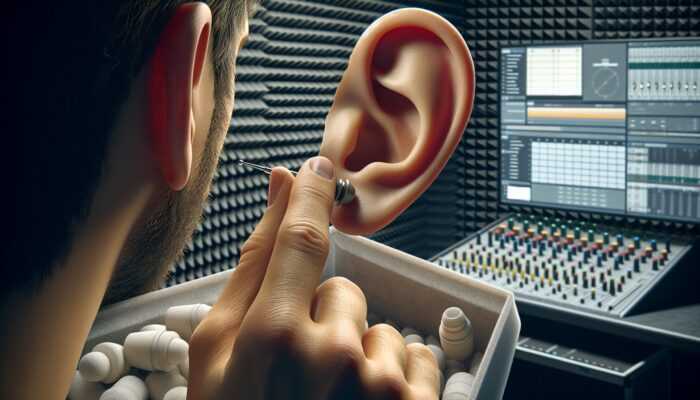
The post Essential Tips for Protecting Your Ears From Loud Noises appeared first on Healthcare Marketing Service.

Categories
Environment & Sustainability Noise Control

Noise Pollution and Its Universal Harm to Hearing

Last Updated on 10/05/2025 by Admin

Comprehensive Insights into Noise Pollution and Its Effects

Defining Noise Pollution and Its Diverse Sources

Noise pollution is a pervasive and harmful phenomenon characterized by excessive levels of sound emanating from a wide array of sources, significantly impacting hearing health around the world. This issue infiltrates our lives in various settings, from the frenetic energy of urban streets to the quieter vibes of suburban neighborhoods. Key contributors to noise pollution include traffic sounds, industrial machinery, construction activities, loud music, and even natural sounds that become distorted due to human interference. This environmental stressor is a global challenge, affecting both developed and developing nations, and it becomes more pronounced as urbanization accelerates. The widespread presence of noise pollution highlights its significance for health professionals, city planners, and the general populace alike.

Research has identified that the leading sources of noise pollution are road traffic, railways, and air traffic. However, the impacts of entertainment venues and leisure activities must not be underestimated. Events like concerts, nightclubs, and sports events generate high noise levels that pose risks for both immediate and long-term hearing issues. As urban areas expand, the challenge of managing noise pollution intensifies. With growing metropolitan populations comes an increased demand for efficient transportation and entertainment options, creating a perfect storm for auditory harm. Therefore, addressing these sources through community education and engagement is vital for cultivating a society that is more aware of noise pollution.

Accurately Measuring Noise Levels for Better Awareness

To comprehend the detrimental effects of noise pollution on hearing, it is essential to measure noise levels accurately. Noise is quantified using the decibel (dB) scale, which indicates sound intensity. Prolonged exposure to sound levels exceeding 85 dB is widely recognized as harmful to hearing health. This threshold is particularly alarming, given that commonplace sources—such as heavy traffic, construction sites, and loud music—frequently surpass this limit in urban settings. For instance, a standard motorcycle can produce 95 dB, while a rock concert can peak at an alarming 120 dB, posing substantial risks for attendees.

Understanding decibel measurements is crucial for raising public awareness and shaping effective policies. These measurements help identify environments where sound levels exceed safe thresholds, enabling targeted interventions. Numerous countries have established guidelines aimed at maintaining acceptable noise levels in public spaces and workplaces. The World Health Organization (WHO) recommends that nighttime noise levels remain below 40 dB to promote healthy sleep, highlighting the global consensus on the importance of managing sound exposure.

Furthermore, technological advancements have allowed for continuous noise monitoring, empowering communities to track their acoustic environments in real-time. Such systems not only help individuals recognize when they are in high-noise areas but also give advocacy groups the tools to push for regulatory changes. By utilizing noise measurement technologies, communities worldwide can champion healthier living conditions and mitigate the adverse effects of sound pollution.

Exploring Common Exposure Scenarios for Noise Pollution

Everyday environments significantly influence how noise pollution impacts hearing health. Traffic is a major source, with urban residents often subjected to the relentless hum of vehicles. Cities like Tokyo, New York, and Mumbai epitomize this challenge, where the ceaseless sounds of car horns, sirens, and construction create a continuous auditory landscape. Individuals commuting in these bustling cities frequently navigate soundscapes that can reach hazardous decibel levels, increasing their risk of hearing impairment.

Workplaces also play a critical role in exposure scenarios. Industries such as manufacturing and construction often involve high-decibel machinery that poses significant auditory stress. Workers in these environments frequently face challenges due to insufficient protective measures against noise. For example, construction sites can operate machinery that exceeds 90 dB, necessitating effective hearing conservation programs to shield employees from permanent hearing loss.

Entertainment venues present another vital exposure scenario. Concerts, festivals, and cinemas are prevalent worldwide, providing enjoyment but also exposing attendees to hazardous sound levels. Research has demonstrated that prolonged exposure to loud music can result in irreversible hearing damage, making education and protective measures crucial for both concertgoers and venue operators. By recognizing these prevalent exposure scenarios, individuals can proactively safeguard their hearing health.

Examining the Health Impacts of Noise Pollution

The health consequences of noise pollution extend well beyond hearing loss; they encompass a wide range of physiological and psychological effects. Chronic exposure to excessive noise can trigger stress responses in the body, activating the fight-or-flight response. This prolonged stress is linked to elevated cortisol levels, leading to chronic health problems such as hypertension, heart disease, and even strokes. The relationship between noise and cardiovascular health is an emerging area of concern, particularly for urban populations, underscoring the need for effective interventions.

Sleep disturbances, another significant consequence of noise pollution, affect a large segment of the global population. Noisy environments can disrupt sleep cycles, contributing to insomnia and diminished sleep quality, which consequently impacts cognitive functions and overall health. Studies conducted in densely populated cities have illustrated a direct correlation between high nighttime noise levels and increased rates of sleep disorders. The long-term effects of sleep deprivation can lead to fatigue, diminished cognitive performance, and a higher susceptibility to mental health disorders.

Moreover, the psychological impact of noise pollution is profound. Chronic exposure to noise is correlated with heightened rates of anxiety and depression, especially among vulnerable groups such as children and the elderly. The constant barrage of sound can create an atmosphere of agitation and irritability, affecting interpersonal relationships and diminishing overall quality of life. Thus, comprehensively understanding the diverse health impacts of noise pollution is crucial for formulating effective public health strategies aimed at alleviating this widespread issue.

Implementing Strategies to Reduce Noise Pollution Effectively

To tackle the pervasive challenge of noise pollution, a multifaceted approach is essential. Innovative urban planning strategies play a pivotal role in minimizing noise exposure. Integrating green spaces and sound barriers into city designs can substantially mitigate noise effects, cultivating more tranquil environments. Cities globally are beginning to recognize the benefits of incorporating parks and natural buffers that absorb sound, thereby enhancing the quality of life for their residents.

Regulatory measures are also fundamental in managing noise levels effectively. Governments can implement and enforce noise abatement regulations that set strict limits on sound emissions from industrial sources, construction activities, and nightlife venues. For example, cities like Copenhagen have successfully employed noise regulations to foster urban soundscapes that prioritize public health, creating more conducive environments for well-being.

Public awareness campaigns are crucial for encouraging community involvement in noise pollution reduction efforts. Educating citizens about the dangers of noise pollution empowers them to advocate for change. Schools, workplaces, and organizations can promote awareness through workshops and informational sessions, emphasizing preventive behaviors such as utilizing ear protection and reducing overall noise levels in personal and public spaces.

Ultimately, effective strategies for noise pollution reduction require collaboration among governments, communities, and individuals. By prioritizing sound management, we can foster healthier and more harmonious living environments worldwide.

Exploring Mechanisms of Hearing Damage Due to Noise

Understanding the Physical Impact of Loud Noises on Ears

The ear’s intricate structures are exceptionally sensitive to sound waves, and exposure to loud noises can result in physical damage. Sound travels through air as vibrations, and when these vibrations exceed safe levels, they can harm the delicate hair cells in the cochlea. These hair cells are crucial for converting sound vibrations into electrical signals that the brain interprets as sound. Extended exposure to loud noises can lead to a condition known as acoustic trauma, resulting in the destruction of these vital cells.

When hair cells sustain damage, the brain’s capability to perceive sound diminishes, resulting in varying degrees of hearing loss. This process may not be immediate; initial exposure can trigger temporary threshold shifts, where hearing temporarily decreases but may recover. However, repeated exposure to high noise levels can culminate in irreversible hearing loss, significantly affecting an individual’s quality of life. For instance, construction workers who regularly operate heavy machinery without adequate hearing protection may experience gradual auditory decline, emphasizing the importance of preventive measures.

Furthermore, the physical impact of noise extends beyond mere hearing loss. It can lead to conditions such as tinnitus, characterized by ringing or buzzing in the ears. Tinnitus can be debilitating, impacting concentration, sleep, and overall mental health. The risk of developing tinnitus increases with the intensity and duration of noise exposure, illustrating the urgent need for awareness and protective strategies.

Recognizing Noise-Induced Hearing Loss (NIHL)

Noise-induced hearing loss (NIHL) is a prevalent global health issue that affects individuals across all age groups and demographics. This condition results from exposure to harmful noise levels, whether suddenly from explosions or gunfire, or gradually through prolonged exposure to loud environments. NIHL is particularly insidious as it often develops unnoticed over time, leading to irreversible auditory damage before individuals recognize their declining hearing abilities.

The prevalence of NIHL is alarming, with the World Health Organization estimating that 1.1 billion young people are at risk due to unsafe listening practices, such as using headphones at high volumes. The impact of modern technology, including personal audio devices and loud entertainment venues, has exacerbated this issue. For instance, attending music festivals or concerts where sound levels exceed 100 dB can result in significant auditory damage, even after just one exposure.

Moreover, the effects of NIHL are not uniform; they may manifest differently depending on age, gender, and genetic predispositions. Younger individuals, particularly adolescents and young adults, may exhibit a greater vulnerability to hearing loss as their auditory systems continue to develop. Conversely, older adults may experience compounded hearing loss due to age-related factors, making them more susceptible to the effects of noise exposure.

Preventing NIHL relies on awareness and proactive measures. Implementing hearing conservation programs in workplaces, mandating the use of protective equipment, and promoting public education about safe listening practices can help mitigate the risks associated with noise exposure. By prioritizing prevention, we can shield future generations from experiencing the devastating consequences of noise-induced hearing loss.

Distinguishing Between Temporary and Permanent Effects of Noise

The effects of noise on hearing can be categorized into temporary and permanent outcomes, each carrying implications for auditory health. Temporary effects often present as a temporary threshold shift, where individuals experience a temporary reduction in hearing sensitivity following exposure to loud sounds. This condition may lead to a muffled sensation in the ears, creating an unsettling experience. Fortunately, these effects often resolve after a period of quiet, with hearing typically returning to baseline levels.

However, the potential for temporary effects to evolve into permanent hearing loss is a critical concern in the context of cumulative noise exposure. Repeated instances of temporary threshold shifts can lead to irreversible damage, particularly when individuals neglect to take appropriate precautions. For example, frequent attendance at loud concerts without ear protection can gradually erode hearing sensitivity, transforming temporary effects into lasting impairment.

Understanding the distinction between temporary and permanent effects is essential for individuals at risk of noise exposure. Education on safe listening practices and acknowledgment of the long-term consequences of repeated exposure to loud sounds can empower individuals to prioritize their hearing health. By recognizing the dangers associated with even brief periods of loud noise, individuals can take proactive measures to protect their auditory well-being.

As communities continue to confront the challenges posed by noise pollution, acknowledging the spectrum of auditory effects is essential for fostering a culture of hearing protection. Implementing strategies to minimize exposure to damaging sounds, alongside public education initiatives, can significantly reduce the prevalence of both temporary and permanent hearing loss globally.

Health Consequences of Noise Pollution Beyond Hearing Loss

The Relationship Between Noise Pollution, Stress, and Cardiovascular Health

The impact of noise pollution on health transcends the auditory system, with substantial implications for stress levels and cardiovascular health. Chronic exposure to elevated noise levels triggers physiological stress responses, activating the body’s sympathetic nervous system. This response results in increased heart rate, elevated blood pressure, and the release of stress hormones such as cortisol. Over time, these persistent stress responses can lead to serious cardiovascular issues, including hypertension, heart disease, and strokes.

Research has established a clear connection between noise exposure and cardiovascular health outcomes. Studies in urban environments indicate that individuals living near busy roadways or industrial areas experience higher rates of cardiovascular diseases compared to those in quieter locales. For example, a comprehensive study in Europe found that long-term exposure to traffic noise was associated with a 25% increase in the risk of heart disease. Such findings underscore the urgent need for targeted interventions to mitigate noise pollution in high-risk areas.

Furthermore, the interplay between noise pollution and stress highlights the pressing need for public health initiatives. Communities must prioritize sound management strategies to foster healthier environments. This may involve urban planning that integrates noise-reducing elements, such as green spaces and sound barriers, along with public policies aimed at regulating industrial and transportation noise. By addressing the root causes of noise pollution, we can mitigate its adverse effects on cardiovascular health and improve overall community well-being.

The Impact of Noise Pollution on Sleep Quality

Sleep disturbances rank among the most insidious consequences of noise pollution, significantly affecting individuals’ overall health and well-being. Exposure to excessive noise during nighttime can disrupt sleep cycles, leading to insomnia, reduced sleep quality, and chronic fatigue. The World Health Organization emphasizes that nighttime noise levels should remain below 40 dB to foster healthy sleep; however, many urban environments fail to meet this benchmark, subjecting residents to persistent auditory disturbances.

The repercussions of noise on sleep extend beyond mere annoyance; they can provoke profound physiological effects. Disrupted sleep patterns can result in a cascade of negative health outcomes, including impaired cognitive function, decreased productivity, and increased susceptibility to chronic diseases. Research has shown that individuals exposed to high noise levels during sleep experience reduced REM sleep, a critical phase for cognitive restoration and emotional regulation.

Furthermore, vulnerable populations such as children and the elderly may be disproportionately affected by sleep disturbances caused by noise pollution. Children require consistent sleep for cognitive and physical development, while seniors often exhibit heightened sensitivity to noise. The cumulative effects of disrupted sleep can exacerbate existing health issues, leading to a vicious cycle of declining health.

Mitigating sleep disturbances necessitates a multifaceted approach. Communities can implement noise abatement strategies, including soundproofing buildings and promoting quiet zones in urban areas. Additionally, public awareness campaigns can educate residents about the importance of maintaining a quiet environment during nighttime hours. By prioritizing sleep health and managing noise pollution, we can enhance the overall quality of life for individuals worldwide.

Exploring the Mental Health Impacts of Noise Pollution

The mental health implications of noise pollution are increasingly recognized as a critical area of concern. Prolonged exposure to elevated noise levels has been linked to increased rates of anxiety, depression, and general psychological distress. The incessant barrage of sound can generate an overwhelming sense of agitation, contributing to heightened stress levels and negative emotional states.

Research indicates that individuals residing in high-noise environments report higher levels of mental health issues compared to those in quieter areas. For instance, a study conducted in urban settings found that residents near busy highways exhibited significantly higher rates of anxiety and depressive symptoms. The psychological toll of noise pollution is particularly pronounced among vulnerable populations, including low-income communities, where access to quiet spaces and mental health resources may be limited.

Addressing the mental health effects of noise pollution requires a comprehensive and community-driven strategy. Initiatives that promote quiet spaces, such as parks and recreational areas, can serve as vital sanctuaries for individuals seeking relief from noise. Furthermore, public health campaigns aimed at increasing awareness of the mental health ramifications of noise can empower individuals to advocate for change within their communities.

Promoting mental well-being in relation to noise pollution is essential for cultivating healthier living environments. By understanding the complex interplay between sound and mental health, communities can collaboratively work to reduce noise exposure and foster resilience among residents.

Cognitive Impairment Linked to Noise Pollution

Prolonged exposure to noise pollution has been shown to impair cognitive function, affecting attention, memory, and overall cognitive performance. The cognitive effects of noise are especially concerning in educational contexts, where students are often subjected to distracting sounds that hinder their learning capabilities. Research consistently indicates that children in noisy environments score lower on cognitive assessments, underscoring the detrimental effects of noise on academic performance.

The mechanisms underlying cognitive impairment related to noise exposure are intricate. Distractions caused by loud sounds can impede concentration, making it challenging for individuals to process information effectively. For instance, a study conducted in urban schools revealed that students exposed to high ambient noise levels exhibited diminished attention spans and lower test scores compared to their peers in quieter environments. This phenomenon emphasizes the necessity for targeted interventions to mitigate noise pollution in educational settings.

Moreover, the implications of cognitive impairment extend beyond childhood; adults exposed to chronic noise may also experience declines in cognitive function. Aging populations, in particular, may undergo accelerated cognitive decline when subjected to prolonged noise exposure. The intersection of noise pollution and cognitive health highlights the urgency of addressing this public health challenge.

Communities can implement strategies to minimize noise exposure in educational and occupational settings, such as soundproofing classrooms and creating quiet zones in workplaces. By prioritizing cognitive health and fostering quieter environments, we can enhance learning outcomes and overall cognitive performance for individuals of all ages.

Identifying Vulnerable Populations Affected by Noise Pollution

The Unique Challenges Faced by Children and Adolescents

Children and adolescents represent some of the most vulnerable populations regarding the effects of noise pollution on hearing health. Their developing auditory systems make them particularly susceptible to noise-induced hearing loss (NIHL), with studies indicating that exposure to loud environments during formative years can result in permanent auditory damage. Schools located near busy roads or construction sites often expose students to hazardous noise levels, necessitating urgent attention and intervention.

The widespread use of personal audio devices also poses a substantial risk to younger individuals. Many children and teens engage in unsafe listening practices, such as using headphones at elevated volumes. The World Health Organization has raised alarms about the increasing number of young people at risk for hearing loss due to these habits, emphasizing the need for education on safe listening practices. Schools and communities can play a pivotal role in promoting awareness and implementing programs that encourage healthy auditory behaviors.

Additionally, the impact of noise pollution on children extends beyond hearing loss. Research indicates that chronic exposure to elevated noise levels can hinder cognitive development, adversely affecting academic performance and emotional well-being. Children exposed to high noise levels are often more vulnerable to anxiety and behavioral issues, highlighting the urgent need to address environmental factors contributing to their distress.

Protecting children from the harmful effects of noise pollution demands a collaborative effort from parents, educators, and policymakers. By advocating for quieter learning environments, promoting safe listening habits, and raising awareness of the risks associated with noise exposure, we can safeguard the auditory health of future generations.

The Elderly and Their Vulnerability to Noise Pollution

Elderly individuals face unique challenges in the context of noise pollution and hearing health. Age-related hearing loss, known as presbycusis, affects a significant portion of the aging population, rendering them more susceptible to the adverse effects of noise exposure. Research indicates that older adults often experience a decline in auditory sensitivity, amplifying the risk of noise-induced hearing loss when exposed to loud environments.

Moreover, cognitive decline associated with aging can be exacerbated by noise pollution. Studies have demonstrated that older adults living in noisy settings are at a higher risk of developing cognitive impairments, including memory loss and decreased attention spans. The cumulative effects of hearing loss and cognitive decline can considerably impact their quality of life, leading to social isolation and reduced engagement in daily activities.

Addressing the needs of elderly individuals concerning noise pollution requires a multifaceted approach. Communities can implement strategies to create quieter living environments, such as soundproofing residential buildings and encouraging the use of hearing aids. Additionally, public health initiatives can cultivate awareness of the importance of protecting hearing health among older adults, urging them to seek regular hearing evaluations and adopt protective measures in noisy settings.

By prioritizing the needs of elderly individuals in discussions surrounding noise pollution, we can foster environments that support their auditory and cognitive health, enhancing their overall quality of life.

Occupational Groups at Risk of Noise-Induced Hearing Loss

Workers in noisy environments, such as those in the construction, manufacturing, and entertainment industries, face heightened risks of noise-induced hearing loss (NIHL). These occupational groups are frequently exposed to sound levels that surpass safe limits, making effective hearing conservation programs essential. For instance, construction workers operating heavy machinery often encounter noise levels ranging from 85 to 120 dB, necessitating protective measures to safeguard their auditory health.

The consequences of occupational noise exposure can be severe and long-lasting. Many workers experience gradual hearing loss over time due to cumulative exposure, leading to irreversible auditory damage that affects both their professional and personal lives. Additionally, the psychological toll of living with hearing loss can be profound, resulting in increased stress and decreased job satisfaction.

Implementing effective hearing conservation programs in high-risk workplaces is crucial for protecting employees. These programs should encompass regular hearing assessments, mandatory use of hearing protection, and education on safe listening practices. Furthermore, employers must cultivate a culture of awareness surrounding noise exposure, encouraging workers to prioritize their auditory health.

By acknowledging the unique challenges faced by occupational groups exposed to noise pollution, we can develop targeted strategies to mitigate risks and promote a healthier workforce. Advocacy for improved regulations and workplace practices is vital for ensuring the long-term hearing health of those in high-risk occupations.

Preventive Measures Against Noise Pollution

Prioritizing the Use of Protective Equipment

One of the most effective strategies to combat noise pollution and its detrimental effects on hearing is the use of protective equipment. Earplugs and earmuffs act as critical barriers against loud sounds, significantly reducing exposure to potentially damaging noise levels. In various environments, from concert venues to construction sites, these devices can greatly diminish the risk of noise-induced hearing loss (NIHL).

Earplugs are particularly beneficial for individuals frequently encountering loud environments, such as musicians or factory workers. These small, portable devices can easily be inserted into the ears to lower sound intensity, allowing users to engage in their activities while protecting their hearing health. Earmuffs, on the other hand, provide a more comprehensive shield against noise, encasing the entire ear to block sound effectively. They are often utilized in industrial settings where noise levels can reach dangerous levels for prolonged periods.

Promoting the use of protective equipment necessitates awareness and education. Employers in high-noise industries must ensure that workers receive the necessary gear and training regarding the importance of hearing conservation. Additionally, music venues and event organizers can implement policies encouraging attendees to wear ear protection, particularly during high-decibel performances.

By prioritizing the use of protective equipment, individuals can take proactive steps to safeguard their hearing health. This simple measure can significantly reduce the risks associated with noise exposure, fostering a culture of awareness and prevention.

Implementing Effective Noise Reduction Strategies

Implementing noise reduction strategies is crucial for minimizing the impact of noise pollution on communities and individuals. One effective approach involves soundproofing high-risk areas, such as schools, hospitals, and residential buildings. Utilizing materials designed to absorb or block sound can significantly decrease noise levels, creating more peaceful environments conducive to health and well-being.

Urban planning plays a pivotal role in noise reduction. Cities can integrate green spaces and noise barriers into their designs, effectively shielding residential areas from the cacophony of traffic and industrial activities. For example, cities like Amsterdam have successfully employed sound barriers along busy highways to protect nearby neighborhoods from excessive noise, enhancing residents’ quality of life.

Public transportation systems can also adopt measures to lessen noise pollution. Implementing quieter technologies in buses and trains, as well as ensuring proper maintenance of vehicles, can contribute to lowering overall sound levels in urban environments. Furthermore, community engagement initiatives that encourage residents to advocate for noise reduction measures can foster a collaborative approach to addressing this pervasive issue.

Ultimately, the implementation of noise reduction strategies requires a collective effort from governments, urban planners, and communities. By prioritizing sound management, we can create healthier and more harmonious living environments worldwide.

Enhancing Public Awareness and Education on Noise Pollution

Raising public awareness about the dangers of noise pollution is a crucial component of effective prevention strategies. Education plays a vital role in empowering individuals to understand the risks associated with excessive noise exposure and take proactive measures to protect their hearing health. Through community outreach programs, schools, and public health initiatives, individuals can be informed about safe listening practices and the importance of noise management.

Educational campaigns can address various facets of noise pollution, including its causes, effects, and preventive measures. Schools can integrate noise awareness into their curricula, teaching students about safe listening habits and the significance of protecting their hearing from an early age. Additionally, community workshops can provide valuable information on noise reduction strategies and the use of protective equipment, fostering a culture of awareness and responsibility.

Moreover, leveraging technology and social media platforms can amplify awareness efforts. Engaging content, such as videos and infographics, can effectively communicate the risks of noise pollution and promote safe practices. By utilizing these modern tools, public health organizations can reach a wider audience and encourage individuals to take action in their communities.

Ultimately, public awareness and education are key to fostering a culture of prevention regarding noise pollution. By prioritizing education, we can empower individuals to make informed choices about their auditory health and advocate for healthier environments.

Exploring Technological Solutions to Combat Noise Pollution

Utilizing Noise-Cancelling Devices for Enhanced Auditory Experiences

Advancements in technology have paved the way for innovative solutions to combat noise pollution, with noise-cancelling devices leading the charge. These devices employ sophisticated algorithms to identify and counteract ambient noise, providing users with a more serene auditory experience. Noise-cancelling headphones, for instance, are increasingly popular among individuals seeking refuge from loud environments, whether on public transport or in bustling offices.

The technology behind noise-cancelling devices involves microphones that detect external sounds and generate sound waves that are phase-inverted to cancel them out. This innovative approach allows users to enjoy their music or podcasts without the intrusion of surrounding noise, significantly reducing the risk of hearing damage associated with high-volume listening. For those working in loud environments, noise-cancelling headphones can also enhance focus by minimizing distractions, improving overall productivity.

Moreover, advancements in noise-cancellation technology continue to evolve. Emerging solutions include noise-cancelling earbuds designed for active lifestyles, offering a blend of comfort and effective noise reduction. These innovations cater to a growing demand for auditory wellness, allowing individuals to engage with their environments while safeguarding their hearing health.

Promoting the use of noise-cancelling devices can significantly enhance public awareness regarding the risks associated with noise pollution. By providing accessible solutions to mitigate the impact of ambient noise, communities can empower individuals to prioritize their hearing protection. As technology advances, integrating these solutions into everyday life can help foster quieter, healthier environments for everyone.

Advancing Quiet Technology for a Healthier Future

The concept of quiet technology encompasses a range of innovations aimed at reducing noise pollution across various industries. From quieter machinery in manufacturing to low-noise vehicles, these advancements significantly contribute to minimizing sound emissions and enhancing quality of life in urban settings. Implementing quieter technologies can have far-reaching implications for public health and environmental sustainability.

For instance, electric vehicles represent a significant stride in reducing transportation noise. Unlike traditional combustion engines, electric cars produce minimal sound, contributing to quieter roadways. As urban areas continue to expand, adopting electric vehicles can play a crucial role in mitigating noise pollution and enhancing air quality, ultimately benefiting public well-being.

Moreover, industries are increasingly prioritizing quiet technology in machinery and equipment design. Manufacturers are developing tools and devices that operate quietly without compromising efficiency. This shift not only promotes a healthier work environment for employees but also reduces the impact of industrial noise on surrounding communities.

Public awareness and support for quiet technology are essential for driving adoption. Policymakers can incentivize the use of quieter technologies through grants and subsidies, encouraging businesses to invest in innovations that prioritize noise reduction. By fostering a culture of quiet technology, communities can work towards creating more harmonious environments that enhance residents’ well-being.

Implementing Monitoring and Alert Systems for Noise Management

Real-time noise monitoring systems are emerging as essential tools for addressing noise pollution and its associated health risks. These systems utilize advanced sensors to continuously measure ambient noise levels, providing valuable data that can inform community strategies to mitigate sound exposure. By identifying areas with excessive noise, municipalities can implement targeted interventions to protect residents’ hearing health.

Monitoring systems can be integrated into public infrastructure, such as schools and community centers, enabling real-time alerts for residents when noise levels exceed safe thresholds. This technology encourages individuals to take proactive measures, such as using ear protection in high-noise environments. Furthermore, data collected from monitoring systems can support public health initiatives by highlighting trends in noise pollution and identifying areas requiring intervention.

Community engagement is crucial for the success of noise monitoring initiatives. Involving residents in the data collection process fosters a sense of ownership and accountability for local soundscapes. By encouraging community members to advocate for noise reduction measures and participate in monitoring efforts, we can create a more informed and proactive society.

Ultimately, the implementation of monitoring and alert systems represents a significant step towards addressing noise pollution and protecting public health. By leveraging technology to promote awareness and facilitate community engagement, we can work towards quieter, healthier environments for all.

Policy and Regulation: The Framework for Noise Pollution Management

Establishing Comprehensive Noise Pollution Standards

Establishing and enforcing noise pollution standards is essential for safeguarding public health and enhancing quality of life. Governments and regulatory agencies must prioritize developing comprehensive noise regulations that set acceptable limits for sound emissions across various environments. These standards should consider factors such as time of day, activity types, and community needs to create a balanced approach to managing noise pollution.

Countries like Sweden and the Netherlands have implemented successful noise regulation frameworks that serve as models for other nations. These frameworks establish clear limits for noise levels in residential areas, transportation hubs, and industrial zones, ensuring that communities can thrive without suffering from the adverse effects of excessive noise. Furthermore, these regulations often incorporate provisions for public reporting and accountability, allowing residents to actively participate in monitoring compliance.

Effective enforcement of noise pollution standards is crucial for ensuring compliance and protecting public health. Regulatory agencies must allocate resources for monitoring noise levels and investigating complaints from residents. When violations occur, appropriate penalties and corrective measures should be implemented to deter future infractions. This proactive approach fosters a culture of accountability and encourages individuals and businesses to prioritize noise reduction.

Ultimately, establishing and enforcing noise pollution standards are vital for creating healthier environments. By prioritizing noise management at the policy level, governments can foster communities that value well-being and auditory health.

Implementing Workplace Regulations for Noise Management

Workplace regulations play a critical role in safeguarding employees from noise-induced hearing loss (NIHL) and other adverse health effects linked to noise pollution. Governments and regulatory agencies must develop and enforce comprehensive occupational health and safety standards that require implementing hearing conservation programs in high-risk industries.

These regulations should mandate employers to conduct regular noise assessments to identify areas of excessive sound exposure and implement effective controls to mitigate risks. Furthermore, employers should be required to provide appropriate hearing protection, such as earplugs and earmuffs, and ensure that employees receive training on their proper use. By fostering a culture of safety and awareness in noisy workplaces, we can significantly reduce the incidence of NIHL among workers.

Moreover, workplace regulations should include provisions for regular health screenings to monitor employees’ hearing health. Early detection of hearing loss can lead to timely interventions, preventing further deterioration of auditory function. Additionally, organizations can promote awareness of the importance of regular hearing evaluations among employees, encouraging proactive measures to protect their hearing.

By prioritizing workplace regulations that address noise pollution, we can create safer and healthier environments for employees. Protecting workers from the dangers of excessive noise is not just a legal obligation; it is a moral imperative that enhances overall well-being and productivity.

Empowering Communities Through Local Initiatives

Community initiatives aimed at reducing noise pollution are essential for fostering healthier living environments. Grassroots efforts can empower residents to advocate for noise reduction measures in their neighborhoods, creating a collective voice for change. By organizing community events, workshops, and awareness campaigns, residents can raise awareness about the impacts of noise pollution and promote strategies for mitigating its effects.

Local governments can support community initiatives by providing resources and funding for noise reduction projects. Initiatives may include creating quieter public spaces, promoting the use of sound barriers, and implementing noise abatement programs for construction and transportation activities. By involving residents in the decision-making process, communities can tailor solutions to their unique needs and priorities.

Additionally, partnerships between local organizations, schools, and businesses can amplify the impact of community initiatives. Collaborations that promote public awareness, such as educational workshops on safe listening practices or community clean-up events focused on noise reduction, can foster a sense of ownership and responsibility among residents.

Ultimately, community initiatives play a vital role in addressing noise pollution at the grassroots level. By empowering individuals to take action, we can create a culture of awareness and advocacy that prioritizes auditory health and well-being.

Ensuring Government Enforcement of Noise Regulations

Effective enforcement of noise regulations by government agencies is critical in ensuring compliance and protecting public health. Regulatory bodies must commit to monitoring noise levels in communities, investigating complaints, and taking appropriate action against violators. By allocating resources for noise monitoring and enforcement, governments can demonstrate their commitment to addressing noise pollution as a public health priority.

Collaboration between government agencies, local organizations, and community members is essential for effective enforcement. Engaging residents in reporting noise violations can create a sense of community accountability and empower individuals to advocate for their auditory health. Moreover, a transparent enforcement process fosters trust between residents and regulatory agencies, encouraging ongoing collaboration in addressing noise pollution.

Governments should also prioritize public education regarding noise regulations, ensuring that communities understand their rights and responsibilities concerning noise management. By equipping residents with the knowledge they need to navigate noise-related issues, governments can enhance community engagement and support efforts to reduce noise pollution.

Ultimately, government enforcement is a crucial component of effective noise pollution management. By taking proactive measures to monitor and address noise violations, governments can foster healthier environments that protect the well-being of residents worldwide.

Frequently Asked Questions about Noise Pollution

What constitutes noise pollution?

Noise pollution refers to harmful levels of sound originating from various sources that can negatively impact hearing health and overall well-being.

What are the common sources of noise pollution?

Common sources include traffic, industrial machinery, construction activities, loud music, and recreational noise, all contributing to harmful sound exposure.

How is noise pollution measured?

Noise is measured in decibels (dB), with prolonged exposure to levels above 85 dB recognized as potentially damaging to hearing.

What are the health impacts associated with noise pollution?

Excessive noise exposure can lead to hearing loss, stress, sleep disturbances, cardiovascular issues, and cognitive decline.

Which populations are most vulnerable to noise pollution?

Children, adolescents, the elderly, and workers in noisy environments are particularly susceptible to the adverse effects of noise pollution.

What preventive measures can be taken against noise pollution?

Using protective equipment, implementing noise reduction strategies, and raising public awareness are effective preventive measures against noise pollution.

How can technology assist in reducing noise pollution?

Noise-cancelling devices, quiet technology, and real-time noise monitoring systems can significantly mitigate the impact of noise pollution.

What role do policies and regulations play in noise pollution management?

Policies and regulations establish noise pollution standards, ensuring compliance and protecting public health by managing sound emissions in various environments.

How can communities collectively address noise pollution?

Community initiatives that promote awareness, advocate for noise reduction measures, and foster collaboration among residents can effectively address noise pollution.

What is noise-induced hearing loss (NIHL)?

NIHL is a type of permanent hearing loss resulting from exposure to harmful noise levels, affecting individuals across all age groups.

Explore our world on X!

The post Noise Pollution and Its Universal Harm to Hearing appeared first on The Microsuction Ear Wax Removal Network.
Categories
Health & Wellness Hearing Protection

Avoid Hearing Aid Scams: Key Tips for Protection

Last Updated on 26/04/2025 by Admin

Identify and Avoid Common Hearing Aid Scams

Understanding Different Types of Hearing Aid Scams

The prevalence of fraudulent schemes surrounding <a href="https://www.earwaxremoval.net/hearing-aids-and-machine-learning-improving-sound-quality/" target="_blank" rel="noopener">hearing aids</a> has surged, taking advantage of the vulnerabilities of individuals seeking assistance for their audiological health. One notable type of scam involves counterfeit products that imitate legitimate hearing aids but fail to provide any real benefit. These deceptive schemes frequently feature eye-catching advertisements that promise cutting-edge technology at unrealistically low prices. The temptation of high-tech features can mislead consumers, leading to wasted money on ineffective devices that do not meet their needs or expectations.

Another widespread scam involves the misleading marketing of hearing aid services. Fraudsters may advertise “free trials” or “risk-free” purchasing options, which often ensnare customers in a trap filled with hidden fees and obligations. A growing tactic includes online platforms that appear credible at first glance, but are mere facades designed to extract personal information and financial data, putting consumers at risk of identity theft and financial loss.

Hearing aids can dramatically transform lives, but only when acquired from trustworthy sources. Recognizing these scams is the first crucial step toward protecting both your auditory health and your financial well-being, ensuring that you invest wisely in devices that genuinely enhance your hearing experience.

Key Warning Signs of Hearing Aid Scams

Staying informed is your best defense against scams. Unsolicited offers can be a significant red flag; if you receive promotions via email, phone calls, or social media from a company with which you have never interacted, exercise extreme caution. Scammers often employ pressure tactics, insisting you must act quickly to secure a deal. Reputable sellers will provide you with the time needed to consider your purchase, while scammers create a false sense of urgency to rush your decisions.

Moreover, deals that appear too good to be true should prompt immediate skepticism. If a hearing aid claims to deliver premium features at a fraction of the standard price, it is likely a scam. Always investigate how prices compare with industry standards, conducting thorough research on what similar devices typically cost to avoid falling prey to fraudulent offers.

By remaining vigilant and aware of these warning signs, you can significantly reduce your chances of becoming a victim of fraudulent schemes, ensuring that your investments in hearing aids truly meet your legitimate hearing needs.

Understanding the Tactics Used by Scammers

Scammers utilize a variety of sophisticated tactics to trap unsuspecting individuals. Phishing emails, frequently disguised as communications from legitimate companies, can trick consumers into clicking on harmful links or revealing personal information. These emails often create a false sense of urgency, prompting immediate responses that can lead to devastating consequences.

Another common tactic involves the creation of fake websites that closely resemble those of reputable brands. These sites typically feature testimonials and reviews that seem authentic but are, in reality, fabricated to establish trust. Scammers may also deploy targeted ads on social media platforms, focusing on specific demographics to increase their chances of engaging potential victims.

Additionally, in-person sales pitches remain prevalent, especially in areas where individuals may be less informed about the latest hearing aid technology. Sales representatives can be highly persuasive, promoting products that lack scientific validation or regulatory approval. Understanding these methods can empower you to recognize when something seems amiss, enabling you to steer clear of potential scams and protect your interests.

Proactive Strategies for Protecting Yourself from Scams

Person using multiple screens to research hearing aid sellers, focusing on reviews and secure payment methods.

Taking proactive measures and conducting diligent research are essential for safeguarding yourself against hearing aid scams. Begin by verifying the credentials of sellers through comprehensive reviews and consumer reports. Focus on testimonials from verified purchasers, particularly on platforms that allow users to share their experiences openly and candidly.

Utilizing secure payment methods is another vital strategy in your defense against fraud. Opt for credit cards or reputable online payment services that offer robust buyer protection. Avoid payment methods such as wire transfers, which often provide limited recourse should the transaction turn problematic.

Reporting any suspicious activities to the relevant authorities can help others avoid similar pitfalls. Always remain vigilant and share your experiences; knowledge and awareness are key components in preventing scams within the hearing aid market, thereby fostering a safer environment for all consumers.

Assess Seller Credibility Thoroughly

Conducting Comprehensive Research on Hearing Aid Sellers

Conducting thorough research on any hearing aid seller is vital to significantly reducing your risk of falling victim to scams. The digital age provides consumers with unprecedented access to information, allowing for extensive comparison and analysis. Start by checking online reviews and ratings across multiple platforms, such as Trustpilot and the Better Business Bureau.

Pay careful attention to the overall sentiment expressed in the reviews; a pattern of negative feedback should raise immediate concerns. Scams often accumulate numerous complaints, indicating a history of deceitful practices. It is crucial not to rely on a single source; instead, corroborate your findings across various platforms to obtain a comprehensive view of the seller’s credibility and reputation in the market.

Additionally, explore discussions in community forums or social media groups focused on hearing health. Real users frequently share their experiences and insights, providing a wealth of knowledge that can guide potential buyers in their decision-making process. Conducting this research is a pivotal step in ensuring you engage with legitimate sellers, thereby protecting your investment and well-being.

Verifying Certifications and Affiliations

Certificates from ASHA and IHS displayed in an office, symbolizing credibility and ethics.

Confirming that a seller possesses the appropriate certifications is paramount in establishing their credibility. Look for affiliations with reputable hearing health organizations, such as the American Speech-Language-Hearing Association or the International Hearing Society. Certified sellers not only adhere to industry standards but also commit to ethical business practices in their operations, enhancing consumer trust.

A legitimate seller should readily provide you with details regarding their certifications and affiliations. If they hesitate or offer vague answers, this could indicate a lack of transparency and potential dishonesty, raising further questions about their legitimacy.

In addition to their certifications, check if the seller has received any awards or recognitions from respected industry bodies. Such accolades often underscore a commitment to quality and customer satisfaction, providing further assurance that you are dealing with a credible source that values its customers.

Establishing Direct Communication with Sellers

Engaging with the seller directly can facilitate trust and provide clarity regarding their operations and offerings. Reach out through the contact options available on their website—whether it’s a phone number or email. A legitimate business should respond promptly and professionally to your inquiries, demonstrating their commitment to customer service and satisfaction.

Prepare specific questions about their products, warranties, and any service commitments they may offer. If the seller is evasive or fails to provide clear answers to your inquiries, consider this a warning sign. Trustworthy sellers should be open and willing to share comprehensive information about their hearing aids, including user guides and demonstration options, ensuring that you have all the information needed to make an informed decision.

Establishing direct communication not only verifies credibility but also allows you to assess the quality of the seller’s customer service. A responsive and helpful seller can significantly enhance your overall experience, ensuring you have a reliable support system for all your hearing needs.

Evaluate the Authenticity of Hearing Aid Products

Thoroughly Checking Product Details

Ensuring the authenticity of hearing aids is critical when making a purchase, as counterfeit products can lead to severe issues for users. Start by examining crucial product details such as model numbers, features, and warranty information. Each model should have specific identifiers that you can cross-reference with the manufacturer’s official website to confirm its legitimacy.

Look for supporting documentation, including manuals or certification papers accompanying the product. Authentic hearing aids typically come with legitimate warranties that provide some assurance of quality and performance. Be skeptical of products that lack proper documentation or appear poorly constructed, as these are often indicators of counterfeit items.

Additionally, familiarize yourself with the standard features of legitimate hearing aids. Many users become victims of scams due to a lack of knowledge about what a quality device should offer. Researching the features will not only help you identify authenticity but will also ensure you select a device that meets your specific hearing needs and preferences.

Cross-Referencing with Official Sources

Cross-referencing product information against official manufacturer websites or authorized dealers is a powerful tool in detecting counterfeit products. Official sources typically provide comprehensive details about their offerings, including specifications, pricing, and listings of authorized retailers.

When you encounter a hearing aid that seems appealing, resist the temptation to make an impulsive decision. Instead, verify whether the product is listed on the manufacturer’s website. If you cannot find it or if the prices differ significantly, this discrepancy may indicate a scam or counterfeit product.

Furthermore, engaging with the manufacturer’s customer service can help clarify any uncertainties you may have. They can provide valuable information about authorized sellers, ensuring that you make a purchase from a reputable source. Taking this simple yet effective step can save you time, money, and hassle in the long run, providing peace of mind in your buying decision.

Strategies for Avoiding Counterfeit Hearing Aid Products

The market is inundated with products that appear genuine but are, in fact, counterfeit. To avoid falling victim to these scams, it is essential to remain vigilant with your purchases. Suspiciously low prices should immediately raise skepticism; if a deal seems too good to be true, it likely is.

Only purchase hearing aids through verified and authorized channels—whether that involves visiting an authorized retailer or directly accessing the manufacturer’s website. Counterfeit products are often sold through unauthorized online platforms or dubious storefronts where buyer protection is minimal or nonexistent.

Always ask for proof of authenticity when making a purchase. Legitimate sellers should be more than willing to provide documentation that confirms their products are genuine and meet industry standards. The stakes are high regarding your hearing health; do not compromise on quality merely to save a few dollars. Prioritizing authenticity is crucial for ensuring effective auditory support.

Grasping Pricing and Promotional Offers

Analyzing Price Points in the Hearing Aid Market

Understanding pricing in the hearing aid market can equip consumers with the knowledge needed to identify reasonable costs and avoid scams. Begin by researching the average price of various hearing aid models. This information is typically available on manufacturer websites or reliable consumer health resources that provide insights into the market landscape.

Once you have established a baseline price, start comparing costs across multiple vendors. If a seller offers a price substantially lower than the average, proceed with caution. Scammers often lure customers in with unrealistic pricing, so it’s essential to scrutinize any discrepancies and question the reasons behind such low offers.

Your price analysis should also consider the features and quality of the product. A higher price does not always equate to better quality, but abnormally low prices usually indicate something amiss. If you find yourself in doubt, do not hesitate to ask for clarifications or seek guidance from an audiologist, who can provide expert insights into fair pricing for hearing aids.

Evaluating Promotional Offers with Caution

Promotional offers can be enticing, yet they often conceal hidden risks. When assessing these promotions, be wary of aggressive sales tactics that pressure you into making quick decisions. Legitimate sellers will allow you ample time to consider any offers, while scammers frequently create an artificial sense of urgency to compel hasty decisions.

Always read the fine print associated with promotional offers. Look for details regarding terms, conditions, and any obligations tied to the offer. If a deal sounds too generous without clear stipulations, it is likely a scam designed to extract more money from you later through hidden fees or unexpected costs.

Careful evaluation of promotional offers can save you from incurring significant financial losses. Ensure that any promotional claims are substantiated with clear evidence and that they align with your research into standard pricing and product offerings in the market.

Identifying Deals That Seem Too Good to Be True

In the realm of hearing aids, deals promising substantial discounts or free trials often come with strings attached. These offers may lack transparency regarding costs or product quality, making them risky propositions for consumers.

Always scrutinize the terms and conditions associated with these deals. Scammers frequently employ enticing offers to lure unsuspecting consumers, only to impose additional fees once the consumer is committed to the purchase. If essential details about the offer are not readily available or clearly stated, it serves as a warning sign of potential fraud.

Be cautious of promotions that require personal information upfront. Legitimate companies will not demand sensitive data for simple promotional offers. Stay informed and prioritize your safety over potential savings, as the consequences of falling for scams can be dire and far-reaching.

Assessing Value for Money in Hearing Aids

Evaluating whether a hearing aid provides good value for money extends beyond merely comparing prices. Consider the product’s features, quality, and how well they align with your specific hearing needs. A comprehensive assessment of your requirements can help you recognize the importance of investing in quality over quantity when it comes to hearing aids.

Compare the product with similar options available in the market. If you notice a specific brand consistently receives praise for its durability and effectiveness, it may justify a premium price. Conversely, if a cheaper alternative has a history of complaints and limited functionality, it may not be worth the initial savings, potentially leading to greater expenses down the line.

Ultimately, the best hearing aid is one that not only fits within your budget but also enhances your quality of life. Investing in a reliable, effective product can make a significant difference, ensuring you receive the auditory support you need while avoiding unnecessary pitfalls associated with subpar devices.

Utilize Secure Payment Methods for Transactions

Selecting Trusted Payment Options for Purchases

Opting for secure payment methods can significantly shield you from fraud when purchasing hearing aids. Choosing payment options that offer buyer protection—such as credit cards or reputable online payment platforms—provides an additional layer of security in your transactions.

Credit cards typically offer chargeback protections, enabling you to dispute unauthorized transactions. This means that if something goes awry with your purchase, you can take appropriate steps to recover your funds, granting you peace of mind during your buying journey.

Additionally, reputable online payment services, such as PayPal, provide buyer protection and monitoring features that can alert you to suspicious activity. Always prioritize your payment choices to minimize potential losses and enhance your overall purchasing experience while ensuring your financial security.

Avoiding Risky Payment Methods

Utilizing risky payment methods can leave you vulnerable to scams, making it crucial to steer clear of alternatives like wire transfers or cryptocurrencies. These options generally offer limited recourse if something goes wrong, and scammers often prefer these methods due to the anonymity they provide.

Wire transfers, once completed, cannot be reversed, meaning that once you send money to a fraudulent seller, it becomes nearly impossible to recover your funds. Cryptocurrencies operate similarly, often leaving consumers with little to no protection if they fall victim to scams or fraud.

To ensure a safe transaction, stick to payment methods that offer definitive protections and robust support systems. Your financial security should be a top priority, especially in a landscape rife with potential scams and fraudulent activities targeting vulnerable consumers.

Monitoring Your Transactions Regularly

Maintaining vigilance in monitoring your transactions is vital for detecting unauthorized charges swiftly. Regularly reviewing your payment statements allows you to catch any dubious activity early on, enabling you to take prompt action if necessary.

Consider setting up alerts for your transactions, which can provide immediate notifications regarding purchases made with your account. This proactive approach helps you identify any unauthorized activities quickly, allowing for timely responses before issues escalate.

Taking the time to monitor your transactions not only safeguards your finances but also fosters a habit of awareness regarding your spending and online activity. Remaining proactive in your financial management is crucial for protecting yourself against potential scams in the hearing aid market and beyond.

Implementing Two-Factor Authentication for Enhanced Security

Two-factor authentication (2FA) significantly enhances your account’s security by adding an extra layer of verification. By requiring a second form of identification—such as a text message code or an authentication app—2FA makes it significantly more challenging for scammers to gain unauthorized access to your accounts and sensitive information.

Enabling this feature across your payment accounts is a straightforward yet effective strategy for bolstering your security. Many platforms now integrate 2FA as a standard feature, providing you with the tools necessary to protect your sensitive information from potential threats and breaches.

Investing the time to set up 2FA not only safeguards your financial data but also reinforces your overall cybersecurity, ensuring that only you can access your accounts. This additional layer of defense is crucial in today’s digital landscape, where threats are constantly evolving, and protecting your personal information is paramount.

Regularly Updating Your Payment Information

Keeping your payment information secure is an ongoing commitment that requires diligence. Regularly updating your card details and passwords can significantly minimize the risk of fraud. Change your passwords every few months and ensure they are complex, combining uppercase letters, lowercase letters, numbers, and symbols for enhanced security.

When updating your payment information, apply the same rigor you would when creating your password. Ensure that any site where you update your information is secure and reputable, providing peace of mind during your online transactions.

Establishing these habits not only protects you from fraud but also fosters a culture of security in your online interactions. Take the initiative to safeguard your financial information, remaining proactive in your approach to secure your personal data and purchasing activities.

Protecting Your Personal Information Online

Strategies for Safeguarding Your Data

In an era where personal information can be easily exploited, safeguarding your data is of utmost importance. Only share personal details with verified and trusted sources, particularly when making purchases. If a seller requests information that seems unnecessary for the transaction, it should serve as a potential red flag, warranting further investigation.

Utilize encrypted websites for all transactions, ensuring that your data is protected during transmission. Look for “https://” in the web address, as this indicates a secure connection, providing a layer of protection against data breaches and unauthorized access.

Being cautious about sharing your personal information not only protects you but also sets a precedent for how you engage with online vendors. Prioritizing your privacy and security mitigates risks associated with scams and fraudulent activities in the hearing aid market and beyond.

Identifying Phishing Attempts Effectively

Phishing attempts have become increasingly sophisticated, making it essential to learn how to identify these fraudulent emails or calls that attempt to trick you into revealing personal or financial information. Common signs of phishing include poor grammar, generic greetings, and unexpected attachments or links that seem suspicious.

If you receive unsolicited communication, do not respond, click on links, or download attachments. Instead, verify the sender by contacting the company directly through official channels. This simple yet effective action can save you from inadvertently exposing your sensitive information to scams and fraud.

Staying informed about evolving phishing tactics is crucial in today’s digital landscape. Equip yourself with knowledge to recognize and respond effectively to these attempts, thereby protecting your personal information from unscrupulous actors looking to exploit vulnerabilities.

Utilizing Privacy Settings Wisely

Adjusting privacy settings on your devices and online accounts is a proactive measure to limit exposure to your personal information. Familiarize yourself with the privacy options available on social media platforms and various online services, ensuring that you maintain control over who can access your data.

Enable settings that restrict location sharing and limit how much of your personal information is publicly visible. This can significantly reduce the chances of your data being exploited by scammers who may seek to target individuals based on publicly available information.

Regularly reviewing and updating your privacy settings fosters a protective environment for your online interactions. Empower yourself to take charge of your data security, actively safeguarding your personal information from potential threats and vulnerabilities.

Seeking Professional Advice in the Hearing Aid Market

Consulting Licensed Audiologists for Expert Guidance

Seeking professional advice is essential when navigating the complex hearing aid market. Licensed audiologists can provide invaluable insights, recommending reputable sellers and products that meet your specific hearing needs. They possess the expertise to evaluate your hearing requirements and guide you toward devices that offer optimal performance and benefits tailored to your lifestyle.

Scheduling an appointment to discuss your options is highly beneficial; audiologists often remain informed about the latest advancements in hearing technology. They can offer valuable tips on what features to look for in a hearing aid, empowering you in your purchasing decisions and ensuring you make informed choices.

Consulting an audiologist not only enhances your understanding of hearing aids but also connects you with trusted resources that prioritize your health and well-being. This professional guidance can be pivotal in avoiding scams and ensuring that you invest in a product that genuinely supports your auditory health and lifestyle needs.

Valuing Second Opinions for Informed Decisions

In the realm of hearing aids, seeking multiple professional opinions is crucial for ensuring you make well-informed decisions. Engaging with different audiologists can provide valuable perspectives on suitable devices and their effectiveness, helping you navigate the options available in the market.

Additionally, second opinions can help confirm or challenge initial assessments, ensuring you consider all angles before making a purchase. Comparing suggestions on brands, features, and pricing enables you to weigh the pros and cons of each recommendation, leading to a more informed choice.

By valuing multiple perspectives, you enhance your understanding of your options and reduce the likelihood of falling prey to scams or misleading offers. Being well-informed is your strongest asset in making sound decisions about hearing aids that genuinely meet your needs.

Visiting Specialized Hearing Clinics for Personalized Advice

Scheduling appointments at specialized hearing clinics can provide tailored advice suited to your specific hearing needs. These clinics often employ trained professionals who can conduct comprehensive assessments, recommend products that align with your lifestyle, and educate you about the latest technologies available.

During your visit, take full advantage of the opportunity to ask questions about various hearing aid models, features, and potential scams that may exist in the market. Many clinics offer fittings, allowing you to test devices before making a purchase, ensuring comfort and suitability.

Engaging with experts in hearing clinics not only guarantees you receive well-informed recommendations but also creates a supportive environment as you navigate your auditory health journey. This personalized approach fosters confidence in your purchasing decisions and enhances your overall experience.

Participating in Support Groups for Shared Knowledge

Joining local or online support groups can offer invaluable insights and recommendations from individuals facing similar hearing challenges. These communities often share personal experiences with different hearing aids and sellers, providing a wealth of knowledge that can guide your purchasing decisions.

Support groups serve as platforms for discussion, allowing members to exchange tips on avoiding scams and identifying trustworthy brands. Engaging in these conversations fosters a sense of belonging and community, making the journey of dealing with hearing loss less daunting and more manageable.

Connecting with others who understand your experiences can empower you to make informed choices regarding hearing aids. The shared wisdom within these groups serves as a powerful resource in navigating the complexities of the hearing aid market, ensuring that you are well-equipped to make sound decisions.

Frequently Asked Questions About Hearing Aids and Scams

What are the most common hearing aid scams?

Common scams include counterfeit products, misleading promotions, and online phishing schemes. Scammers often employ aggressive sales tactics or overly attractive offers that seem too good to be true, luring individuals into traps that compromise their financial security.

How can I verify a hearing aid seller’s credibility?

Research the seller’s online reviews, check for certifications from reputable organizations, and contact them directly to ask specific questions about their products and services. This thorough investigation can help confirm their legitimacy and trustworthiness.

What should I look for to confirm product authenticity?

Examine product details like model numbers, warranty information, and compare specifications with official manufacturer sources to verify the product’s authenticity. Ensuring that all necessary documentation accompanies the product is also crucial.

What payment methods are safest for purchasing hearing aids?

Using credit cards or reputable online payment services offers buyer protection, making them safer options for transactions. Avoid risky methods like wire transfers or cryptocurrencies that leave you vulnerable to potential fraud.

How can I protect my personal information when purchasing online?

Share personal information only with trusted and verified sellers, and ensure that payments are made through secure, encrypted websites to safeguard your data during transactions.

What is two-factor authentication, and why should I use it?

Two-factor authentication adds an extra layer of security by requiring a second form of verification. It helps protect your accounts from unauthorized access, enhancing your overall cybersecurity.

How can I avoid falling victim to phishing scams?

Recognize red flags like poor grammar or unsolicited offers, and always verify the identity of the sender before clicking on links or providing personal information to avoid falling prey to these schemes.

Why should I consult an audiologist before buying a hearing aid?

Audiologists can provide expert advice tailored to your specific needs, recommending reputable products and helping you avoid scams in the hearing aid market, ensuring you make informed choices.

What should I do if I suspect I have been scammed?

Report the incident to relevant authorities, such as consumer protection agencies, and monitor your financial accounts for unauthorized transactions to mitigate risks associated with fraudulent activities.

How can support groups help me in my hearing aid journey?

Support groups allow you to connect with others who share your experiences, offering insights and recommendations for navigating the hearing aid market effectively while providing emotional support.

Explore our world at X!

The post Avoid Hearing Aid Scams: Key Tips for Protection appeared first on The Microsuction Ear Wax Removal Network.